
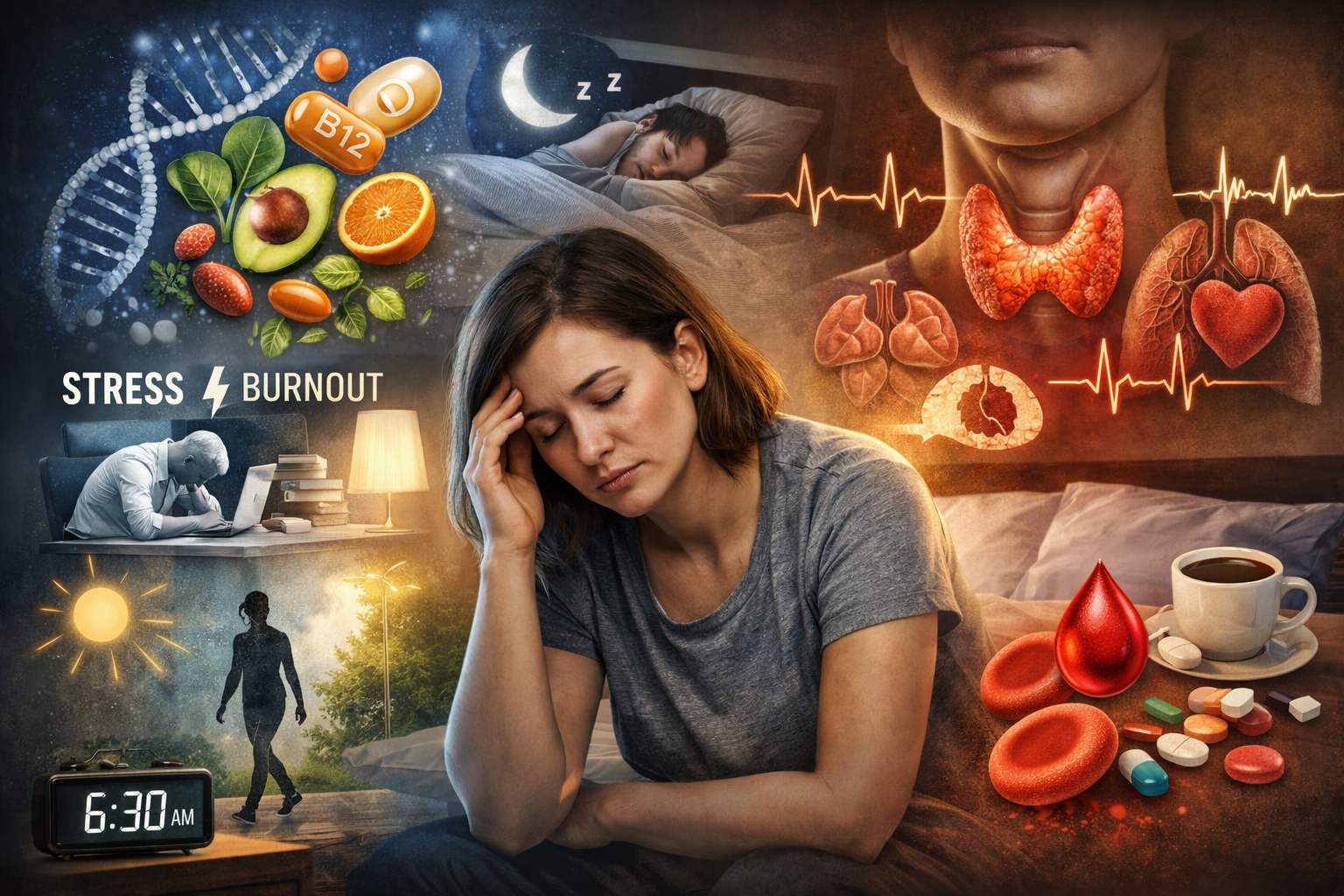
Introduction:
At first glance, you drag yourself out of bed each morning, yet tired, exhaustion clings to you like a heavy coat. Even so, coffee barely perks you up, and by midday, you crave a nap. When constant tiredness disrupts your life, it is not random—rather, your body is sending urgent messages.
In fact, chronic fatigue affects millions worldwide, steadily zapping energy and hindering daily tasks. It can stem from a wide range of sources, ranging from simple lifestyle oversights to more serious health issues. Therefore, in this article, we explore what your body communicates through persistent tiredness and how you can respond effectively.
To begin with, it is essential to understand that fatigue differs from normal sleepiness. Unlike ordinary tiredness, it persists despite rest and significantly impacts focus, mood, and productivity. With this distinction in mind, let us now dive into the most common culprits.
Sleep Deprivation: The Obvious Yet Overlooked Culprit
First and foremost, your body demands quality sleep to recharge. When you consistently skimp on shut-eye, fatigue builds relentlessly over time. Although adults typically need seven to nine hours nightly, many still fall short due to busy schedules or constant distractions.
For example, scrolling through social media late at night disrupts your natural sleep cycle. Specifically, blue light from screens suppresses melatonin, the hormone responsible for signaling bedtime. As a result, you wake up feeling groggy, unfocused, and irritable.
Moreover, irregular sleep patterns further confuse your internal clock. Shift workers, in particular, often battle this imbalance, leading to chronic exhaustion. Consequently, addressing this issue begins with establishing a consistent bedtime routine. In addition, dimming lights an hour before bed and avoiding caffeine in the evening can make a notable difference.
Nutritional Deficiencies: Fueling Your Body Properly
Beyond sleep, nutrition plays a critical role in sustaining energy. Quite simply, you are what you eat, and poor nutrition starves your cells of vital fuel. For instance, iron deficiency—especially common in women—can cause anemia, a condition where red blood cells fail to carry sufficient oxygen. Naturally, this leaves you feeling weak and persistently tired.
In addition to iron, low levels of vitamin B12 or vitamin D can quietly sap your stamina. Vegetarians may struggle with B12 deficiency, while office workers often lack adequate sunlight for vitamin D synthesis. Consequently, symptoms such as dizziness, muscle fatigue, and mental fog may emerge.
To counteract this, it is wise to incorporate iron-rich foods like spinach and lean meats into your meals. Furthermore, supplements may help, but only after consulting a doctor. Overall, a balanced diet rich in fruits, vegetables, and whole grains can gradually restore your vitality.
However, nutrition is not only about food—hydration also matters. Dehydration often sneaks up unnoticed, yet even mild fluid loss can impair brain function and energy levels. Therefore, aim for at least eight glasses of water daily, and more if you exercise or live in a hot climate.
Stress and Burnout: The Mental Energy Drain
Equally important, mental strain can be just as exhausting as physical effort. Stress activates your fight-or-flight response, flooding your system with cortisol. While helpful in short bursts, chronic stress slowly exhausts your adrenal system. Consequently, you may feel constantly wired yet deeply tired, unable to truly relax.
Furthermore, burnout often creeps in as a result of prolonged overwork or emotional strain. Over time, it manifests as cynicism, detachment, and profound fatigue. Unsurprisingly, professionals in high-pressure environments experience this more frequently.
Therefore, taking deliberate breaks becomes essential. Practices such as mindfulness, yoga, or deep breathing can help lower stress levels. Additionally, speaking with a trusted friend or therapist often provides emotional relief. Ultimately, your body is urging you to slow down—before strain turns into collapse.
Sedentary Lifestyle: Move to Energize
On the surface, rest may seem like the solution to fatigue; however, inactivity often worsens it. Your body thrives on movement, yet modern desk jobs keep many people seated for hours. Over time, inactivity slows circulation and weakens muscles, breeding even more fatigue.
Ironically, the less you move, the more tired you feel. By contrast, regular exercise boosts endorphins and improves sleep quality. For example, a brisk daily walk can significantly combat sluggishness. If you are out of shape, start small—aiming for 30 minutes most days is enough to begin.
Additionally, posture plays a subtle but important role. Slouching compresses your lungs and reduces oxygen flow, quietly draining energy. Therefore, sitting upright and incorporating regular stretches can help keep your body alert and engaged.
Thyroid Issues: The Hidden Hormonal Imbalance
Sometimes, fatigue originates from hormonal imbalances rather than habits. The thyroid gland regulates metabolism, and when it malfunctions, tiredness often follows. In cases of hypothyroidism, bodily processes slow down, leaving you perpetually exhausted. Commonly, weight gain and sensitivity to cold accompany this condition.
Notably, women over 50 face a higher risk, although thyroid disorders can affect anyone. Autoimmune conditions such as Hashimoto’s disease frequently trigger this imbalance.
Fortunately, doctors can diagnose thyroid issues through blood tests. Treatment typically involves hormone replacement, which gradually restores energy. Therefore, if tiredness persists alongside other symptoms, medical evaluation is crucial.
Conversely, hyperthyroidism accelerates metabolism, leading to jittery fatigue and restlessness. In either case, professional care is essential.
Sleep Disorders: Beyond Just Insomnia
Even when sleep duration seems adequate, quality may still be lacking. For instance, you might sleep eight hours yet wake up unrefreshed due to sleep disorders such as sleep apnea. This condition interrupts breathing throughout the night, fragmenting rest. As a result, loud snoring and daytime drowsiness often appear.
Similarly, restless leg syndrome repeatedly jolts you awake, while narcolepsy causes sudden sleep attacks during the day.
Therefore, if such symptoms arise, a sleep study may be necessary. Treatments like CPAP machines effectively manage sleep apnea, while lifestyle changes—such as weight loss—can further enhance results.
Anemia and Blood-Related Issues
Closely related to nutrition, blood health also influences energy levels. When red blood cell counts drop, tissues receive less oxygen, resulting in fatigue. Heavy menstrual periods or poor dietary intake commonly cause iron-deficiency anemia, particularly in vegetarians and athletes.
In addition to fatigue, symptoms may include pale skin, weakness, and shortness of breath. Blood tests provide a definitive diagnosis.
To improve iron levels, fortified cereals or supplements can help. Moreover, pairing iron-rich foods with vitamin C—such as spinach with oranges—enhances absorption.
Nevertheless, not all anemias are iron-related. Some arise from vitamin deficiencies or chronic diseases, making it essential to address the root cause for lasting relief.
Infections and Chronic Illnesses
At times, fatigue signals that your immune system is hard at work. When fighting infections, your body diverts energy toward recovery, leaving you tired. While colds or flu cause temporary exhaustion, chronic infections like Lyme disease can prolong fatigue for months.
Furthermore, conditions such as chronic fatigue syndrome (CFS) remain poorly understood. This disorder involves severe, unexplained exhaustion lasting six months or more.
Autoimmune diseases, including lupus, also drain energy reserves and often bring fever or joint pain alongside fatigue.
Accordingly, medical consultation is essential for proper testing and management. While rest and medication help control symptoms, early diagnosis improves outcomes.
Heart and Lung Problems: Vital Organs Under Strain
In some cases, fatigue reflects strain on vital organs. Heart conditions, such as congestive heart failure, make it harder to pump blood efficiently, resulting in constant tiredness. Often, shortness of breath accompanies this symptom.
Likewise, lung diseases such as COPD restrict oxygen intake, causing you to tire quickly even with minimal effort.
Importantly, smoking worsens both heart and lung problems. Quitting, therefore, can dramatically improve energy and overall health.
Regular medical check-ups help catch these issues early, while appropriate exercise strengthens cardiovascular and respiratory systems.
Mental Health Connections: Depression and Anxiety
Just as physical illness drains energy, mental health conditions do the same. Depression often saps motivation and vitality, leading you to sleep too much or too little—yet still feel exhausted.
Meanwhile, anxiety keeps the mind in a constant state of alertness, preventing truly restorative rest.
Fortunately, therapy and medication can provide relief. In addition, regular exercise releases mood-enhancing chemicals that improve both mental clarity and energy.
Above all, emotional fatigue should never be ignored—it is a meaningful signal of deeper psychological needs.
By WHO:
Medications and Substances: Side Effects to Watch
Sometimes, fatigue stems not from illness but from treatment. Certain medications—such as antihistamines, blood pressure drugs, or antidepressants—list drowsiness as a common side effect.
Additionally, excessive caffeine creates a cycle of temporary stimulation followed by energy crashes. Alcohol, too, disrupts sleep architecture, reducing sleep quality.
Therefore, reviewing medications with your doctor is wise. Adjusting dosages or switching prescriptions may restore balance.
Limiting stimulants supports steadier, more sustainable energy levels.
Obesity and Weight Issues: The Extra Burden
Over time, excess weight places additional strain on the body, making even simple tasks exhausting. It also increases the risk of sleep apnea and joint pain, both of which worsen fatigue.
Encouragingly, losing weight often leads to noticeable energy improvements. Combined diet and exercise efforts create a positive cycle of increased stamina.
To begin, small, consistent changes—such as walking more each day—can yield meaningful results.
Postural Orthostatic Tachycardia Syndrome (POTS): A Lesser-Known Cause
Although less common, POTS is another possible explanation for chronic fatigue. This condition causes a rapid heart rate upon standing, leading to dizziness and exhaustion. It most often affects young women.
Notably, dehydration exacerbates symptoms. Therefore, increasing salt and fluid intake can help stabilize circulation.
Specialists diagnose POTS using tilt-table tests. In many cases, compression stockings and lifestyle adjustments significantly reduce symptoms.
When to Seek Professional Help
Despite lifestyle changes, some fatigue persists and should not be ignored. If tiredness continues for weeks—especially when accompanied by weight loss, pain, or fever—it is time to seek medical advice.
Keeping a symptom journal can be particularly helpful. By documenting patterns, you assist doctors in making accurate diagnoses.
Blood tests often rule out deficiencies or underlying diseases, providing clarity and direction.
Above all, avoid self-diagnosis. Professional guidance remains the safest and most effective path.
Practical Tips to Combat Constant Tiredness
In practice, small habits make a large difference. Begin by prioritizing sleep hygiene and maintaining a cool, dark bedroom environment.
Next, eat balanced meals at regular intervals. Replacing sugary snacks with protein and fiber ensures sustained energy.
Additionally, engage in moderate exercise. When done consistently, it invigorates rather than overwhelms.
Managing stress through hobbies, meditation, or relaxation techniques further supports recovery.
Finally, stay hydrated and limit alcohol consumption. Introduce these habits gradually for lasting change.
Conclusion: Empower Yourself with Knowledge
Ultimately, your body whispers warnings through fatigue—listening closely is an act of self-respect. By addressing lifestyle factors first and seeking medical advice when necessary, you reclaim control over your well-being.
Through understanding these signals, you empower yourself to restore energy and purpose. Life is meant to be lived vibrantly, not endured wearily.
In the end, remember that small, deliberate steps lead to meaningful improvements. The journey toward vitality can begin today.
Frequently Asked Questions (FAQ)
Why am I always tired even after sleeping?
Even after sufficient sleep, persistent tiredness may result from poor sleep quality, stress, nutritional deficiencies, sleep disorders, or underlying medical conditions such as thyroid imbalance or anemia.
Can stress alone cause constant fatigue?
Yes. Chronic stress keeps the body in a prolonged state of alertness, depleting mental and physical energy reserves and disrupting sleep, which leads to ongoing fatigue.
What vitamins help fight fatigue?
Iron, vitamin B12, and vitamin D are commonly linked to energy production. Deficiencies in these nutrients often contribute to chronic tiredness.
When should I see a doctor for fatigue?
If fatigue lasts longer than two to three weeks, worsens over time, or appears alongside symptoms like weight loss, pain, fever, or breathlessness, medical evaluation is essential.
Can lifestyle changes really improve energy levels?
Absolutely. Consistent sleep routines, balanced nutrition, regular physical activity, stress management, and hydration often produce significant improvements over time.
For more such topics visit: