

There is a quiet, persistent truth that has lingered in the shadows for far too long: women’s health has never been merely a smaller subset of general health. This is a vast, intricate universe shaped by biology, molded by society, and too often misunderstood by systems that fail to place women at the center.
For decades, the global health conversation has worn a unisex mask. Research studies, diagnostic standards, treatment protocols, and even public health messaging have frequently treated the male body as the default blueprint. Women were expected to fit into that mold silently, compliantly, invisibly. The result has been a troubling mosaic of misdiagnosis, delayed care, underfunded research, and overlooked suffering.
It is time, urgently and unapologetically to bring women’s health into the full glare of recognition.
This is not about creating division. It is about acknowledging reality. Women live longer on average, yet experience more years of poor health. They carry unique biological rhythms, navigate layered social pressures, and shoulder disproportionate caregiving burdens. To view women’s health through a generic lens is not neutral, it is negligent.
As Maya Angelou once wrote:
“Do the best you can until you know better. Then when you know better, do better.”
Today, we know better. Now, systems must do better.
The Historical Blind Spot: How Women’s Health Was Side-lined
To understand why women’s health demands its own lens, we must confront an uncomfortable legacy. For much of modern medical history, women were systematically excluded from clinical research. Concerns about hormonal variability, pregnancy risks, and perceived “complexity” led researchers to default to male participants. What followed was not harmless oversight, it was structural myopia.
Drug dosages were calibrated on male physiology. Symptoms of heart disease were defined around male presentation. Pain reports from women were more likely to be dismissed as emotional exaggeration. Even today, studies show women’s symptoms especially pain are more frequently minimized in clinical settings.
Institutions like the World Health Organization have repeatedly acknowledged that gender-blind health systems create measurable harm. Yet the ripple effects of decades of exclusion still reverberate.
The consequence is stark: women are not simply underserved; they are often misunderstood at the most fundamental biological level.
Biology Is Not Destiny; But It Matters Deeply
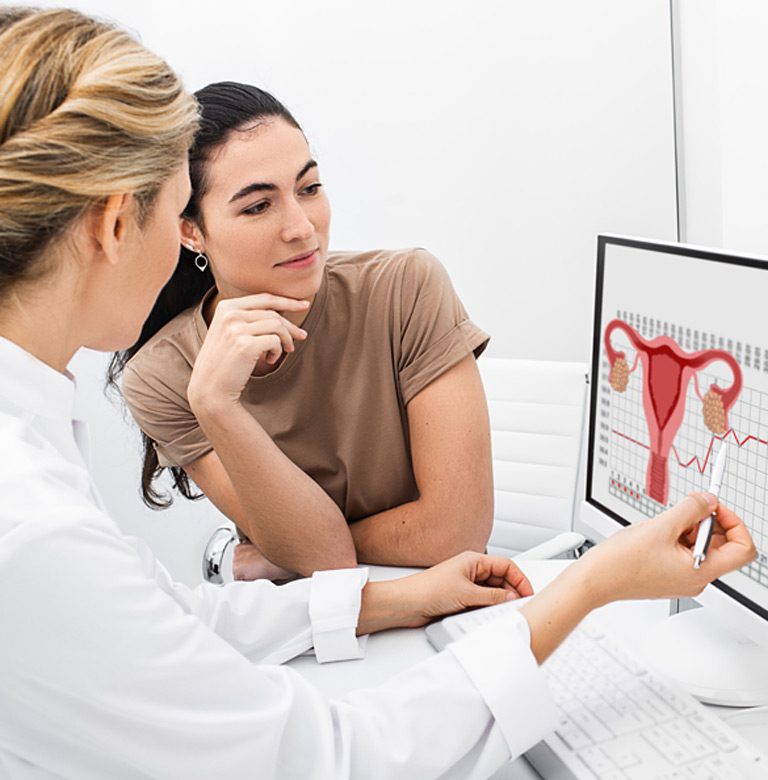
Let us be unequivocal; recognizing biological differences is not about reinforcing stereotypes. It is about precision, safety, and dignity in care. Women’s bodies are governed by complex hormonal symphonies that influence everything from immune response to drug metabolism. Estrogen and progesterone fluctuations affect cardiovascular risk, mental health patterns, bone density, and even how medications are absorbed and processed.
Consider cardiovascular disease is the leading cause of death among women globally. For years, it was branded a “man’s disease.” Yet women often experience different warning signs: fatigue, nausea, jaw pain, breathlessness. Because diagnostic frameworks were built around male symptoms, countless women were misdiagnosed or treated too late.
Similarly, autoimmune disorders disproportionately affect women. Conditions such as lupus, rheumatoid arthritis, and multiple sclerosis appear with higher prevalence in female bodies, likely influenced by hormonal and genetic factors. Yet research funding in these areas still lags behind their societal impact.
The female body is not a deviation from the norm. It is a distinct physiological reality that demands tailored research, nuanced diagnostics, and gender-responsive treatment pathways.
Ignoring these differences is not equality; it is erasure.
The Social Architecture of Women’s Health
Biology tells only half the story. The other half is constructed by society through their expectations, inequities, and invisible labor that quietly shapes women’s health outcomes across the life course.
Across cultures, women are more likely to prioritize family health over their own. Preventive screenings are postponed. Symptoms are endured rather than voiced. Care is delayed until conditions become acute.
Economic disparities compound the problem. Women, particularly in low- and middle-income settings, often face restricted access to healthcare due to financial dependence, mobility constraints, or cultural gatekeeping. The UN Women has consistently highlighted how gender inequality translates directly into poorer health outcomes.
Then there is the crushing weight of unpaid care work. Women perform the majority of global caregiving labor like childcare, elder care, household management, etc., often alongside formal employment. This chronic overload breeds exhaustion, stress disorders, sleep deprivation, and long-term metabolic strain.
Mental health, too, carries a gendered burden. Adolescent girls report higher rates of anxiety and depression. Postpartum depression remains underdiagnosed. Midlife women navigating perimenopause frequently find their symptoms trivialized or misattributed.
Health does not exist in a vacuum. It is sculpted by the social scaffolding in which women live.
When Medicine Misses the Mark: The Cost of a One-Size-Fits-All System
The human cost of gender-blind healthcare is both profound and preventable.
Women experiencing heart attacks are more likely to be sent home from emergency departments compared to men with similar symptoms. Chronic pain conditions in women such as endometriosis or fibromyalgia often take years to receive a formal diagnosis. Adverse drug reactions occur more frequently in women, partly because clinical trials historically underrepresented them. These are not isolated mishaps. They are systemic fissures.
Even medical education has been slow to evolve. Many textbooks still present male physiology as the default framework, with women’s health confined narrowly to reproductive functions. This reductive lens fragments care and overlooks the interconnected nature of women’s health across the lifespan.
The truth is both simple and unsettling: when systems are not designed with women in mind, women pay the price in delayed diagnoses, prolonged suffering, and avoidable complications.
Beyond Reproductive Health
For too long, women’s health has been synonymized with reproductive health. While maternal care, menstrual health, and fertility are undeniably vital, they represent only one chapter in a much larger story.

Women’s health spans the entire life journey adolescence, reproductive years, perimenopause, menopause, and healthy aging. Each stage carries distinct physiological shifts and psychosocial pressures.
Adolescent girls face rising concerns around body image, nutrition, anemia, and mental wellbeing. Young adult women often juggle career-building with reproductive decisions under intense societal scrutiny. Midlife women encounter the under-discussed turbulence of perimenopause like sleep disturbances, mood fluctuations, metabolic changes. Older women confront osteoporosis, cardiovascular risk, and cognitive health challenges.
A narrow reproductive lens obscures these realities. A life-course approach illuminates them. To truly bring women’s health into the light, the narrative must expand boldly and unapologetically.
The Data Gap: When Women Are Under-Researched
Another critical fault line lies in the persistent gender data gap.
Despite progress, Women’s especially those from marginalized communities remain underrepresented in clinical trials and health datasets. Intersectional factors such as caste, class, geography, disability, and ethnicity further complicate the picture.
Without robust gender-disaggregated data, policymakers are forced to operate in partial darkness. Health programs may appear effective on paper while quietly failing women on the ground.
Encouragingly, global initiatives are beginning to address this. The National Institutes of Health has strengthened requirements for sex as a biological variable in research. Yet implementation remains uneven worldwide.
Data is not merely technical, it is political. What we measure signals what we value. And historically, women’s health has not been measured with sufficient seriousness.
Cultural Silence and the Burden of Stigma
In many communities, conversations about women’s bodies are still wrapped in euphemism and discomfort. Menstruation is whispered about. Menopause is endured quietly. Sexual health concerns are cloaked in shame. This culture of silence delays care-seeking and perpetuates misinformation.
Young girls grow up without accurate knowledge of their own bodies. Women normalize debilitating period pain. Midlife women suffer through menopausal symptoms believing they must simply “adjust.” The emotional toll of this normalization is immense.
Breaking this silence is not merely educational, it is liberating. When women are given language, validation, and safe spaces to speak, health outcomes improve. Awareness is not a soft intervention; it is a powerful public health tool.
A New Paradigm: Designing Health Systems That See Women Clearly

The path forward is neither mysterious nor unattainable. What is required is intentional redesign.
Health systems must embed gender-responsive care at every level from research funding and clinical training to community outreach and digital health innovation. Medical curricula must integrate sex-specific symptom recognition. Pharmaceutical trials must ensure equitable female representation. Primary care must screen proactively for conditions that disproportionately affect women.
Equally important is listening. Deep and sustained listening to women’s lived experiences.
Technology offers promising avenues. Telehealth platforms can expand access for women facing mobility or social barriers. Wearable health devices are beginning to track menstrual cycles, sleep patterns, and hormonal trends with increasing sophistication. Community health workers, especially in rural regions, can bridge trust gaps that formal systems often struggle to cross.
But tools alone are insufficient without mindset transformation. Women’s health must move from the margins to the mainstream of public health priorities.
The Power of Policy: Why Structural Change Matters
Individual awareness, while vital, cannot substitute for structural reform. Policy remains the most potent lever for large-scale change. Gender-responsive budgeting, workplace health protections, maternal mental health coverage, menopause-inclusive employment policies are not fringe demands. They are foundational to equitable health systems.
Countries that have invested in women-centered health policies consistently see broader societal dividends: healthier families, stronger economies, more resilient communities. Yet policy gaps persist. Implementation often lags behind rhetoric. Accountability mechanisms remain weak in many regions.
This is precisely why the next conversation in this series becomes critical.
Lighting the Path Forward
We stand at a pivotal inflection point. The evidence is clear. The voices are rising. The urgency is undeniable.
Bringing women’s health into the light requires more than awareness campaigns or symbolic gestures. It demands epistemic humility from medical institutions, political will from policymakers, sustained investment in research, and cultural courage to dismantle long-held taboos.
Most importantly, it requires centering women not as passive recipients of care, but as informed agents of their own health journeys. The future of public health will not be gender-neutral. It will be gender-intelligent. And that is not a concession; it is progress.
The Next Conversation
This article opens the doorway, but the deeper structural questions await. In the next piece of this series is Intersection of Gender & Health Policy: Why Women Still Fall Through the Cracks, we will examine how policy frameworks, funding priorities, and governance gaps continue to shape women’s health outcomes across the globe. Because understanding the problem is only the first step. Transforming the system is the real work. Stay with this journey. The light is only beginning to spread.
For readers who wish to explore the evidence and deepen their understanding:
- World Health Organization. Gender and Health.
https://www.who.int/health-topics/gender - UN Women. Women and Health.
https://www.unwomen.org/en/what-we-do/health - The Lancet Commission on Women and Health.
https://www.thelancet.com/commissions/women-and-health