
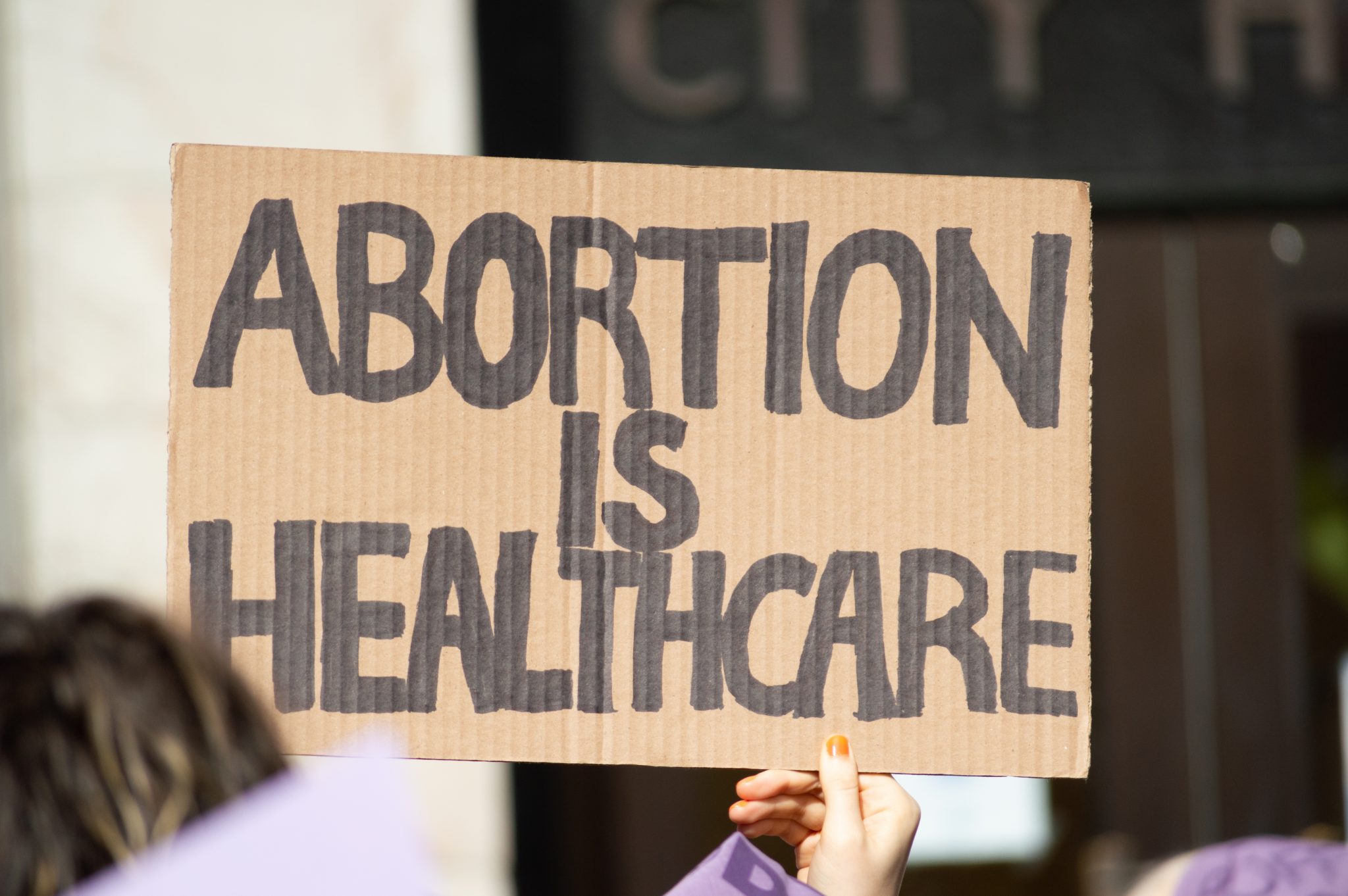
Across continents and cultures, one truth remains piercingly clear: the ability to decide if and when to have children shapes the entire trajectory of a woman’s life. Yet in today’s rapidly shifting political, social, and healthcare landscape, systems still distribute that power unevenly.
Despite decades of advocacy and medical advancement, millions of women and girls continue to face formidable barriers when trying to access something as fundamental as contraception. The consequences ripple outward affecting education, economic independence, mental health, maternal outcomes, and generational wellbeing.
In our previous article, Understanding Fertility: Facts vs Myths in Today’s World, we emphasized that knowledge of fertility expands women’s agency. However, knowledge without access is incomplete. Awareness without availability is fragile.
This is why the conversation around access to contraceptives and reproductive rights is not merely medical, it is profoundly social, political, and deeply human.
We are living in a moment where progress and pushback are unfolding simultaneously. Some regions are expanding reproductive healthcare. Others are tightening restrictions. In the midst of this volatility, women are still navigating systems that often make autonomy unnecessarily difficult.
The question before us is urgent and uncompromising: Who truly holds the power to decide?
Contraception as Freedom: More Than a Medical Tool
People often discuss contraceptives in clinical language such as methods, effectiveness rates, and hormonal mechanisms. While medically accurate, this framing can obscure the deeper reality.
Access to contraception is not simply about preventing pregnancy. It is about timing education, protecting health, planning families, preserving economic stability, and safeguarding bodily autonomy.
For adolescent girls, access to contraception can determine whether they continue their education or face early school dropout. Among young professionals, reliable family planning enables uninterrupted career growth and greater economic stability. Within marriage, appropriate contraceptive use supports healthy spacing between pregnancies an essential safeguard for maternal health.
Global health authorities consistently emphasize that family planning is one of the most cost-effective public health interventions. The World Health Organization (WHO) notes that voluntary access to contraception reduces maternal mortality, improves newborn outcomes, and strengthens community health systems.
Yet despite this overwhelming evidence, access remains inequitable.
Freedom, in this context, is not theoretical. It is practical, tangible, and time-sensitive.
The Invisible Barriers: Why Access Is Still Unequal
On paper, many countries have policies supporting contraceptive access. In reality, women often encounter a labyrinth of obstacles that quietly undermine these rights.
Economic barriers continue to create some of the most persistent challenges. In low-resource settings and even across many urban environments health systems and markets often price contraceptives beyond women’s reach, stock them inconsistently, or place them far from the communities that need them most. For many rural women, rising transportation costs alone quickly become prohibitive.
Cultural stigma further deepens this complexity. In many communities, social attitudes and gatekeeping practices subject unmarried girls who seek contraception to moral scrutiny or even outright denial of services. At the same time, families, institutions, and public discourse often shroud conversations about sexual and reproductive health in discomfort, leaving many young women uninformed and unsupported.
Healthcare system gaps also play a role. Provider bias, limited counseling time, stock shortages, and inadequate youth-friendly services can all restrict meaningful access.
Legal and policy fluctuations further complicate the landscape. When reproductive health policies shift rapidly, women often experience confusion about what services are available, legal, or safe.
These barriers rarely operate in isolation. They intersect by creating a cumulative burden that disproportionately affects the most vulnerable.
The Knowledge Gap: When Education Falls Short
In many parts of the world, reproductive health education remains incomplete, inconsistent, or heavily censored. As we explored earlier in this series, particularly in Stronger Futures Start with Better Reproductive Health Education, silence around reproductive health does not protect young people. It leaves them unprepared.
Many adolescent girls enter adulthood without understanding how contraception works, what options exist, or where to access confidential care. Myths flourish in the absence of credible information. Fear replaces informed decision-making.
Comprehensive sexuality education has repeatedly been shown to delay early pregnancy, increase contraceptive use, and improve health outcomes. Yet implementation remains uneven due to political sensitivities and cultural resistance.
Closing the knowledge gap is not about encouraging early sexual activity. It is about ensuring that whenever young people do make decisions, those decisions are informed rather than accidental.
Information is prevention. Education is protection.
Youth at the Margins: The Unique Struggles of Adolescent Girls
Adolescent girls often face the steepest hurdles in accessing contraception. Age restrictions, consent requirements, provider judgment, and fear of parental discovery can deter many from seeking care.
For teenagers already navigating the emotional turbulence discussed in Teen Minds Under Pressure, these barriers can feel overwhelming. The result is often delayed care, misinformation, or reliance on unreliable sources.
Youth-friendly health services are confidential, nonjudgmental, and accessible and are essential. Clinics that train providers in adolescent-sensitive communication consistently report higher engagement and better outcomes.
Digital health platforms are also emerging as powerful tools. Telehealth consultations, anonymous helplines, and verified educational apps are helping bridge access gaps, particularly in regions where in-person services remain stigmatized.
However, digital solutions must complement not replace strong physical healthcare systems.
Young girls deserve systems that meet them where they are, not where policies assume they should be.
Abortion Rights and Contraception: Two Sides of the Same Coin
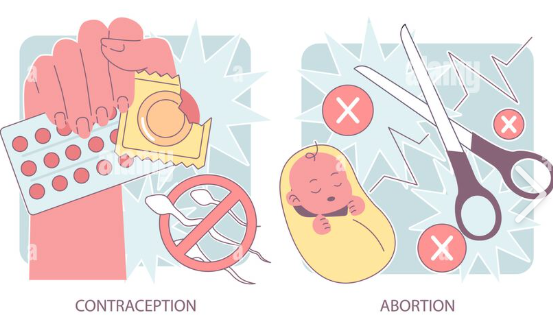
While contraception aims to prevent unintended pregnancy, abortion services remain a critical component of comprehensive reproductive healthcare. Where contraceptive access is limited, abortion demand often rises frequently in unsafe conditions.
Global data consistently shows that restricting abortion does not eliminate it. Instead, it increases the likelihood of unsafe procedures, which significantly contribute to maternal morbidity and mortality.
This is why public health experts increasingly frame contraception and abortion not as opposing conversations but as interconnected components of reproductive autonomy.
When women have reliable contraceptive access, unintended pregnancies decrease. When safe abortion services are available, maternal deaths from unsafe procedures decline dramatically.
The common thread is informed choice supported by accessible healthcare.
Policy, Power, and the Path Forward
Sustainable progress requires more than awareness campaigns. It demands systemic change.
Governments must prioritize consistent contraceptive supply chains, affordable pricing structures, and youth-friendly service delivery. Healthcare training programs must address provider bias and strengthen reproductive counseling skills.
Insurance coverage and public health schemes should include a full range of contraceptive options without excessive gatekeeping. Community engagement programs must work alongside cultural leaders to reduce stigma.
Importantly, women and girls themselves must be included in policy conversations. Too often, reproductive health policies are designed without meaningful input from those most affected.
True progress occurs when policy shifts from being about women to being shaped with women.
From Awareness to Action: What Communities Can Do Now
While policy reform unfolds, communities are not powerless.
Parents can create open, judgment-free conversations at home. Schools can integrate medically accurate reproductive education. Healthcare providers can adopt compassionate, patient-centered counseling approaches.
Media and advocacy platforms including organizations like She Breaks Barrier play a transformative role in normalizing these conversations. Visibility dismantles stigma. Language shapes perception. Every informed conversation moves the needle forward.
The Power That Must Not Be Negotiated Away
The ability to decide whether and when to have children is not a peripheral privilege. It is foundational to education, economic mobility, health equity, and gender justice.
When women control their reproductive timelines, societies become healthier, more prosperous, and more equitable.
The conversation is not finished. In many places, it is only just beginning. But one truth must remain non-negotiable: The power to decide belongs, first and foremost, to women themselves.
As this series continues, our next article will explore the broader landscape of Reproductive Health & Family Planning: Building Informed Choices Across the Life Journey. Because access to contraception is one pillar but the larger vision is comprehensive reproductive empowerment across adolescence, adulthood, and beyond. The future we must build is one where no woman’s life path is determined by lack of information, lack of access, or lack of autonomy.
- World Health Organization – Family Planning/Contraception
https://www.who.int/news-room/fact-sheets/detail/family-planning-contraception - UNFPA – Contraceptive Access and Rights https://www.unfpa.org
- UNICEF – Adolescent Sexual and Reproductive Health https://www.unicef.org
- Centers for Disease Control and Prevention – Contraception Overview https://www.cdc.gov/reproductivehealth