
Introduction: Reclaiming the Joy of Sound Sleep
At midlife, many women encounter a quiet intruder that slips in after dusk—disturbed sleep. Night after night, hot flashes jolt the body awake, sheets grow damp with sweat, and thoughts wander restlessly through the dark. Consequently, true rest feels elusive. And yet, despite these disruptions, every woman deserves sleep that restores rather than depletes.
Fortunately, nature, in its enduring wisdom, offers gentle and time-honored tools to counter this unrest. In this article, therefore, we explore natural remedies thoughtfully aligned with menopausal needs. Along the way, you will uncover herbs, nourishing foods, and restorative habits that calm both body and spirit.
More importantly, these approaches return a sense of agency. Instead of surrendering to sleeplessness, you begin to reclaim control. Gradually, drifting off becomes easier, and mornings arrive lighter. With this promise in mind, let us explore the science—and simplicity—behind truly restorative nights.
The Hidden Toll of Menopause on Sleep
To begin with, menopause profoundly reshapes the hormonal landscape. As estrogen levels decline, hot flashes and night sweats emerge, repeatedly interrupting natural sleep cycles. Consequently, rest becomes fragmented, shallow, and unsatisfying.
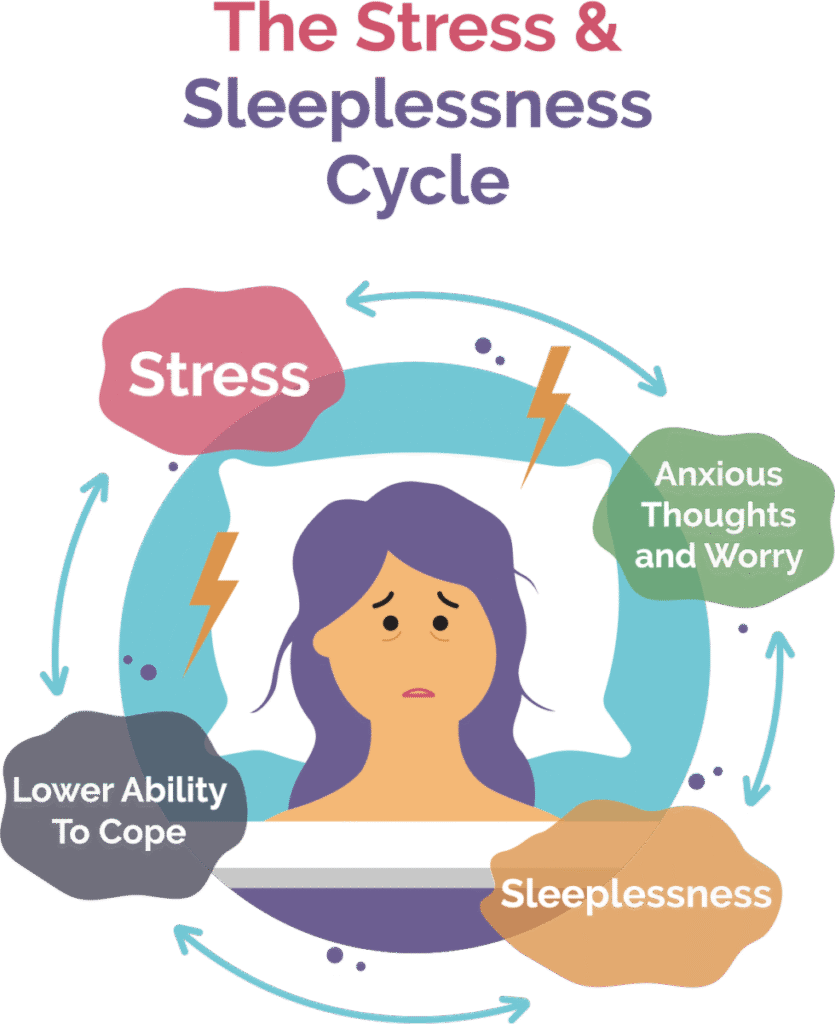
At the same time, emotional shifts complicate matters further. Mood fluctuations and heightened anxiety often accompany this phase, while cortisol—the stress hormone—rises unpredictably, keeping the mind alert when it longs for quiet. Unsurprisingly, studies reveal that nearly 60% of menopausal women experience insomnia on a weekly basis.
However, knowledge itself becomes a form of empowerment. Rather than signaling failure, these symptoms reflect a body seeking recalibration. When addressed at the root, balance can be restored naturally, without force or haste.
Moreover, the consequences of poor sleep ripple outward. Fatigue dulls focus, irritability strains relationships, and vitality slowly erodes. Still, with deliberate and well-chosen remedies, this cycle can be interrupted—often sooner than expected.
In essence, menopausal sleep struggles arise from imbalance. Through gentle, consistent interventions, harmony returns—one peaceful night at a time.
Herbal Heroes: Plants That Lull You to Sleep
Turning first to nature’s pharmacy, we find a rich lineage of herbs long trusted for their calming effects. Chamomile, perhaps the most familiar, stands as a quiet guardian of rest. When brewed into a warm evening tea, it gently loosens tension and prepares the nervous system for sleep.
Specifically, chamomile enhances GABA activity, a neurotransmitter responsible for calming racing thoughts. As a result, many women report fewer nighttime awakenings with regular use. Additionally, its delicate floral notes create a comforting ritual rather than a sedative dependence.
Moving forward, valerian root offers deeper support. Known for its grounding properties, valerian acts as a natural sleep aid, encouraging longer and more restorative sleep stages. Notably, research also links it to reduced hot flash intensity, indirectly protecting sleep continuity.
Complementing valerian beautifully, lemon balm introduces a bright yet soothing balance. This gentle herb alleviates anxiety-driven wakefulness, making it particularly effective when blended with valerian for synergistic relief.
Meanwhile, ashwagandha deserves special attention. As an adaptogen, it helps the body respond more gracefully to stress. Over time, cortisol levels decline, allowing the nervous system to soften into deeper rest—even amid hormonal fluctuation.
Equally significant, black cohosh addresses temperature instability directly. Used traditionally for generations, this root continues to earn modern respect for its ability to ease night sweats and restore thermal balance.
In addition, red clover offers plant-based phytoestrogens that gently mimic estrogen’s calming influence. Consumed as tea, it often improves mood while reducing sleep-disrupting sweats. As always, professional guidance ensures appropriate dosing.
Finally, hops—often paired with valerian—add a subtle sedative quality reminiscent of old-world remedies. When incorporated into evening rituals, these herbs signal the body that rest is near. Gradual integration remains key, allowing sleep to improve naturally and sustainably.
Nutritional Nudges: Foods and Supplements for Slumber
Beyond herbs, nutrition plays a quiet yet decisive role. For instance, tart cherry juice has gained attention for its natural melatonin precursors. Consumed about an hour before bed, it supports the body’s own sleep rhythms.
Indeed, research suggests tart cherries may extend sleep duration significantly. At the same time, their anti-inflammatory properties help counter menopausal discomfort. Diluted with water, they offer both benefit and refreshment.
Similarly, magnesium-rich foods form a cornerstone of sleep nutrition. Leafy greens, almonds, and pumpkin seeds relax muscles and soothe nerves. When incorporated regularly, they ease nighttime restlessness.
When food alone falls short, magnesium bisglycinate supplements provide targeted relief. Taken with the evening meal, they help prevent leg cramps and promote smoother transitions into sleep.
Furthermore, omega-3 fatty acids—from flaxseeds or walnuts—support emotional stability. By nourishing brain health, they quiet the anxious loops that often surface at night.
Equally important is what to avoid. Caffeine consumed after midday lingers longer than expected, undermining rest. Replacing it with calming herbal infusions preserves hydration without stimulation.
Additionally, probiotic-rich foods such as kefir support gut health, which in turn influences serotonin production. Paired with whole grains, they prevent nighttime blood sugar dips that disrupt sleep.
Lastly, hydration requires balance. While adequate fluids are essential, tapering intake in the evening reduces nighttime awakenings. Together, these nutritional shifts establish a firm foundation for restorative sleep.
Crafting a Sleep Sanctuary: Environmental Tweaks
Equally essential is the environment in which rest unfolds. To begin, dimming lights an hour before bedtime signals the brain to release melatonin. Blackout curtains further reinforce darkness, shielding the senses from external disruption.
At the same time, temperature matters greatly. A cool room—ideally between 60–67°F—reduces hot flash severity. Breathable bedding and moisture-wicking fabrics enhance comfort throughout the night.
Moreover, lavender aromatherapy introduces calm through scent. Whether diffused or lightly applied, its effects on anxiety reduction are well documented.
Just as importantly, screen exposure must be curtailed. Blue light delays circadian rhythms, whereas reading a physical book gently prepares the mind for sleep.
Layering in white noise masks sudden disturbances, while decluttering the bedroom fosters psychological ease. Consistent bedtimes further stabilize hormonal rhythms, reinforcing sleep reliability.
Ultimately, these changes transform the bedroom into more than a space—it becomes a sanctuary of renewal.
Conclusion: Embrace Nights That Nourish Your Soul
In conclusion, menopause may challenge sleep, but it need not steal it. Through herbs, nourishment, movement, and mindful rituals, rest can be reclaimed with dignity and grace. Each small adjustment honors the body’s wisdom while restoring balance.
Moreover, these practices enrich waking life—fueling clarity, connection, and confidence. With patience and persistence, progress unfolds naturally.
So tonight, dim the lights, steep the tea, and welcome rest without resistance. Sleep well—your strength has earned its sanctuary.
For routine guide in menopause :
https://shebreaksbarriers.org/wp-admin/post.php?post=110&action=edit