
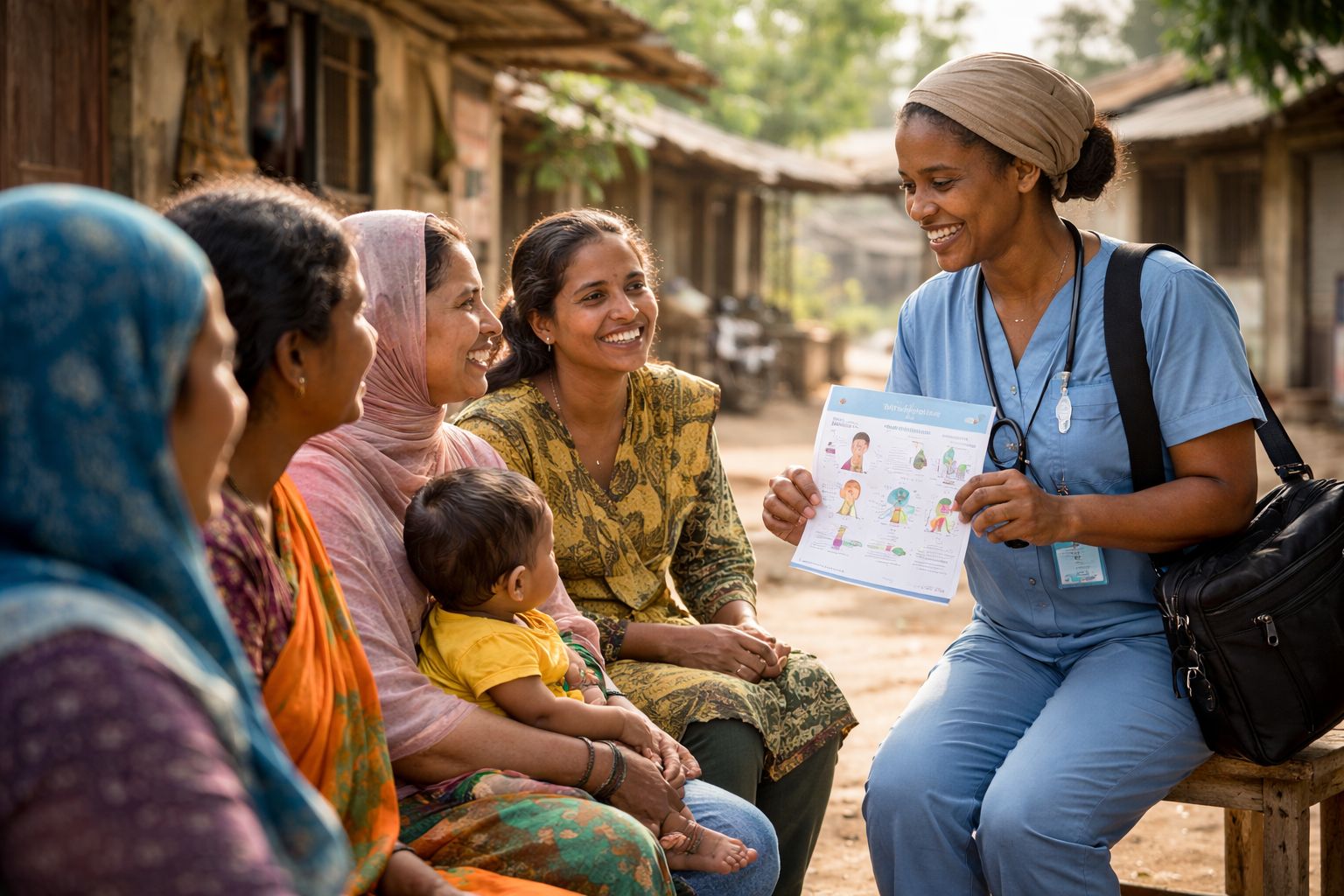
Health is not simply a biological equation, it is a reflection of society’s values, priorities, and structures. For women, this reality is magnified. While biology sets the stage, social determinants are the conditions in which women are born, grow, work, and age often dictate who thrives and who struggles.
In the first article of this series, Time to Bring Women’s Health Into the Light, we illuminated the biological and social differences that demand a gender-specific lens. In the second article, Powering Better Care for Women: Intersection of Gender and Health, we explored how policies often fail women when gender is not intentionally embedded. Today, we turn our gaze to the subtle, yet profoundly consequential, forces outside the clinic. social determinants that shape women’s health outcomes throughout their lives.
As Audre Lorde once fiercely proclaimed:
“Caring for myself is not self-indulgence, it is self-preservation, and that is an act of political warfare.”
For women, self-preservation is both personal and political because society continually tests the limits of their access, resources, and autonomy.
The Hidden Architects of Health: Understanding Social Determinants
Social determinants of health are the invisible threads weaving through women’s lives determining access to nutrition, education, employment, safe housing, and healthcare. These determinants are not passive factors; they actively sculpt health trajectories, often long before women encounter a doctor.
Poverty constrains dietary choices and limits preventive care. Education shapes health literacy, affecting the ability to navigate complex healthcare systems. Gender norms dictate mobility and decision-making power, often prioritizing family over personal health. Employment conditions expose women to physical strain, mental stress, or unsafe environments.
When these determinants intersect with gender, the effect multiplies. A woman born into poverty may face higher risks of anemia, chronic stress, and maternal complications all compounded by social invisibility. Addressing these determinants is not an auxiliary task, it is central to improving women’s health.
Education as a Lifeline for Women’s Health

Education is one of the most potent levers for transforming women’s health outcomes. Literacy and health knowledge empower women to make informed decisions from reproductive choices to mental health awareness and preventive screenings.
Research demonstrates that women with higher education levels are more likely to access prenatal care, vaccinate children, and adopt healthier lifestyles. Yet millions of girls still face educational barriers due to poverty, child marriage, or cultural norms.
When education is denied, health inequities are perpetuated. Conversely, when girls are empowered with knowledge, society reaps generational benefits: healthier families, resilient communities, and women who can navigate systems that were historically designed without them in mind.
The UNICEF underscores that every year of schooling can significantly reduce maternal mortality, illustrating how education and health are inseparably linked.
Economic Security: The Underpinning of Health Autonomy
Financial independence is more than a measure of wealth it is a determinant of autonomy, self-determination, and access to care. Economic vulnerability forces women to prioritize survival over wellness.
Unpaid care work, prevalent among women globally, creates hidden labor burdens that reduce time and energy for health-seeking behaviors. Those employed in informal sectors face unstable income, lack of social protection, and unsafe work conditions all of which undermine physical and mental health.
A woman empowered with economic security can afford regular check-ups, nutritious food, safe housing, and mental health support. Policy interventions that offer paid maternity leave, workplace safety regulations, and equitable pay are therefore not just labor issues; they are profound health interventions.
The Role of Gender Norms and Cultural Expectations
Social scripts about what women “should” do or endure shape health outcomes in subtle yet powerful ways. Women often internalize expectations to prioritize family over self, to tolerate pain, or to conceal emotional distress.
From menstruation stigma to menopause invisibility, cultural silence directly affects how women experience their bodies and seek care. Mental health, particularly, suffers when women suppress distress due to societal pressure.
Breaking these norms requires collective courage. Awareness campaigns, community dialogues, and representation of women’s voices in decision-making spaces can dismantle these barriers. Social change is not abstract it manifests as actionable shifts in perception, policy, and practice.
Environment and Infrastructure: Health Begins Where Women Live
Safe neighborhoods, clean water, adequate sanitation, and access to transportation are often overlooked determinants of health. For women, environmental inequities can have disproportionate consequences.
Unsafe streets limit mobility, reducing access to clinics or recreational spaces. Polluted water and poor sanitation increase vulnerability to infections, especially during pregnancy. Housing instability contributes to chronic stress, which affects both mental and physical health.
Addressing these infrastructural challenges is a form of preventive care at scale. Urban planning, community safety programs, and environmental justice initiatives are therefore integral to women’s health strategies.
Healthcare Access: Beyond Policy into Practice

Even the most progressive health policies are insufficient if healthcare access remains constrained by social determinants. Women may face barriers due to cost, location, discrimination, or lack of awareness.
Telemedicine and mobile health clinics offer promising solutions, yet these require digital literacy and internet access factors often limited among marginalized women. Grassroots health programs, community health workers, and culturally sensitive interventions bridge the gap, turning policy promises into real outcomes.
This is where we see a direct link to the prior article, Powering Better Care for Women: Intersection of Gender and Health. Policies are necessary, but social determinants determine whether those policies reach the women who need them most.
Mental Health: The Invisible Epidemic
Mental health outcomes are deeply intertwined with social determinants. Economic insecurity, social isolation, and caregiving burdens are primary contributors to anxiety, depression, and burnout among women.
Adolescents and young adults face compounded pressures like body image, social media influence, and educational expectations creating long-term vulnerabilities if unaddressed. Workplaces that ignore mental health exacerbate stress, while supportive environments and community networks improve resilience.
The World Health Organization emphasizes that integrating mental health into primary care is essential for addressing these inequities effectively.
Intersectional Vulnerabilities: Who Falls Through the Cracks?
Women at the margins such as rural, disabled, migrant, LGBTQ+, or from minority ethnic communities often experience compounded health inequities. Social determinants intersect with historical neglect to amplify risks, creating systemic invisibility.
For instance, migrant women may lack access to insurance, language support, or culturally sensitive care. Rural women may travel hours to reach the nearest clinic, risking delayed diagnoses. Understanding and addressing intersectional vulnerabilities is key to equitable healthcare.
Community Empowerment as a Catalyst for Change
Communities are not just recipients of health interventions instead they are active agents of transformation. Peer networks, women’s groups, and advocacy organizations can amplify voices, challenge harmful norms, and facilitate access to services.
Initiatives that empower women at the community level whether through education, leadership training, or local health committees creates the sustainable improvements in health outcomes. Social change begins from the ground up, complementing policy reforms and biomedical advances.
Technology and Innovation: Tools to Bridge Social Gaps
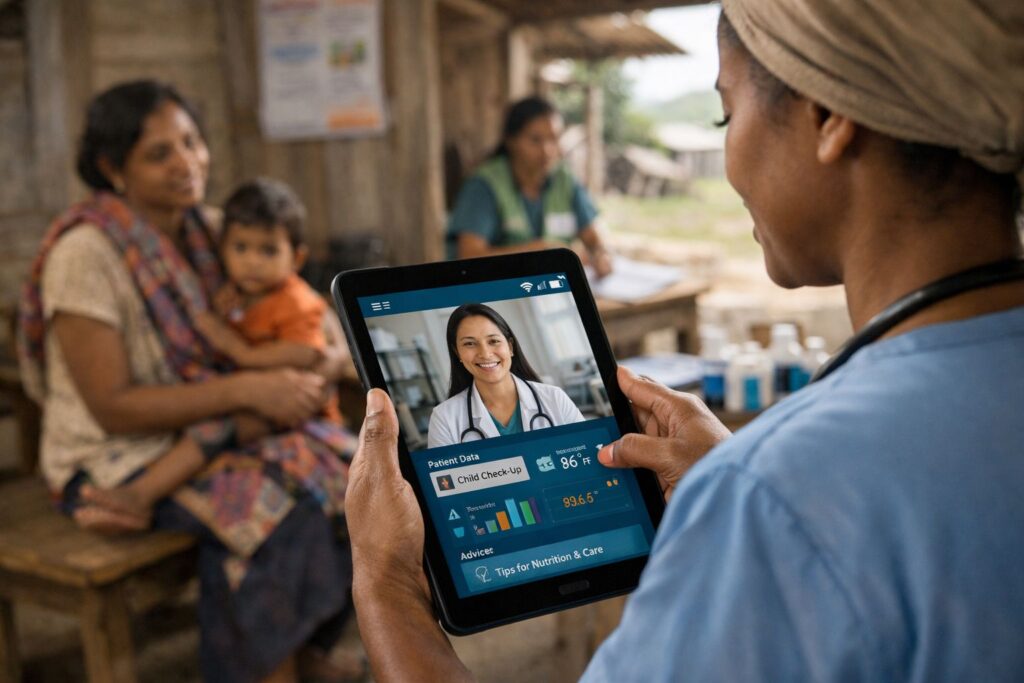
Digital health solutions, wearable devices, and AI-powered diagnostics hold immense promise. Yet technology must be inclusive, accessible, and responsive to women’s lived realities.
Innovations like menstrual tracking apps, mobile prenatal monitoring, and tele-mental health services can circumvent traditional barriers but only if deployment considers literacy, affordability, and cultural context. Bridging the digital divide is therefore a crucial social determinant in itself.
A Roadmap for Transformative Change
Powering better women’s health through social change requires a multi-dimensional approach:
- Education for empowerment – universal access, health literacy, and life skills.
- Economic equity – financial inclusion, labor protections, and support for unpaid care work.
- Cultural shift – dismantling stigma, normalizing care-seeking, and amplifying women’s voices.
- Infrastructure and environment – safe neighborhoods, sanitation, and transportation.
- Mental health integration – early intervention, accessible services, and workplace support.
- Technology with inclusion – bridging the digital divide and leveraging innovation for marginalized communities.
- Community-led initiatives – grassroots action to complement policy and system reforms.
Change must be intentional, intersectional, and sustained. It is not a program; it is a paradigm shift.
Looking Ahead: The Next Chapter
This article closes the lens on social determinants but opens the next conversation which is adolescence and young adulthood, where early interventions can redefine life-long health trajectories. Understanding how social conditions, education, and empowerment shape young women’s health is the next critical step in this series.
For more insight for the curious readers:
- World Health Organization. Social Determinants of Health.
https://www.who.int/health-topics/social-determinants-of-health - UN Women. Women’s Health and Social Equity.
https://www.unwomen.org/en/what-we-do/health - UNICEF. Girls’ Education and Health Outcomes.
https://www.unicef.org/education - World Bank. Gender and Health: Social Determinants.
https://www.worldbank.org/en/topic/health/brief/gender-and-health - The Lancet. Women and Social Determinants of Health.
https://www.thelancet.com/journals/lancet/article/PIIS0140-6736(18)32569-2/fulltext