

Introduction: When Motherhood Feels Heavier Than Expected
Motherhood has long been painted in soft pastels—of lullabies, glowing smiles, and instinctive joy, where mothers are expected to glow with endless strength. Tradition tells us that mothers, especially new ones, should bloom effortlessly, carried forward by love alone and sustained by silent resilience. Yet, wisdom drawn from lived experience urges us to pause and question this inherited narrative of motherhood. What if a mother’s joy arrives slowly? What if a mother’s heart feels burdened instead of light?
Postpartum depression (PPD) quietly enters the lives of countless new mothers, often unannounced and deeply misunderstood. It does not signify weakness, nor does it negate love for one’s child. Rather, it reflects a profound emotional and psychological upheaval following childbirth. In this delicate terrain, support networks emerge as lifelines—steady, humane, and essential. They offer not instant cures, but something far more enduring: understanding, continuity, and healing.
Understanding Postpartum Depression Beyond Myths
Postpartum depression extends beyond the fleeting “baby blues.” While mood swings and tearfulness may pass within weeks, PPD persists, deepens, and often intensifies. Mothers may experience overwhelming sadness, anxiety, irritability, emotional numbness, or a troubling sense of disconnection from their baby and themselves.
Importantly, PPD does not discriminate. It affects women across cultures, education levels, and socioeconomic backgrounds. Therefore, it demands to be seen not as an individual failure, but as a public health and social concern. By questioning outdated beliefs that motherhood must always feel fulfilling, we make space for truth—and truth is the first step toward healing.
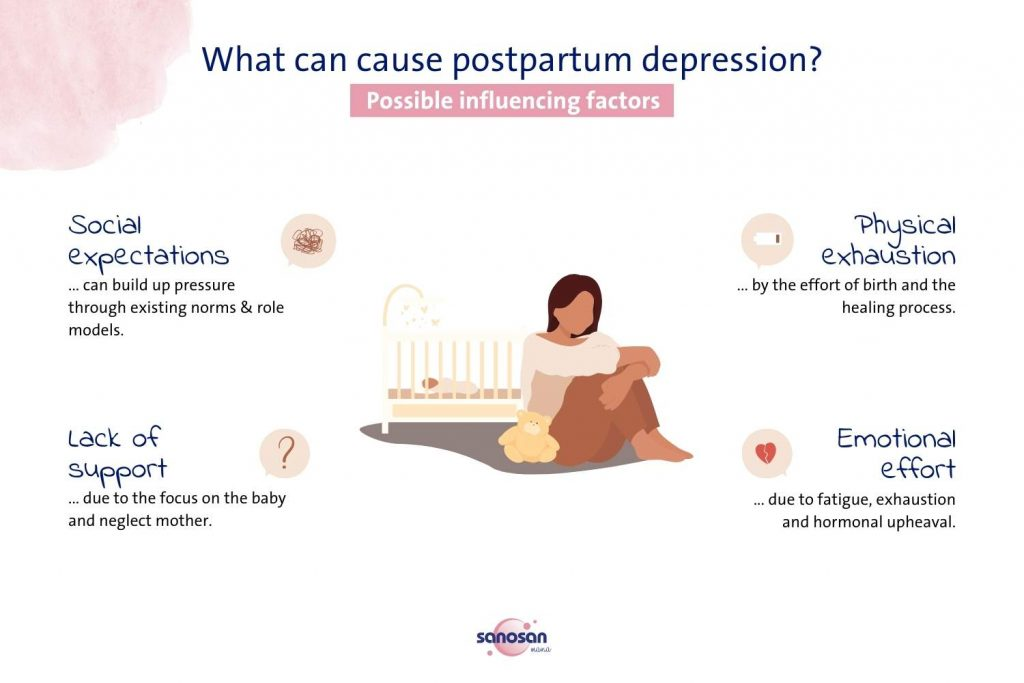
Why Support Networks Matter More Than Ever
Healing rarely happens in isolation. Traditionally, extended families and close-knit communities surrounded new mothers, offering shared responsibility and emotional reassurance. However, modern life has thinned these protective circles. Nuclear families, migration, and social pressures often leave mothers alone at their most vulnerable moment.
Here, support networks restore what time has eroded. They provide connection when isolation threatens, perspective when self-doubt dominates, and reassurance when shame silences. Moreover, they remind mothers that asking for help is not a modern indulgence—it is a time-honored necessity.
The Role of Family: Returning to Collective Care
Family remains the most immediate and influential support system. When informed and compassionate, family members can become anchors of recovery. Simple acts—listening without judgment, assisting with childcare, or encouraging rest—can significantly ease emotional strain.
However, families must move beyond dismissive reassurances such as “this phase will pass.” Instead, they should adopt a questioning yet gentle approach: How are you really feeling today? Such inquiries open doors rather than closing them. When families educate themselves about postpartum depression, they transform from passive observers into active participants in healing.
Partners as Pillars of Emotional Stability
A supportive partner can profoundly alter a mother’s recovery journey. Emotional availability, shared caregiving, and validation create an environment where healing can begin. Rather than attempting to “fix” emotions, partners should focus on presence and patience.
At the same time, partners must recognize their own limits and seek guidance when needed. Healing is not a solitary act of heroism but a shared responsibility. When partners walk beside mothers—rather than ahead or behind—they help restore balance and dignity.
Friends and Peer Support: The Power of Shared Experience
Friendships, particularly with other mothers, offer something uniquely therapeutic: recognition. Hearing “I felt that too” dissolves isolation faster than any textbook explanation. Peer support groups—whether in person or online—create safe spaces where honesty thrives without fear of judgment.
These networks encourage storytelling, and storytelling, in turn, heals. By voicing fears and doubts, mothers reclaim their narratives. Moreover, peer groups challenge the unrealistic standards imposed by social media and society, replacing them with authenticity and empathy.
Professional Support: Science Guided by Compassion
While informal networks are invaluable, professional support remains crucial for many mothers. Psychologists, psychiatrists, counselors, and social workers bring structured, evidence-based care to the healing process. Therapy offers tools to manage intrusive thoughts, reframe guilt, and rebuild self-worth.
Medication, when recommended, should be approached without stigma. Just as we respect physical healing after childbirth, we must respect mental health treatment. Forward-thinking care does not discard tradition; rather, it enhances it with knowledge and accountability.
Community Organizations and NGOs: Bridging Gaps
Community-based organizations play a vital role in reaching mothers who lack access to private healthcare. Through helplines, counseling sessions, awareness programs, and home visits, these groups extend compassion beyond clinical walls.
Notably, such organizations often integrate cultural sensitivity into their work. They understand local realities, languages, and beliefs. Consequently, they build trust where institutions may feel distant. Their presence reaffirms an old truth: healing flourishes where community invests collectively.
Digital Support Networks: Modern Tools for Timeless Needs
Technology has reshaped support systems in unprecedented ways. Online forums, mental health apps, and virtual therapy sessions now offer help at any hour. For mothers confined at home or hesitant to speak openly, digital platforms provide anonymity and accessibility.
However, discernment remains essential. Not all online spaces offer reliable guidance. Therefore, mothers should seek platforms moderated by professionals or reputable organizations. When used wisely, technology becomes a bridge—connecting tradition’s need for community with modern convenience.
Breaking the Silence: The Courage to Speak
Silence often becomes postpartum depression’s greatest ally. Shame, fear of judgment, and unrealistic expectations compel many mothers to suffer quietly. Yet, silence delays healing.
Speaking up requires courage, but it also sparks change. Each shared story weakens stigma and strengthens collective understanding. By normalizing conversations around maternal mental health, society honors mothers not as symbols of sacrifice, but as individuals deserving care.
Self-Compassion as an Inner Support Network
While external support remains essential, inner dialogue also shapes recovery. Mothers must learn to treat themselves with the same gentleness they offer their children. Self-compassion counters the harsh inner critic that often accompanies depression.
Simple practices—resting without guilt, acknowledging small victories, and setting realistic expectations—restore emotional equilibrium. Healing does not demand perfection. It asks only for persistence, patience, and kindness toward oneself.
Cultural Expectations and the Need for Change
Many cultures revere motherhood while simultaneously burdening mothers with impossible standards. They celebrate birth ceremonies but ignore emotional aftermaths. This contradiction deserves scrutiny.
A forward-thinking society must expand its definition of maternal care. Policies, healthcare systems, and workplaces should recognize postpartum mental health as integral—not optional. Tradition teaches us to honor mothers; progress challenges us to protect them.
When Healing Feels Slow: Trusting the Process
Recovery from postpartum depression rarely follows a straight path. Some days bring clarity; others return heaviness. This fluctuation does not signify failure. Rather, it reflects the complexity of healing.
Support networks sustain mothers through these uneven rhythms. They remind them that progress exists even when invisible. With time, care, and connection, the fog gradually lifts, revealing resilience shaped through struggle.
The Child’s Well-Being and the Mother’s Healing
Supporting a mother ultimately supports her child. A mother who receives care models emotional health, resilience, and self-respect. This intergenerational impact underscores why postpartum support is not merely personal—it is societal.
When mothers heal, families stabilize. When families stabilize, communities strengthen. Thus, investing in maternal mental health becomes an act of collective wisdom.
Conclusion: Reclaiming Motherhood Through Support
Postpartum depression challenges romanticized notions of motherhood, urging society to mature in its understanding. It asks us to value truth over illusion, compassion over judgment, and community over isolation.
Support networks—familial, professional, communal, and internal—form the architecture of healing. They do not erase pain overnight, but they ensure that no mother walks alone. In honoring both tradition and progress, we rediscover an ancient principle: healing flourishes where care is shared.
To every new mother navigating this tender passage—help exists, healing is possible, and your story deserves to be heard.
Postpartum care :
https://shebreaksbarriers.org/wp-admin/post.php?post=152&action=edit