
Introduction
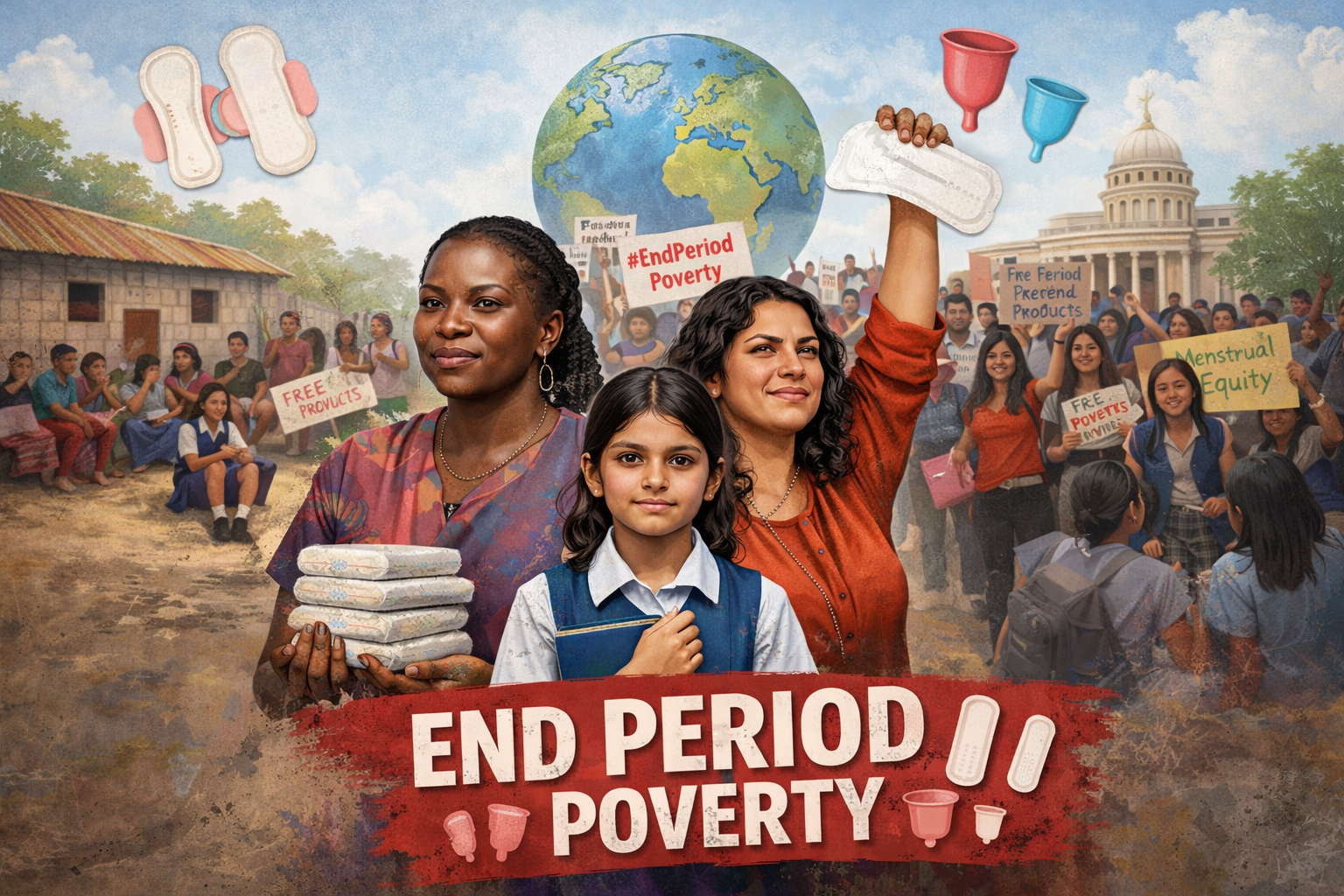
Across continents and cultures, women and girls endure a quiet yet persistent injustice each month. Period poverty, though often overlooked, strips millions of access to basic menstrual products, accurate education, and safe sanitation. Consequently, this deprivation undermines health, interrupts education, and erodes dignity.
Nevertheless, this crisis is not met with silence alone. Across the globe, advocates, educators, and innovators are steadily reshaping the narrative. Through persistent advocacy, policy reform, and community-driven innovation, they challenge stigma and demand equity.
Moreover, as global awareness deepens, collaborations flourish. For instance, sustainable and reusable menstrual products increasingly offer long-term relief. Simultaneously, governments begin to intervene through subsidies and free distribution initiatives. Thus, by uniting advocacy with affordability, the path toward ending period poverty becomes clearer. To understand this journey, we must first examine the roots of the problem.
Understanding Period Poverty
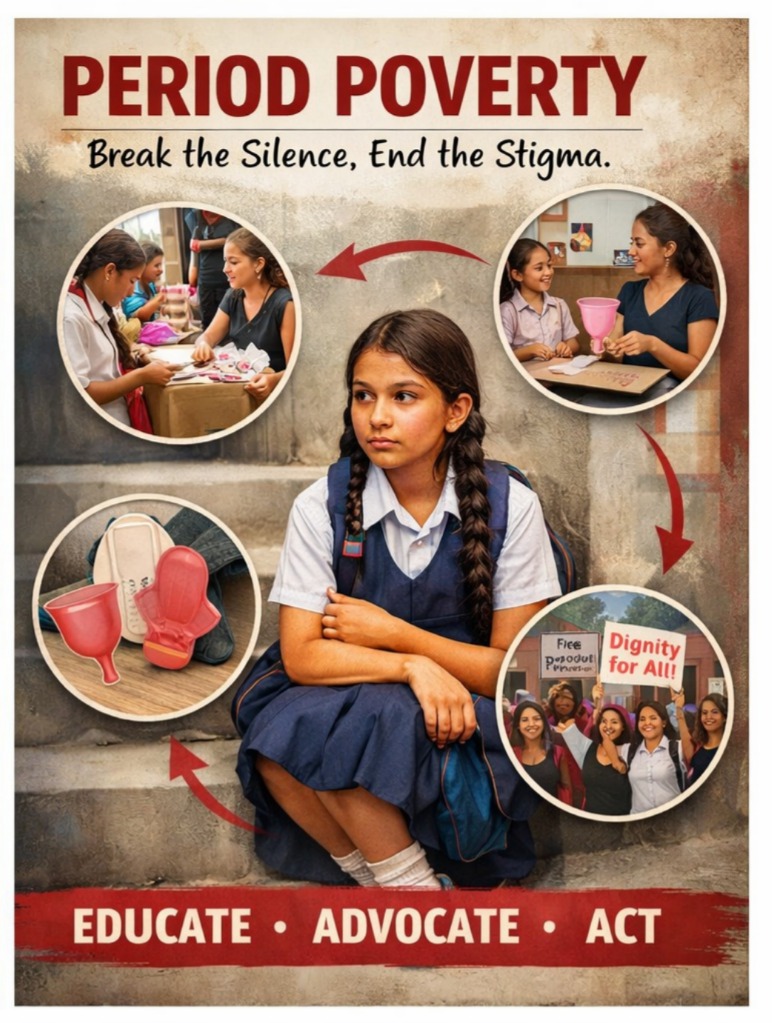
At its core, period poverty arises when individuals cannot afford or access menstrual hygiene products. Beyond products alone, it also encompasses the absence of safe sanitation facilities and the lack of accurate menstrual education. As a result, millions of girls worldwide miss school during their menstrual cycles. In many low-income regions, women are forced to rely on unsafe alternatives such as rags, paper, or even leaves.
Compounding this challenge, deeply entrenched cultural stigmas often shroud menstruation in silence. In numerous societies, menstruation remains taboo—spoken of in whispers, if at all. Consequently, this silence delays progress. Yet, determined activists confront these norms directly, reframing menstruation as a fundamental human right rather than a source of shame.
Additionally, economic constraints intensify the crisis. The high cost of pads and tampons places an undue burden on already struggling households. Furthermore, taxes on menstrual products—commonly termed the “pink tax”—exacerbate inequality. Therefore, meaningful solutions must address both material access and societal attitudes to achieve lasting transformation.
The Global Impact of Period Poverty
The consequences of period poverty reverberate widely, beginning with education. In many developing regions, girls miss several days of school each month, which gradually leads to declining academic performance and, ultimately, higher dropout rates. This disruption perpetuates gender inequality and narrows future opportunities.
Equally concerning are the health implications. Without safe menstrual products, women face increased risks of infections and long-term reproductive complications. Poor sanitation facilities in schools and workplaces further magnify these dangers. Meanwhile, the psychological burden—marked by shame, fear, and anxiety—silently erodes mental well-being.
Economically, the losses are substantial. Women miss workdays, reducing both income and productivity. On a national scale, this translates into billions lost in potential GDP. Ironically, addressing period poverty could significantly strengthen economies, a fact advocacy groups increasingly highlight to galvanize policy reform.
Advocacy: Breaking the Silence
Advocacy stands at the forefront of change. By amplifying lived experiences, advocates transform private struggles into public discourse. Social media campaigns, fueled by hashtags such as #EndPeriodPoverty, ignite conversations that cross borders and generations.
At the grassroots level, young activists conduct school workshops that demystify menstruation. Through education and free product distribution, they normalize conversations once considered forbidden. Gradually, this community-centered approach dismantles stigma and fosters acceptance.
Moreover, the involvement of celebrities and influencers further amplifies visibility. By leveraging their platforms to raise funds and awareness, they apply pressure on policymakers. Collectively, these efforts elevate period poverty from a neglected issue to a global priority.
Key Advocacy Organizations and Campaigns
Several organizations exemplify impactful advocacy. The Pad Project, for instance, empowers women by producing affordable pads within local communities, simultaneously creating employment. Their award-winning documentaries expose the harsh realities of period poverty, inspiring global action.
Similarly, Period.org champions menstrual equity by advocating for free products in schools, shelters, and public spaces. Their mission ensures menstrual supplies remain accessible and untaxed.
Meanwhile, on occasions such as Menstrual Hygiene Day, global coalitions demand justice, framing menstruation as a human rights issue. NGOs highlighted by platforms like The Borgen Project introduce mobile clinics and education initiatives, uniting governments, donors, and communities in pursuit of shared impact.
Making Menstrual Products Affordable
Affordability remains a cornerstone of progress. First and foremost, governments can eliminate taxes on menstrual products, immediately reducing costs. Scotland’s landmark policy of providing free pads and tampons in public spaces stands as a powerful precedent.
In addition, targeted subsidies assist low-income households. In India, for example, community health workers distribute low-cost pads to rural populations, ensuring last-mile delivery.
Furthermore, reusable menstrual products dramatically reduce long-term expenses. Menstrual cups and reusable cloth pads last for years, offering both financial relief and environmental sustainability. When paired with donation programs, these solutions expand access to underserved communities.
Innovative Solutions and Sustainable Products
Innovation propels the movement forward. Silicone menstrual cups, for instance, provide a hygienic and reusable alternative. Corporate initiatives, such as Dow’s donation programs, distribute these cups alongside educational workshops to ensure proper usage.
Simultaneously, biodegradable pads address environmental concerns. African startups manufacture these products using locally sourced materials, thereby supporting local economies while meeting community needs.
However, innovation alone is insufficient. Education remains indispensable. Without proper instruction, adoption falters. Thus, collaborative efforts between NGOs and governments play a critical role in scaling these solutions responsibly.
Government Policies and Reforms
Policy interventions shape systemic change. International institutions like the World Bank advocate reforms that enhance affordability and access. Countries such as Kenya have eliminated import duties on raw materials for menstrual products, lowering production costs.
Meanwhile, in the United States, several states mandate free menstrual products in schools, directly combating absenteeism. Global organizations like UN Women continue to push for universal standards.
Equally important, public budgets increasingly allocate funds for sanitation infrastructure. Improved school facilities ensure that girls remain in classrooms, reinforcing the long-term benefits of policy-driven solutions.
Challenges in Implementation
Despite progress, obstacles persist. Cultural resistance in conservative regions slows acceptance. To counter this, advocates employ culturally sensitive, community-led education programs.
Additionally, supply chain disruptions—often caused by natural disasters or political instability—impede consistent distribution. Funding limitations further restrict scalability.
Moreover, global inequality creates uneven progress. Wealthier nations advance more rapidly, while low-income countries struggle. International cooperation and aid remain essential to bridging this divide.
Overcoming Barriers Through Collaboration
Collaboration offers a way forward. Governments and NGOs increasingly partner to enhance efficiency. For example, joint initiatives in Nepal have resulted in the construction of menstrual-friendly sanitation facilities.
Technology also contributes. Mobile applications track supply needs, provide education, and connect users to resources. Meanwhile, crowdfunding platforms mobilize grassroots financial support.
Importantly, inclusive strategies engage men and boys, reshaping attitudes and fostering shared responsibility.
Future Directions and Call to Action
Looking ahead, research will guide smarter investments. Studies evaluating product effectiveness and cultural suitability inform policy and innovation. Global forums, including the United Nations, continue to set ambitious goals.
At the same time, youth leadership injects energy and creativity into the movement. Corporations increasingly commit resources, recognizing menstrual equity as both a social and economic imperative.
You, too, can contribute—by donating, advocating, educating, or simply speaking openly. Indeed, even modest actions can generate profound change.
Conclusion
Period poverty no longer remains hidden in silence. Through advocacy, innovation, and affordability, pathways toward dignity and equity emerge. From reusable products to transformative policies, solutions now span local and global arenas.
Yet, vigilance remains essential. By honoring hard-earned lessons from the past while embracing forward-thinking strategies, we can ensure that no woman is denied dignity because of a natural biological process. In unity, persistence, and compassion lies the promise of a more equitable world.
Sustainable care for periods:
https://shebreaksbarriers.org/wp-admin/post.php?post=490&action=edit