

There is a quiet injustice that millions of women and girls endure each month often in silence, often unseen. Menstruation, a natural biological rhythm that governs roughly half of humanity for decades of their lives, remains shrouded in taboo, shame, and systemic neglect.
While biological science has known the intricacies of the menstrual cycle for centuries, social norms, misinformation, and policy gaps have consistently failed to treat menstruation as a health and rights issue. The consequences are profound: missed school and work, untreated infections, social exclusion, and a generational perpetuation of stigma.
In the previous article, Powering Better Women’s Health Through Social Change, we explored how social determinants shape women’s health outcomes. Menstrual health is the perfect microcosm of these dynamics it is where biology, culture, and access intersect in a deeply personal, yet profoundly societal, way.
As Malala Yousafzai famously asserted:
“We cannot all succeed when half of us are held back.”
Menstrual dignity is not a privilege, it is central to gender equity, health, and social progress.
Breaking the Silence: Menstruation Is Not Shameful
For too long, menstruation has been whispered about, hidden under euphemism, or labeled as “dirty” in countless cultures. This silence is not harmless. It fosters shame, misinformation, and neglect.
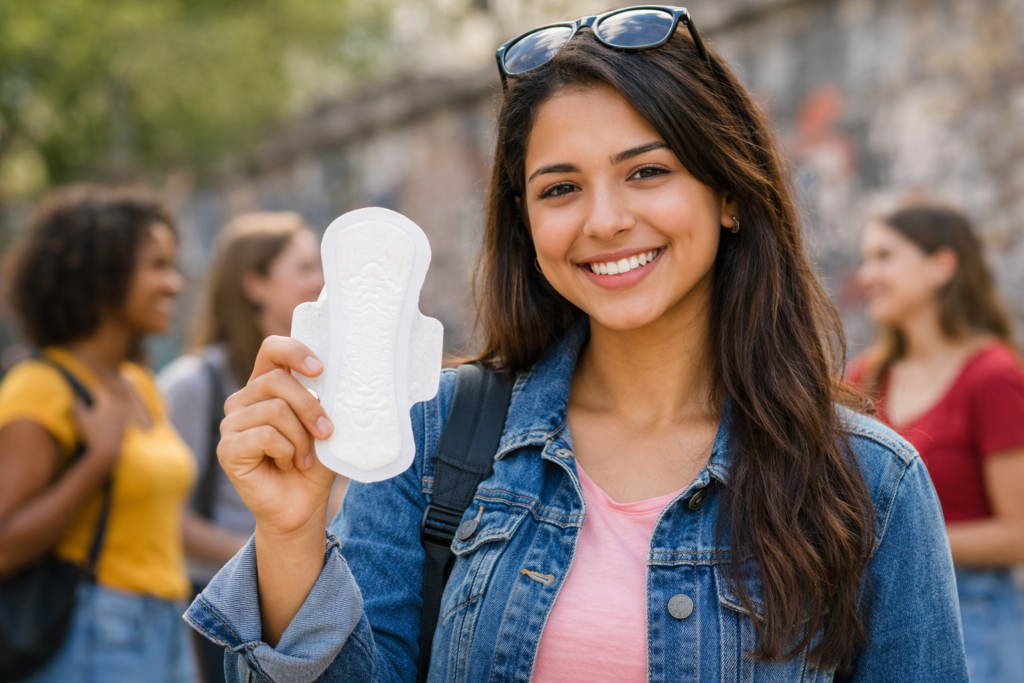
Girls often start menstruating with little understanding of what is happening to their bodies. Families, schools, and even healthcare providers sometimes reinforce stigma rather than knowledge. As a result, many adolescents internalize embarrassment, leading to anxiety, absenteeism, and early withdrawal from social or educational participation.
Breaking this silence requires bold cultural conversations, inclusive education, and media representation that normalizes menstruation as a biological and natural process. Communities that speak openly about periods empower girls to navigate this life stage with confidence and dignity.
Access Is Health: The Invisible Barrier
Awareness alone is insufficient without tangible access. Millions of women and girls lack affordable, hygienic menstrual products. Sanitation facilities in schools and workplaces are often inadequate. Even when products are available, social taboos can prevent their usage or proper disposal.
The consequences are far-reaching. Studies show that inadequate menstrual hygiene can lead to urinary tract infections, reproductive tract infections, and emotional stress. It can also hinder educational attainment, with girls missing up to 20% of school days during menstruation in some regions.
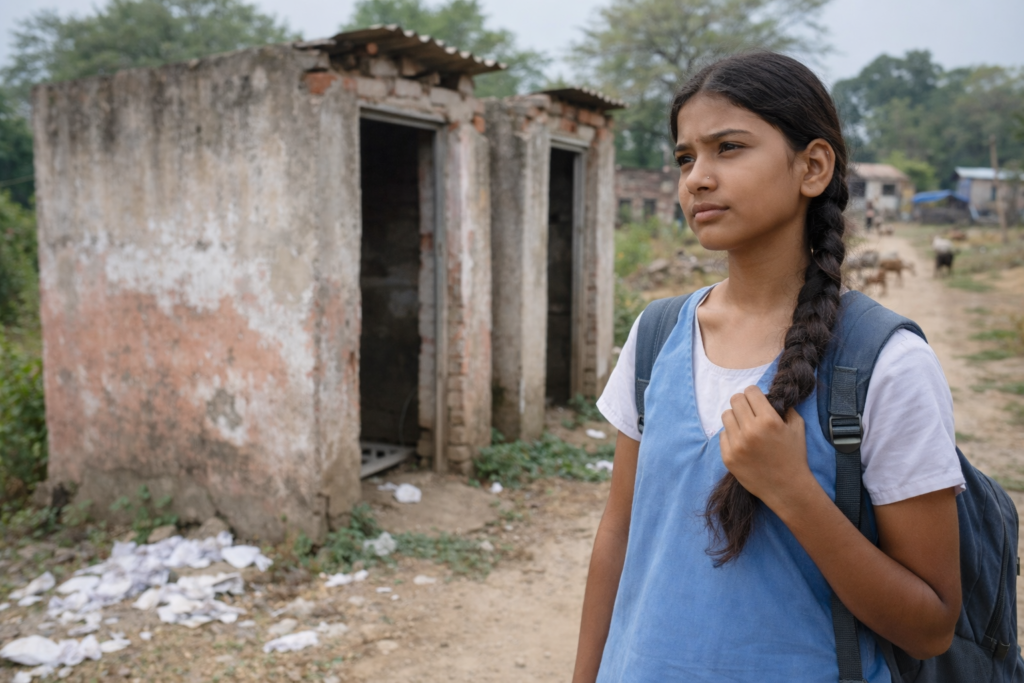
Addressing these barriers requires not just distribution programs, but systemic investment in menstrual health infrastructure like safe toilets, water access, product affordability, and culturally sensitive disposal methods.
Policy and Menstrual Health: From Margins to Mainstream
Despite growing awareness, menstrual health remains underrepresented in national and global health policies. Governments often address reproductive health broadly but fail to integrate menstruation as a central priority.
Gender-responsive budgeting and inclusive health policy are critical. Subsidized menstrual products, workplace and school support policies, and public health campaigns can transform menstruation from a private struggle into a socially acknowledged, medically supported reality.
The UN Women has emphasized that menstrual health is a human rights issue yet implementation remains inconsistent across countries. Menstrual equity is not a niche intervention; it is a foundational pillar of women’s health and dignity.
Education Is Liberation: Knowledge Empowers Girls
Menstrual health education is as crucial as product availability. Schools, families, and communities must equip girls and boys with accurate, respectful, and comprehensive understanding of menstruation.
Early education demystifies menstruation, reduces fear, and fosters empathy. It also encourages girls to adopt healthy practices, seek medical advice when needed, and advocate for their needs in school and society.
Digital platforms, peer-led workshops, and culturally sensitive curricula can amplify impact. Education transforms menstruation from a source of shame into a tool for empowerment.
Cultural Transformation: Challenging Deep-Rooted Taboos
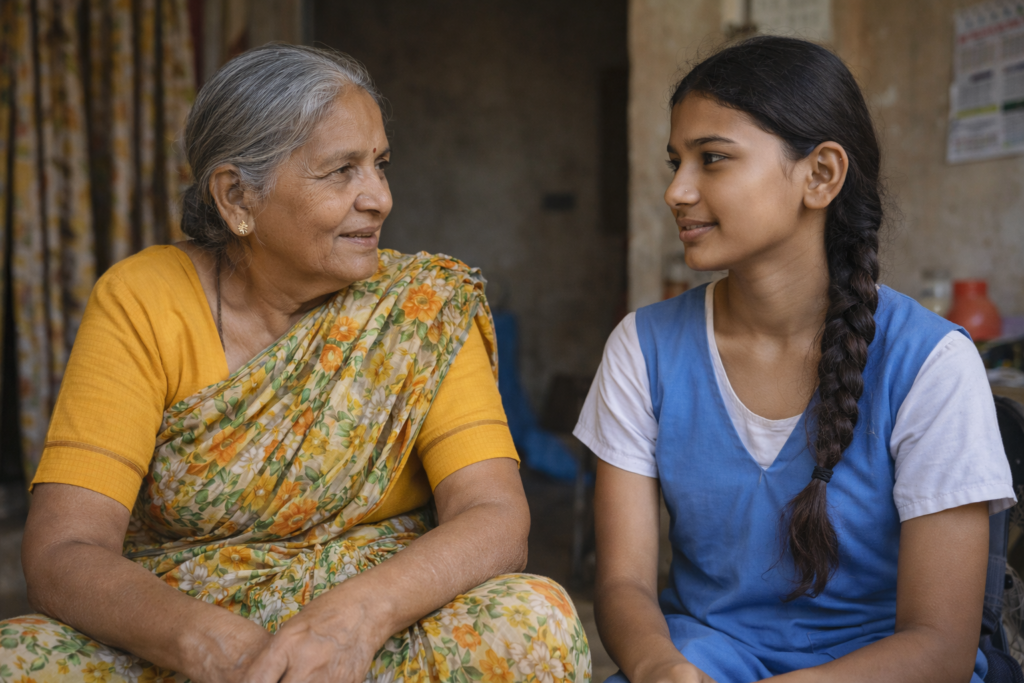
Taboos are not merely social, they have structural consequences. In some regions, girls are barred from cooking, attending school, or participating in religious practices during menstruation. While these practices may seem symbolic, they normalize exclusion and limit opportunity.
Cultural transformation requires more than policy. it requires narratives that reframe menstruation as natural, dignified, and healthy. Media, storytelling, and community role models are powerful tools to shift perceptions. When menstruation is normalized, social participation, mental health, and personal agency improve.
Menstrual Hygiene Infrastructure: A Critical Health Determinant
Hygiene facilities are not optional they are central to women’s health. Schools, workplaces, and public spaces must provide safe, private, and accessible toilets, water, and disposal systems.
Poor infrastructure exacerbates infections and contributes to absenteeism. Conversely, investments in sanitation empower women to manage menstruation with dignity, reduce health risks, and participate fully in society.
This connects directly to social determinants explored in the previous article: environmental safety, sanitation, and infrastructure shape health outcomes as much as biology or policy.
Economic Access: Affordable Products for All
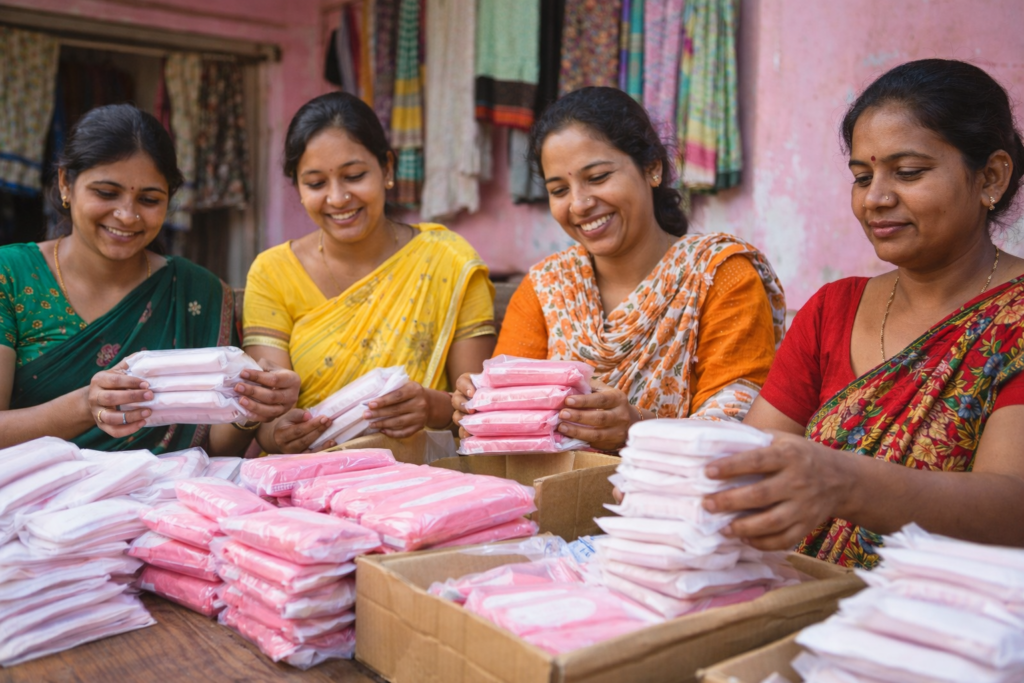
Menstrual products are essential healthcare items, yet cost remains a barrier. For low-income women and girls, products may be scarce or reused unsafely.
Government subsidies, social enterprise models, and nonprofit distribution programs can address affordability. Innovative approaches, such as reusable pads, menstrual cups, and community-based production, provide sustainable options that combine dignity with ecological responsibility.
Access is not charity; it is justice.
Intersectional Perspectives: Addressing Inequities
Marginalized women from rural, disabled, refugee, or transgender face compounded menstrual inequities. Social stigma, lack of products, and inaccessible facilities create layers of disadvantage.
Policies and programs must embrace intersectionality. Inclusive designs, representation of diverse needs, and engagement with affected communities ensure no one is left behind. Menstrual dignity is universal, yet its realization requires deliberate attention to inequality.
Mental and Emotional Wellbeing: Periods Beyond Biology
Menstrual health encompasses emotional and mental dimensions. Pain, premenstrual syndromes, and cultural stressors can affect confidence, mood, and social participation.
Healthcare providers must address these dimensions alongside physical care. Peer support groups, counseling, and awareness programs reduce stigma and normalize conversations around menstruation-related mental health.
Menstrual Health as a Rights-Based Framework
Reframing menstruation as a rights-based issue shifts responsibility from individual women to society. It positions menstrual health within the larger context of gender equity, education, and social justice.
This perspective aligns with the previous discussions in Powering Better Women’s Health Through Social Change: social determinants, education, policy, and infrastructure all converge to determine women’s ability to manage menstruation with dignity.
A Call to Action: Strategies for Transformative Change
Achieving menstrual dignity at scale requires a holistic, coordinated approach. Education is essential, not just for girls, but for communities at large to demystify menstruation, foster awareness, and normalize open dialogue. At the same time, infrastructure must ensure safe, private, and hygienic facilities in schools, workplaces, and public spaces, so women and girls can manage their cycles without fear or discomfort.
Equally important is economic accessibility; menstrual products must be affordable or freely available for low-income populations to prevent exclusion and health risks. Policy frameworks need to embed menstrual health as a priority, ensuring systemic support rather than piecemeal interventions. Cultural norms and taboos must be challenged through storytelling, media representation, and community engagement, fostering an environment where menstruation is seen as natural, not shameful.
Inclusivity is critical: programs should intentionally address the needs of marginalized women, including those living in rural areas, with disabilities, or from minority communities. Finally, mental and emotional support must complement physical care, recognizing that menstrual health encompasses the whole person.
Menstrual dignity is not a distant ideal it is achievable, but only through deliberate, intersectional, and sustained efforts that empower women at every level of society.
This article concludes the lens on menstrual health and hygiene but leads directly into the next critical conversation: Stronger Futures Start with Better Reproductive Health Education, where we will explore adolescence, early interventions, and the role of knowledge in shaping lifelong health outcomes.
By connecting menstrual health to broader reproductive health education, policy, and social equity, we continue the journey across the life course of women’s health.
- UN Women. Menstrual Health and Hygiene.
https://www.unwomen.org/en/what-we-do/health - UNICEF. Menstrual Hygiene Management.
https://www.unicef.org/wash/menstrual-hygiene - World Health Organization. Adolescent Health: Menstrual Hygiene.
https://www.who.int/health-topics/adolescent-health - Plan International. Breaking the Menstrual Taboo.
https://plan-international.org/menstruation - Global Citizen. Menstrual Health as a Human Right.
https://www.globalcitizen.org/en/topics/menstrual-health/