
- Ovarian Cyst Lifestyle Changes
- Ovarian Cyst Symptoms
- Women’s Hormonal Health
- Reproductive Health
Ovarian cysts are among the most frequently encountered gynecological conditions, affecting women across age groups, particularly during the reproductive years. Often benign and temporary, these fluid-filled sacs may develop silently or announce themselves through pelvic pain, bloating, irregular menstrual cycles, or unexplained emotional discomfort. While modern medicine reassures us that most ovarian cysts resolve on their own, lived experience and long-standing medical wisdom suggest that the body’s environment plays a decisive role in how smoothly this resolution occurs.
Natural management of ovarian cysts does not promise instant cures, nor does it stand in opposition to medical treatment. A disciplined and skeptical outlook reminds us that no single habit works in isolation. Instead, lifestyle measures act as steady companions to clinical care—supporting hormonal balance, easing symptoms, and strengthening overall health. Always consult a qualified healthcare professional before adopting any new regimen, especially if cysts are persistent, painful, or rapidly enlarging.
Understanding Ovarian Cysts: Why Lifestyle Matters
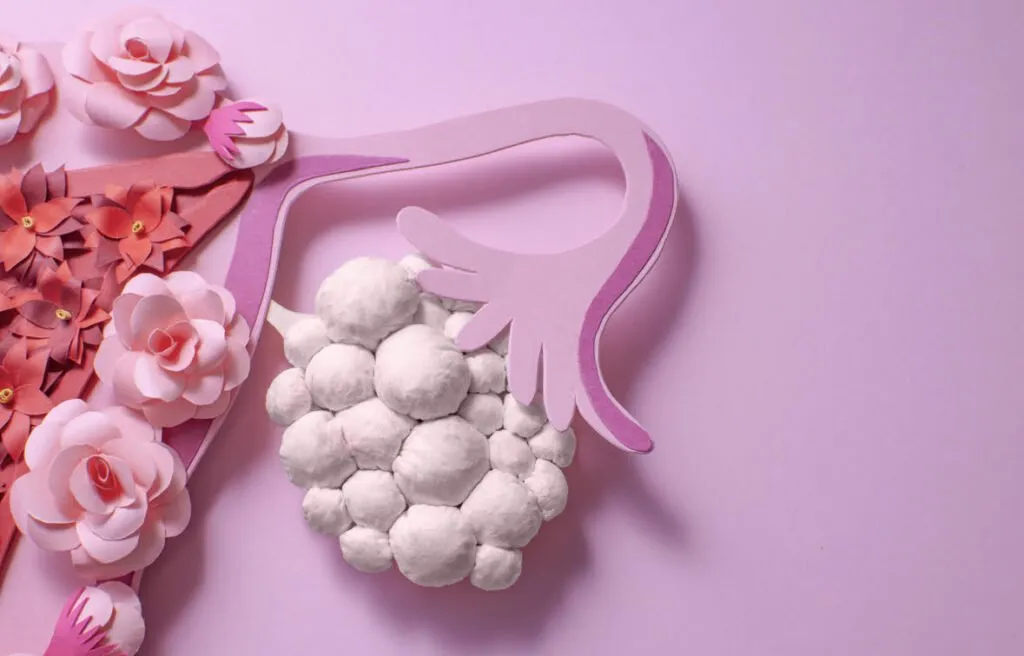
Ovarian cysts are fluid carrying sacs that form on or within the ovary. The most common types—functional cysts such as follicular and corpus luteum cysts—are closely linked to the menstrual cycle. Other cysts, including dermoid cysts, endometriomas, or those associated with polycystic ovary syndrome (PCOS), may behave differently and warrant closer monitoring.
A responsible approach begins with inquiry: What internal conditions allowed the cyst to form? Hormonal imbalance, insulin resistance, chronic inflammation, and sustained stress often contribute silently. Lifestyle choices, repeated daily, influence all of these factors. Addressing them does not replace treatment, but it creates an internal terrain more conducive to healing.
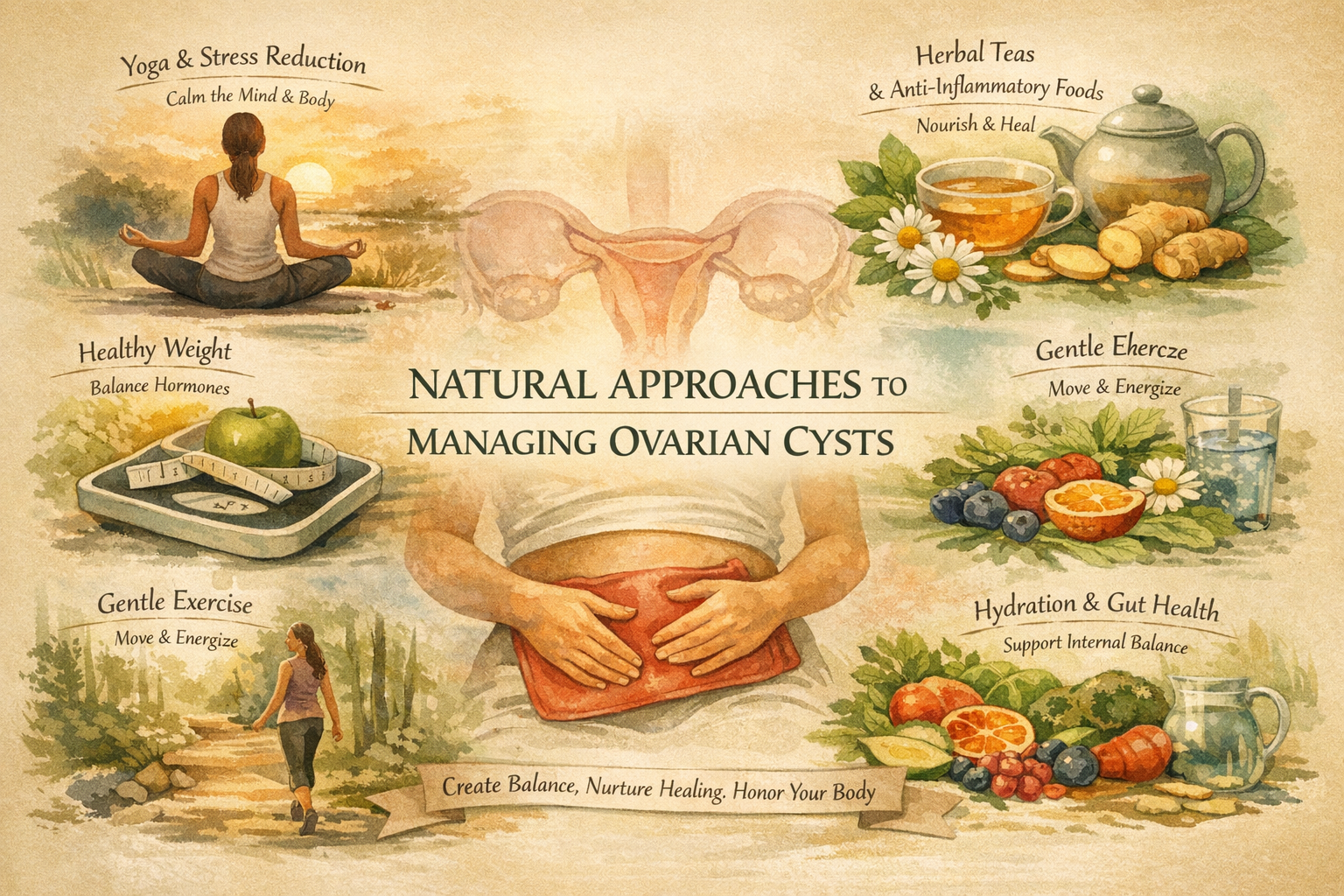
Maintaining a Healthy Weight: Restoring Hormonal Rhythm

Hormonal health deeply affects body weight . Excess adipose tissue actively produces estrogen, and when present in surplus, it can disrupt ovulation and worsen cyst-related symptoms—particularly in women with PCOS.
Traditional medical wisdom favors moderation over extremes. Crash diets and rapid weight loss may further disturb hormonal balance. Instead, gradual, sustainable weight management through mindful eating and regular movement is both safer and more effective. Even modest weight reduction can significantly improve insulin sensitivity and help restore menstrual regularity.
Moving the Body: Exercise as Gentle Medicine
Physical movement has long been regarded as a cornerstone of health. Regular exercise improves circulation, reduces inflammation, and supports metabolic and hormonal stability.
Low-impact activities are especially beneficial for women managing ovarian cysts:
- Brisk walking to enhance cardiovascular health
- Swimming to reduce joint strain while improving circulation
- Gentle cycling to support pelvic blood flow
Strength training performed twice a week helps build muscle mass, which improves glucose metabolism. However, excessive or overly intense exercise may elevate stress hormones and disrupt cycles. Balance, not exhaustion, remains the guiding principle.
Yoga and Pelvic Well-being
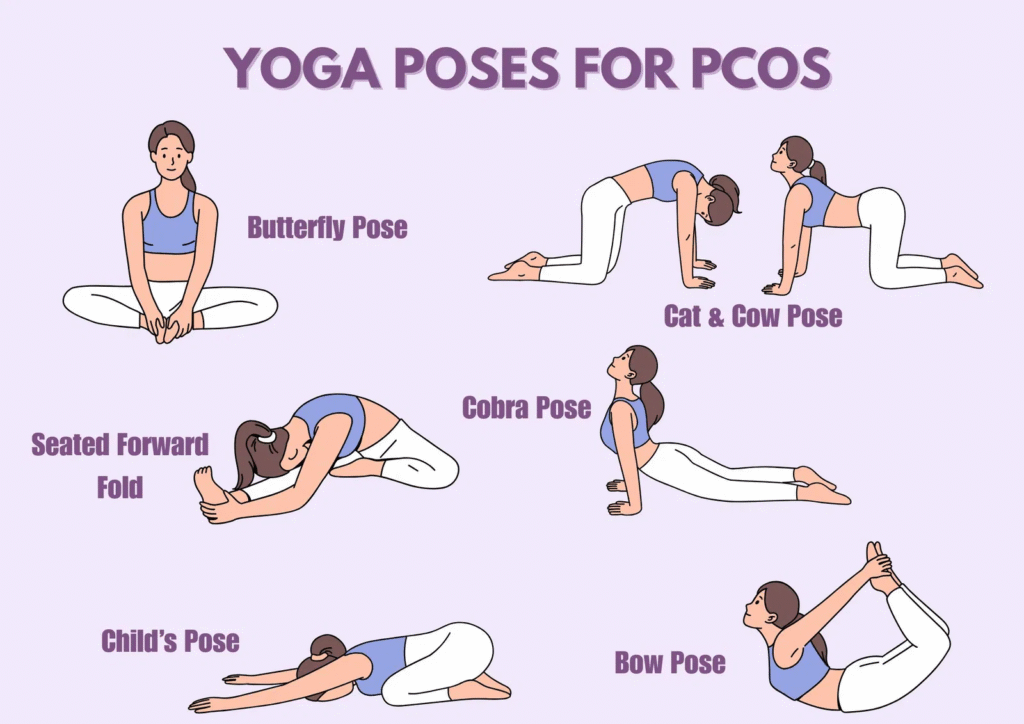
Yoga occupies a respected place in traditional health systems. Certain postures gently stimulate pelvic organs, promote circulation, and calm the nervous system. Asanas such as Baddha Konasana, Bhujangasana, and Balasana are often recommended for good health . Beyond the physical, yoga cultivates mental stillness—an often-overlooked yet essential element of hormonal balance.
Managing Stress: Calming the Hormonal Storm
Stress is not merely emotional; it is biochemical. Chronic stress elevates cortisol, which interferes with reproductive hormones and insulin regulation. Over time, this internal imbalance may aggravate ovarian dysfunction.
Daily stress management is therefore essential. Simple, consistent practices such as deep breathing, mindfulness meditation, or quiet reflection can calm the hypothalamic-pituitary-ovarian axis—the communication network between brain and ovaries. In a world that rewards constant urgency, choosing calm becomes a deliberate and healing act.
Heat Therapy: Time-Tested Symptom Relief
For centuries, people have used heat to relieve pelvic discomfort. Applying a warm compress or heating pad to the lower abdomen increases blood flow, relaxes muscles, and reduces cramping.
Warm baths, especially with Epsom salts, may further ease tension and soreness. While heat does not treat the cyst itself, it offers meaningful relief and supports daily comfort.
Herbal Teas: Gentle Daily Support

Herbal teas, when used sensibly, offer subtle benefits.
Ginger tea is valued for its anti-inflammatory and pain-relieving properties, while chamomile tea calms the nervous system and supports restful sleep. These teas are best viewed not as treatments, but as nurturing rituals that support the body’s natural processes.
Eating an Anti-Inflammatory Diet
Chronic low-grade inflammation plays a significant role in many hormonal disorders. Diet, therefore, becomes a powerful daily influence.
An anti-inflammatory eating pattern emphasizes:
- Fresh fruits, particularly antioxidant-rich berries
- Vegetables, especially leafy greens
- Fatty fish such as salmon, rich in omega-3 fatty acids
Traditional spices like turmeric and ginger, long valued in ancestral diets, are now supported by modern research for their anti-inflammatory effects. Used consistently, they help create a more balanced internal environment.
Fiber and Hormone Balance
Dietary fiber supports digestion and assists in the elimination of excess estrogen from the body
NIH – Dietary Fiber and Health
https://www.ncbi.nlm.nih.gov/books/NBK92747/. Without adequate fiber, estrogen may be reabsorbed, contributing to imbalance.
Whole grains, legumes, nuts, seeds, and particularly flaxseeds provide valuable fiber and phytonutrients. Fiber should be increased gradually and paired with adequate hydration to prevent discomfort.
Foods to Limit: Practicing Discernment
Certain foods are known to worsen insulin resistance and inflammation. Limiting refined sugars, processed snacks, fried foods, and excessive red or processed meats can ease metabolic strain.
Alcohol and excessive caffeine may aggravate symptoms in sensitive individuals. Traditional dietary wisdom consistently emphasizes moderation—a principle that remains relevant today.
Hydration: The Quiet Foundation
Water supports every metabolic process, from digestion to detoxification. Adequate hydration aids circulation and helps the body maintain internal balance.
Aim for roughly eight glasses of water daily, adjusting for climate and activity level. Herbal infusions may contribute, but sugary beverages should be avoided.
Sleep: The Silent Regulator
Sleep quietly governs hormonal balance. Inadequate or irregular sleep disrupts cortisol, insulin, and reproductive hormones, indirectly influencing ovarian function.
Seven to nine hours of consistent, quality sleep is ideal. Establish regular sleep routines, limit screen exposure before bedtime, and keep the sleeping environment cool and dark.
Supporting Gut and Liver Health
The gut and liver play central roles in hormone metabolism and elimination. When these systems are compromised, estrogen balance may suffer.
Probiotic-rich foods, bitter vegetables, and limiting alcohol support these organs. A healthy gut-liver connection strengthens the body’s ability to regulate hormones naturally.
Building a Sustainable Daily Routine
True healing is cumulative. Begin with small, manageable changes rather than drastic overhauls. Introduce one habit at a time, observe your body’s responses, and adjust thoughtfully.
Daily walks, balanced meals, gentle stretching, and evening relaxation rituals gradually become anchors of health. Consistency, not intensity, shapes long-term outcomes.
A Necessary Reminder
Natural strategies can support comfort and overall well-being, but they are not substitutes for medical care. Most ovarian cysts resolve naturally; however, severe pain, fever, sudden abdominal swelling, or signs of internal bleeding require immediate medical attention.
Empowerment lies in integration—honoring traditional wisdom, practicing disciplined lifestyle choices, and embracing modern medical guidance. Through this balanced approach, women can move forward informed, vigilant, and resilient.
“Maintaining a healthy skin care visit” :
https://shebreaksbarriers.org/wp-admin/post.php?post=210&action=edit