
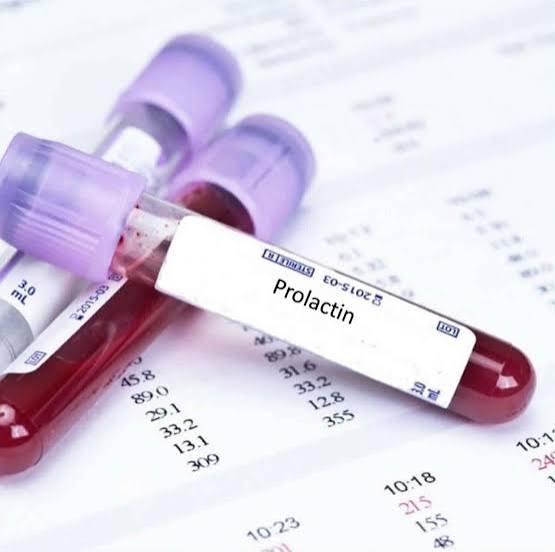
Imagine getting a blood test back showing elevated levels of a hormone you primarily associate with breastfeeding. The result is confusing, stressful, and often accompanied by frustrating symptoms like irregular cycles or unexpected breast discharge (galactorrhea).
If you’ve been diagnosed with Hyperprolactinemia (high prolactin), know this: It is one of the most common hormonal issues affecting women today, and it is highly treatable.
Prolactin is a brain hormone that often acts like an unwanted house guest, disrupting the signals needed for a normal menstrual cycle. Elevated levels can hijack your reproductive system, causing emotional distress and difficulty conceiving.
This article breaks down the surprisingly common causes of high prolactin—from stress to prescription drugs—and empowers you with five clear, natural strategies to gently lower your levels and reclaim your hormonal health.
The Prolactin Signal: What It Does and Why It Matters
Prolactin is primarily known as the “milk hormone” because its main job is to stimulate breast milk production after childbirth. It is secreted by a small, pea-sized gland at the base of your brain called the Pituitary Gland.
In a non-pregnant, non-lactating woman, prolactin levels should be low. The moment prolactin levels rise above normal, it sends a powerful message to the rest of your reproductive system: “The body is pregnant or nursing; reproduction is on hold.”
When this signal is sent unintentionally, it creates a hormonal traffic jam that leads to the most common symptoms:
•Irregular or absent menstrual periods (Amenorrhea).
•Unexpected breast discharge (galactorrhea).
•Reduced libido.
•Fertility challenges.
5 Shocking Causes of High Prolactin Levels
While serious causes like tumors must always be ruled out by a doctor, the vast majority of high prolactin cases are caused by highly manageable factors.
1. Stress (The Most Common Culprit)
Chronic emotional, physical, or psychological stress is perhaps the most frequent cause of temporary high prolactin in modern women. When you’re constantly operating in “fight or flight,” your body releases hormones that can inadvertently stimulate prolactin release. This is your body telling you to slow down.
2. Medications
A significant number of medications can cause high prolactin as a side effect. The most common offenders are:
•Antidepressants (SSRIs).
•Certain blood pressure medications.
•Certain anti-nausea or heartburn drugs.
•Oral contraceptives (in some women).
3. Hypothyroidism (The Thyroid Connection)
If your thyroid is sluggish (Hypothyroidism), your brain releases more Thyrotropin-releasing hormone (TRH) to stimulate it. Unfortunately, TRH also strongly stimulates the pituitary gland to release prolactin. If your prolactin is high, always ask your doctor to test your full thyroid panel (TSH, Free T3, Free T4).
4. Benign Pituitary Tumors (Prolactinomas)
In roughly 10% of cases, high prolactin is caused by a small, usually non-cancerous growth on the pituitary gland called a Prolactinoma. If a doctor suspects this, they will order an MRI of the pituitary gland. These are generally treated effectively with medication or, rarely, surgery.
5. Excessive Nipple Stimulation
The physical act of prolonged nipple stimulation (such as nursing, or even sometimes vigorous exercise) sends a direct neurological signal to the pituitary gland, telling it to release prolactin.
The Fertility Impact: Why High Prolactin Prevents Ovulation
High prolactin levels block the monthly hormonal cascade required for ovulation.
Prolactin inhibits the release of Gonadotropin-Releasing Hormone (GnRH) in the hypothalamus. GnRH is the master signal that tells the pituitary gland to release Follicle-Stimulating Hormone (FSH) and Luteinizing Hormone (LH). Without sufficient FSH and LH, your ovarian follicle cannot mature and release an egg. If you don’t ovulate, you cannot conceive, and your menstrual cycle becomes erratic or stops altogether.
5 Natural Ways to Gently Lower Prolactin
These natural approaches can be used alongside medical treatment (like Cabergoline or Bromocriptine) or as a first-line approach for stress-induced or medication-induced hyperprolactinemia.
1. Chasteberry (Vitex Agnus-Castus)
Vitex is the most evidence-backed herb for high prolactin. It works by acting on dopamine receptors, which helps inhibit prolactin release from the pituitary gland. If your prolactin is extremely high due to a confirmed Prolactinoma, consult your doctor before using Vitex.
2. Prioritize Stress Management
Since stress is a major trigger, implementing a consistent, non-negotiable stress management tool is crucial. This could include:
Mindfulness Meditation: Daily 15-minute sessions.
Acupuncture: Shown to modulate the stress response and potentially lower prolactin.
Limiting Intensive Exercise: Switch high-intensity workouts (like HIIT) to gentle walking, yoga, or swimming during the regulation period.
3. Increase Vitamin B6 Intake
Vitamin B6 (Pyridoxine) is a necessary cofactor for the synthesis of dopamine. Since dopamine is the body’s natural prolactin-inhibiting factor, increasing B6 through foods (like bananas, salmon, chicken) or supplementation can offer supportive benefits.
4. Zinc and Vitamin E
These two nutrients are essential for pituitary health. Zinc plays a role in regulating the gland’s function, while Vitamin E has been shown in some studies to help inhibit prolactin secretion, particularly when the root cause is environmental or stress-related.
5. Remove Excess Nipple Stimulation
If you are consistently stimulating your breasts through self-examination, massage, or tight clothing that causes friction, reducing or eliminating this stimulation can sometimes be enough to help naturally reduce elevated levels.
High prolactin can make you feel out of control, but understanding its triggers is the first step toward finding your way back to balance. By addressing the stress, lifestyle, and nutritional factors, you take powerful action to restore your natural rhythm.