
“When women thrive, nations rise.” – Michelle Obama
History does not pivot quietly. It shifts through courage, conviction, and the audacity to reimagine power. Across continents and cultures, a transformative renaissance is unfolding one where women in political leadership are not symbolic presences but catalytic forces, reshaping economies, redefining governance, and restoring faith in democratic institutions. This is not a sentimental narrative of inclusion; it is an evidence-driven reality. Women’s political representation is no longer a moral argument alone it is an economic imperative.
As nations grapple with widening inequality, climate instability, labor disruptions, and post-pandemic recovery, a clear pattern has emerged. Economies flourish where women govern. From local councils to national parliaments, women leaders are crafting policies that prioritise human capital, long-term prosperity, and resilient growth. This article explores how political representation becomes economic renaissance and why the future of global development depends on it.
Power Reimagined: When Governance Reflects the People
Political systems have long been shaped by exclusionary traditions, privileging power over participation and dominance over dialogue. The entrance of women into governance disrupts this inherited architecture. Women do not merely occupy seats; they recalibrate the purpose of leadership itself.
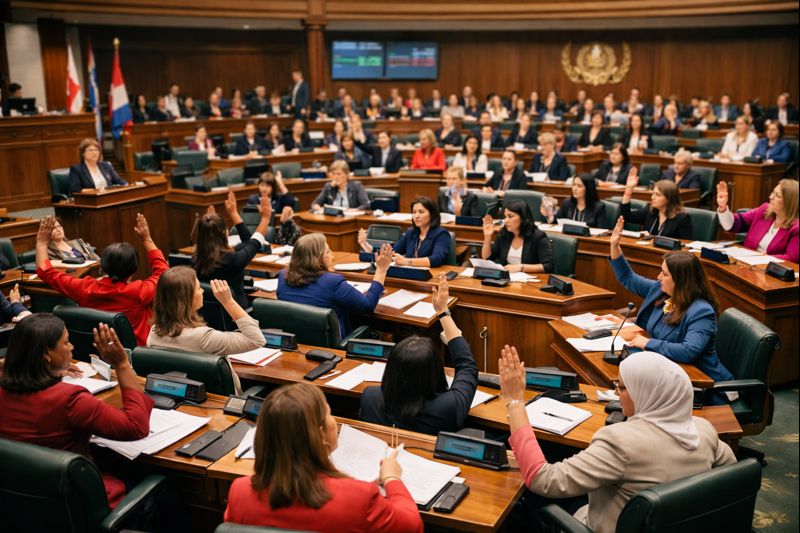
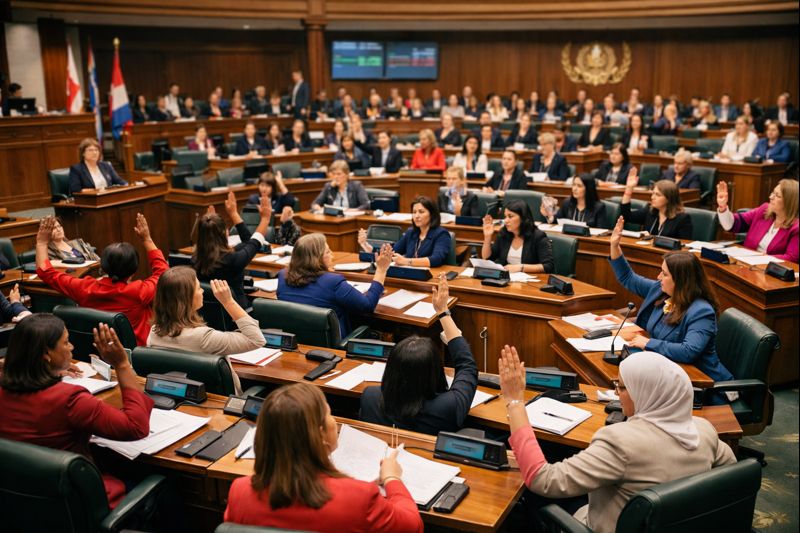
Research consistently shows that women legislators introduce and pass more bills related to healthcare access, education reform, child welfare, labor protection, and climate resilience. These are not “soft issues”; they are economic bedrocks. A healthier population is more productive. An educated workforce is more innovative. Social protection reduces intergenerational poverty. When governance mirrors lived realities, economies respond with vitality.
The World Bank has repeatedly affirmed that gender-inclusive political institutions correlate with higher GDP growth and stronger public trust. This is not coincidence it is causation shaped by inclusive vision.
The Economics of Empathy: Why Women Govern Differently
“The question isn’t whether women can lead. It’s whether the world can afford not to let them.” – Christine Lagarde
Women in politics often lead through empathetic pragmatism, a leadership style forged through lived experience rather than inherited privilege. This does not mean women are less decisive; rather, their decisiveness is rooted in foresight.
Empirical studies from the International Monetary Fund reveal that countries with higher female political participation experience lower income inequality and greater economic stability. Women policymakers are more likely to invest in public goods, regulate corruption, and prioritise sustainable fiscal planning. These policies do not yield instant applause but they yield enduring prosperity.
Where men historically governed economies as machines, women increasingly govern them as ecosystems, understanding that growth without equity is fragile and that profit without people is perilous.
From Quotas to Quantum Shifts: Representation as Economic Infrastructure
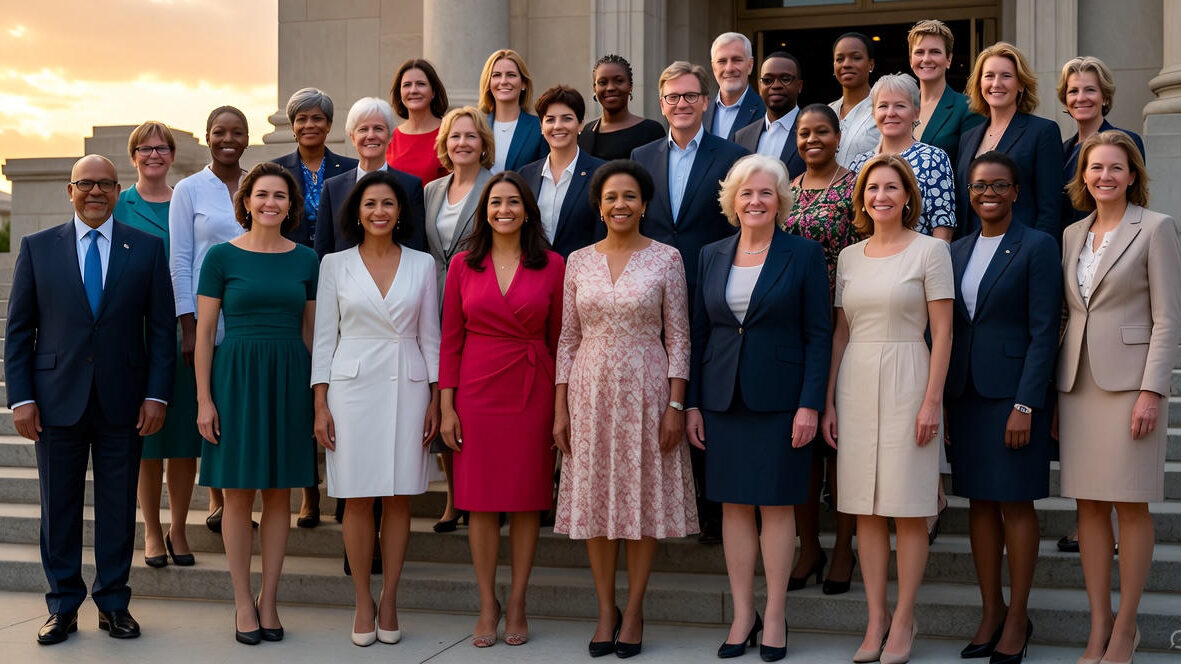
For decades, gender quotas were dismissed as tokenism. Today, they are recognised as economic accelerators. Nations like Rwanda, Iceland, Finland, and New Zealand where women hold significant political power consistently outperform peers on indicators of human development, innovation, and social mobility.
In Rwanda, where women constitute over 60% of parliament, post-conflict reconstruction prioritised education, healthcare, and inclusive entrepreneurship. The result was not just political stability but one of Africa’s fastest-growing economies. Representation became infrastructure quietly sustaining progress.
Political presence enables policy persistence. When women shape laws, they protect investments in social capital across electoral cycles. This continuity is priceless in fragile economies.
Policy to Paychecks: How Women in Power Expand the Workforce
Economic growth is not abstract it is measured in jobs created, wages earned, and futures secured. Women policymakers consistently champion policies that expand workforce participation, particularly for women and marginalised communities.
Paid parental leave, affordable childcare, equal pay legislation, and flexible labor laws are often advanced by women leaders. These policies are not ideological they are economically strategic. According to the OECD, increasing women’s workforce participation could boost global GDP by up to $12 trillion by 2030.
When women legislate, barriers fall. When barriers fall, labor markets expand. And when labor markets expand, economies breathe.
Governance with Integrity: Women and the Economics of Trust
“Corruption is a tax on the poor.” – Transparency International
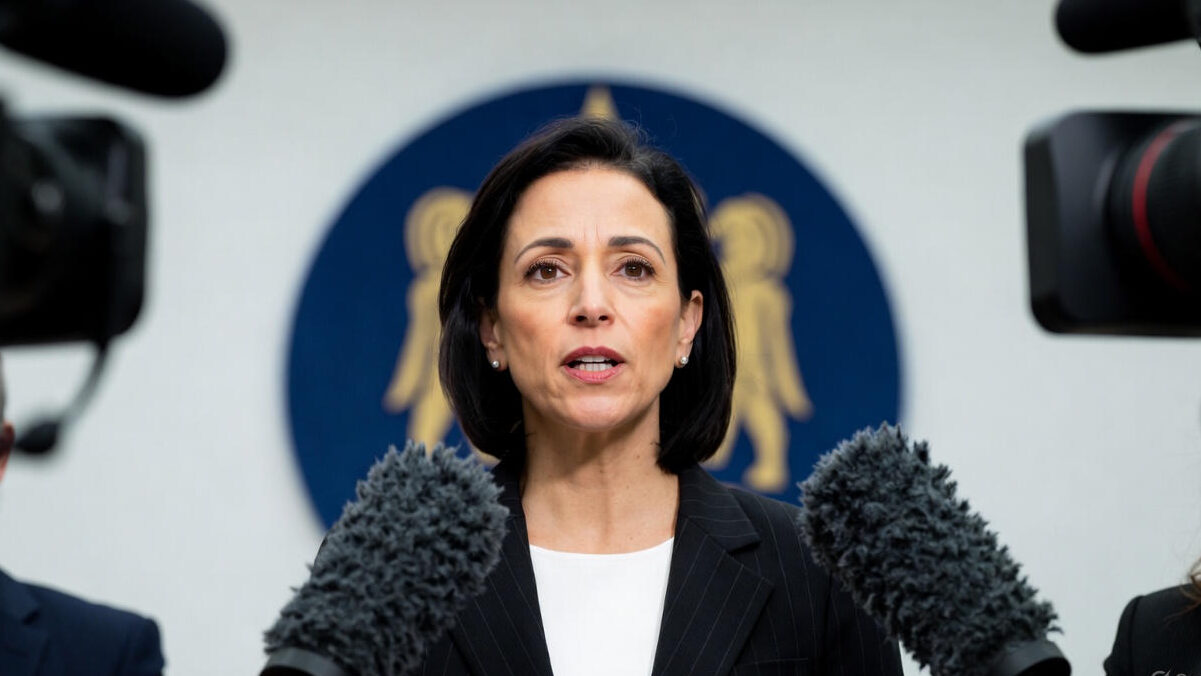
Trust is the invisible currency of economic systems. Where corruption thrives, investment flees. Multiple global studies demonstrate that women in political office are associated with lower levels of corruption and higher government accountability.
This is not a claim of moral superiority but a reflection of structural reality. Women leaders often rise through grassroots mobilisation rather than elite patronage, making them more accountable to citizens than to power brokers. Transparency becomes survival, not strategy.
Economies governed with integrity attract investment, stimulate entrepreneurship, and protect public resources. In this sense, women’s leadership is not just ethical, it is fiscally intelligent.
Global South, Global Shift: Women Leaders Redefining Development
In the Global South, where economic disparities intersect with gender inequality, women in politics are orchestrating profound change. Leaders like Jacinda Ardern, Ellen Johnson Sirleaf, Tsai Ing-wen, and Sanna Marin exemplify how inclusive leadership drives resilient economies, even in crisis.
From pandemic response to climate policy, women leaders demonstrated agility, compassion, and data-driven governance. Countries led by women experienced lower COVID-19 mortality rates and faster economic recovery, according to studies published in The Lancet and World Economic Forum.
These outcomes were not accidents. They were the dividends of leadership that values human life as economic capital.
The Intergenerational Dividend: When Girls See Power
Representation transcends policy it reshapes aspiration. When girls witness women shaping laws and leading nations, their perception of possibility expands. This psychological shift has measurable economic consequences.
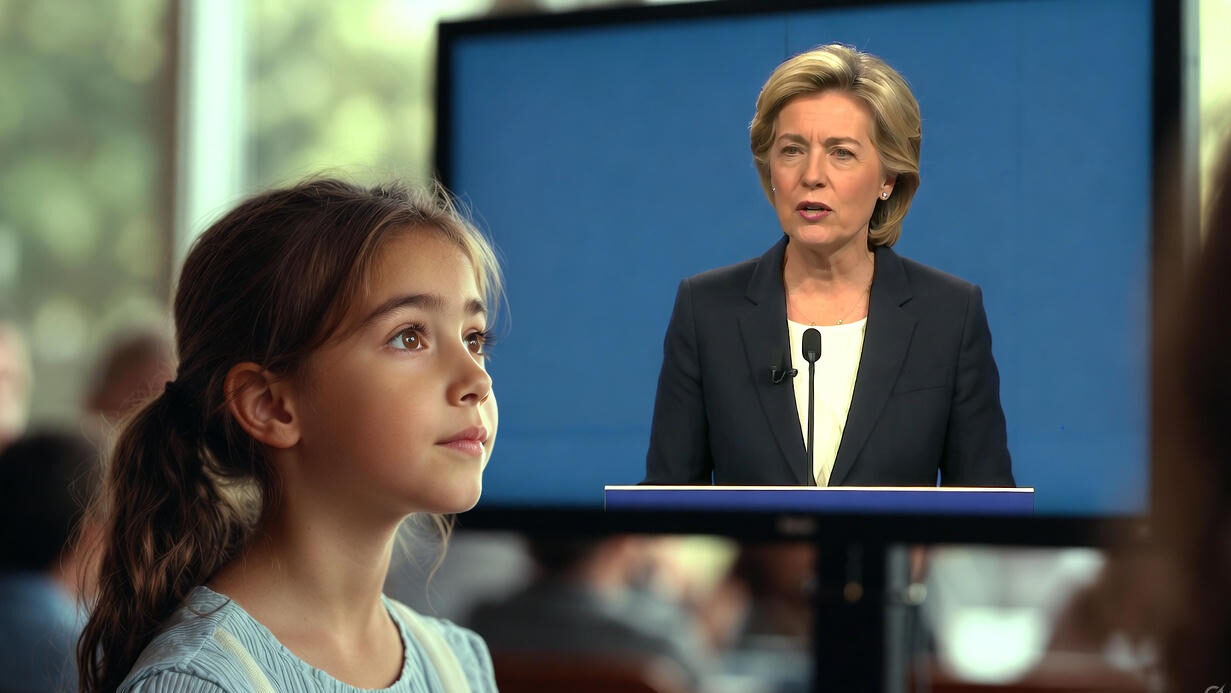
Girls educated in societies with women leaders are more likely to pursue higher education, enter the workforce, and engage civically. This creates an intergenerational growth loop, where political inclusion today fuels economic prosperity tomorrow.
As economist Esther Duflo notes, empowering women politically creates a ripple effect that restructures household economics, community development, and national growth trajectories.
Beyond Symbolism: The Renaissance We Cannot Delay
“There is no tool for development more effective than the empowerment of women.” – Kofi Annan
The global economy stands at a crossroads. Automation, climate change, demographic shifts, and geopolitical instability demand leadership that is adaptive, inclusive, and visionary. Women in politics offer precisely this synthesis.
This is not about replacing men, it is about rebalancing power. It is about recognising that economies flourish when leadership reflects humanity in its fullness. Representation is not the destination; it is the ignition point.
A renaissance is underway not of art or empire, but of governance rooted in equity and growth. To stall it would be economically irresponsible. To accelerate it is a collective obligation.
The Future Is Governed, Grown, and Guarded by Women
The evidence is undeniable. Women in politics fuel economic growth not despite their leadership style, but because of it. They govern with foresight, legislate with integrity, and invest in people as the true engines of prosperity.
As nations strive toward sustainable development and inclusive economies, one truth becomes luminous: representation is not charity – it is strategy. From parliament floors to policy frameworks, women are not waiting to be invited into power. They are already transforming it.
The renaissance has begun. The only question is whether the world will rise fast enough to meet it.
For more understanding –
- World Bank – Women, Business and the Law
https://www.worldbank.org/en/programs/women-business-and-the-law - International Monetary Fund – Gender Equality and Economic Growth https://www.imf.org/en/Topics/Gender
- OECD – Gender Equality and Economic Empowerment https://www.oecd.org/gender/
- World Economic Forum – Global Gender Gap Report https://www.weforum.org/reports/global-gender-gap-report
- UN Women – Women’s Leadership and Political Participation https://www.unwomen.org/en/what-we-do/leadership-and-political-participation
- The Lancet – COVID-19 Outcomes and Women Leadership https://www.thelancet.com