
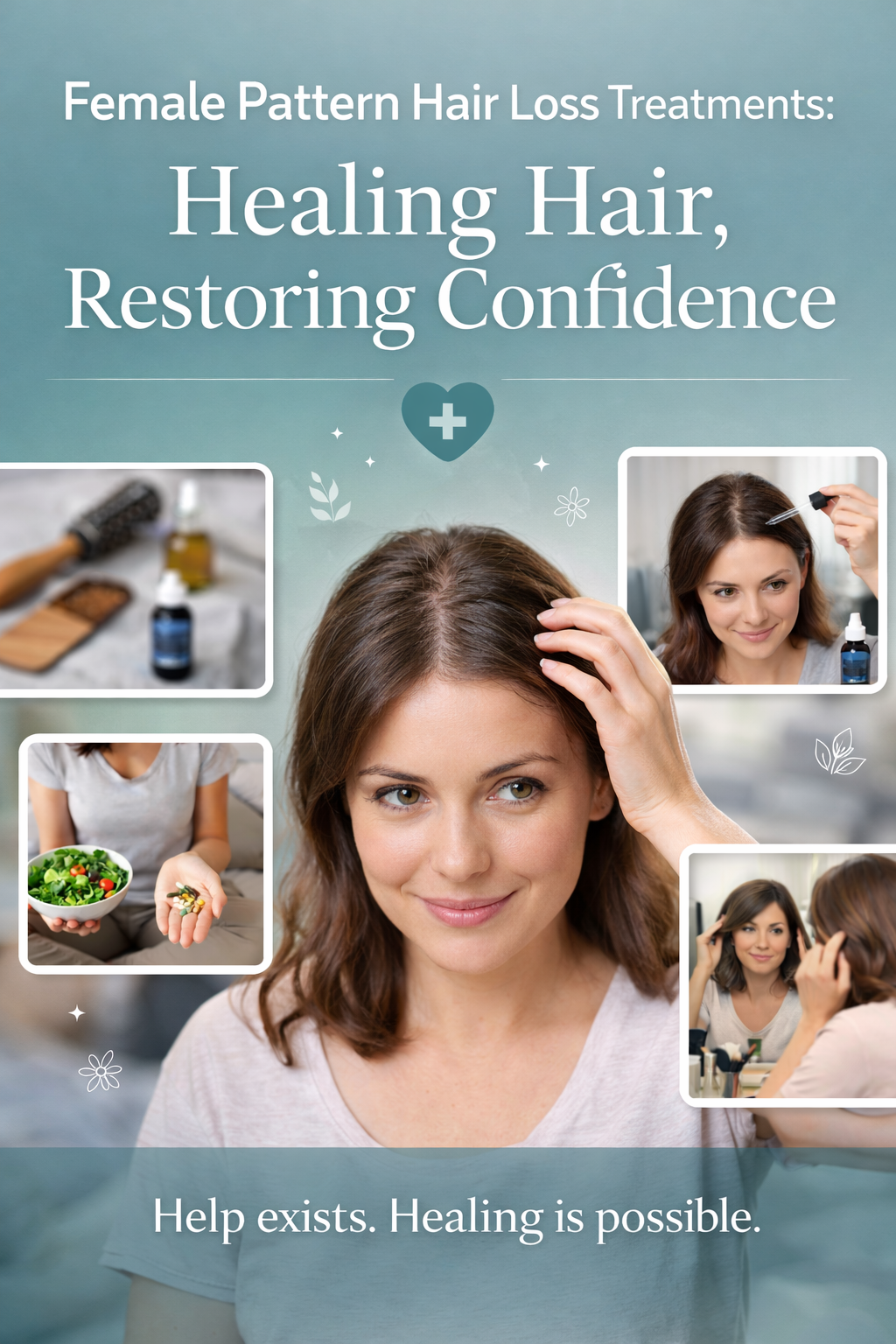
Introduction: When Hair Loss Touches a Woman’s Identity
Hair has always carried meaning for women. Across generations, cultures have braided pride, femininity, and self-expression into every strand. Traditionally, thick hair symbolized health and vitality, while hair rituals were passed down like heirlooms. Yet, modern women increasingly face a quiet, unsettling reality—gradual hair thinning that does not fit these inherited images.
Female pattern hair loss (FPHL) arrives subtly. A widening part, a lighter ponytail, or excessive strands on the pillow slowly raise concern. Therefore, it demands not panic, but understanding. With informed care, gentle treatments, and patient consistency, women can address hair loss thoughtfully—honoring the past while embracing scientific progress.
Understanding Female Pattern Hair Loss
Female pattern hair loss differs from sudden shedding. It develops gradually and primarily affects the crown and central scalp. Unlike male baldness, women rarely lose hair completely. Instead, density diminishes, and volume fades over time.
Most often, hormonal shifts, genetics, aging, and metabolic changes play a role. Importantly, this condition is common, yet frequently misunderstood. Many women blame stress alone or assume hair loss is inevitable. However, a questioning approach reveals that timely intervention can slow progression and, in many cases, restore visible fullness.
Early Signs Women Should Not Ignore
Hair loss rarely announces itself loudly. Instead, it whispers. Women may notice their scalp becoming more visible under bright light or feel that hairstyles no longer hold shape. Additionally, hair may feel finer and weaker, breaking easily during grooming.
Recognizing these early signs matters. The earlier treatment begins, the better the response tends to be. Therefore, observation—once a traditional form of self-care—remains relevant even today.
Why Gentle Treatments Matter
Women’s hair and scalps respond best to patience rather than aggression. Harsh chemicals, extreme procedures, and unrealistic promises often worsen thinning. Gentle treatments respect the scalp’s biology and support long-term health.
Moreover, hair loss can deeply affect emotional well-being. Thus, treatments should heal both scalp and spirit. A calm, measured approach reduces anxiety and restores a sense of control.
Medical Treatments: Science with Sensitivity
Modern medicine offers several evidence-based treatments for female pattern hair loss. When guided by professionals, these options can be both safe and effective.
Topical Minoxidil
Minoxidil remains one of the most widely recommended treatments. Applied directly to the scalp, it improves blood flow to hair follicles and prolongs the growth phase.
Consistency is key. Results appear gradually over months, not weeks. Although initial shedding may occur, it often signals new growth. Used correctly, minoxidil offers a reliable foundation for treatment.
Oral Medications
In selected cases, doctors may prescribe oral medications to address hormonal contributors. These treatments require careful monitoring and are not suitable for everyone.
Therefore, professional guidance remains essential. Tradition reminds us that remedies must be tailored, not blindly adopted.
Hormonal Balance and Its Role
Hormonal fluctuations influence hair health profoundly. Conditions such as polycystic ovary syndrome (PCOS), thyroid disorders, and menopause often coincide with hair thinning.
Addressing the root cause strengthens treatment outcomes. Blood tests, medical evaluations, and personalized care plans help restore internal balance. When hormones stabilize, hair often responds positively.
Nutritional Support: Feeding Hair from Within
Hair reflects internal health. Without adequate nutrients, even the best external treatments struggle. Iron deficiency, low protein intake, and vitamin imbalances commonly contribute to thinning.
A diet rich in whole grains, lean proteins, healthy fats, fruits, and vegetables supports hair growth naturally. Iron, zinc, biotin, and vitamin D play particularly important roles.
Rather than chasing supplements indiscriminately, women should seek informed guidance. Nourishment, when approached traditionally and thoughtfully, remains one of the most powerful treatments.
Scalp Care: The Forgotten Foundation
Healthy hair begins at the scalp. Over time, product buildup, pollution, and inflammation weaken follicles. Gentle scalp care restores balance and encourages growth.
Regular cleansing with mild shampoos, occasional exfoliation, and soothing oils improve circulation. Scalp massages, an age-old practice, stimulate follicles while calming the nervous system.
Thus, ancient wisdom and modern dermatology quietly align.
Natural and Botanical Remedies
Many women turn to natural solutions, drawn by tradition and cultural memory. Oils such as rosemary, coconut, castor, and argan have long histories of use.
While natural remedies alone may not reverse advanced hair loss, they can strengthen strands, reduce breakage, and improve scalp health. Used alongside medical treatments, they offer supportive care without harsh side effects.
Skepticism remains healthy here. Results depend on consistency and realistic expectations, not folklore alone.
Low-Level Laser Therapy (LLLT)
Technology has introduced gentle, non-invasive options such as low-level laser therapy. These devices stimulate cellular activity in hair follicles using light energy.
Although results vary, many women experience reduced shedding and improved density over time. When used consistently and correctly, LLLT serves as a modern complement to traditional treatments.
Hair Care Habits That Protect Thinning Hair
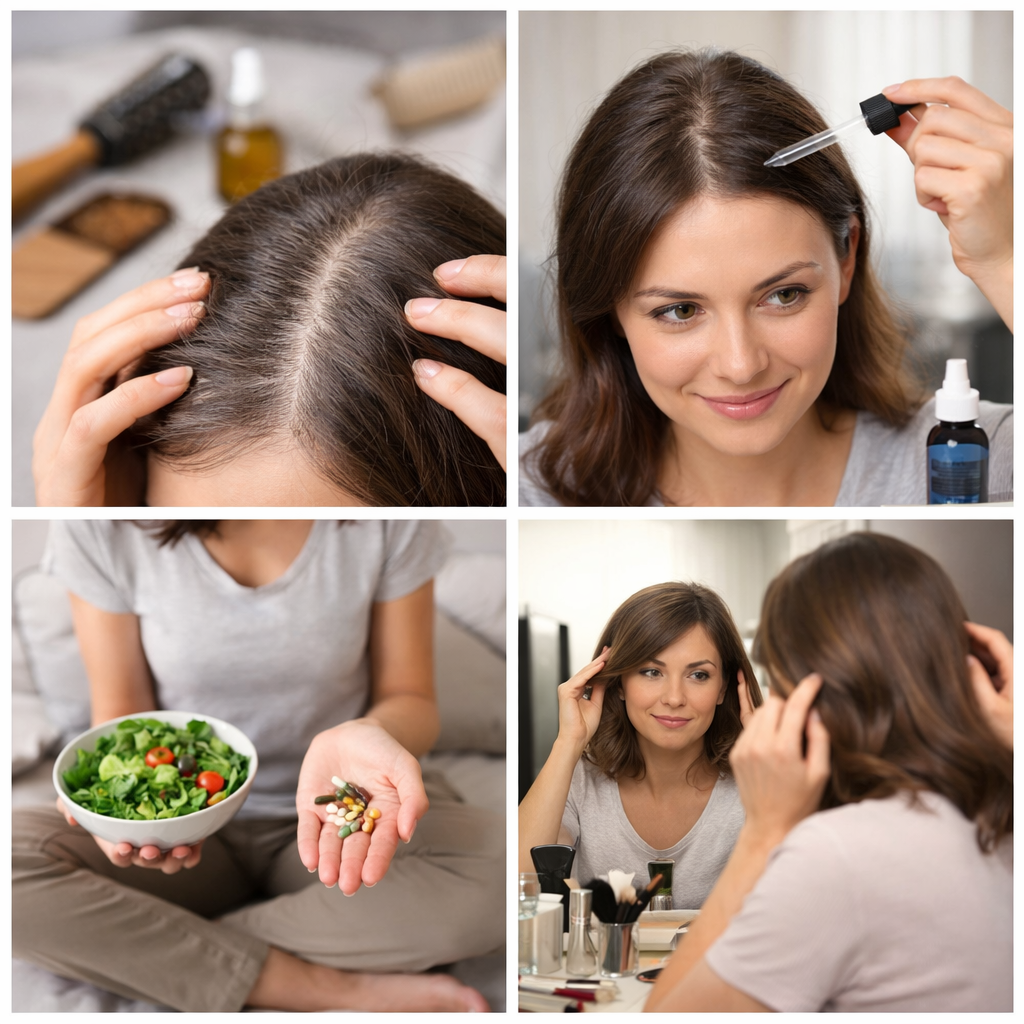
Daily habits significantly influence hair health. Tight hairstyles, excessive heat, and aggressive brushing weaken already fragile strands.
Gentler practices—loose styles, air drying, wide-tooth combs, and minimal chemical processing—preserve hair integrity. Small changes, practiced daily, yield meaningful long-term benefits.
Traditionally, women protected their hair as something precious. That mindset remains relevant.
Emotional Impact of Hair Loss
Hair loss often carries emotional weight that extends beyond appearance. Women may feel diminished, anxious, or less confident. Society’s silence around female hair loss deepens this distress.
Acknowledging these emotions matters. Support from friends, professionals, or peer groups helps women navigate the psychological impact with dignity.
Healing, after all, is never purely physical.
Counseling and Support Networks
For some women, hair loss triggers deeper self-esteem challenges. Counseling offers a safe space to process these feelings and rebuild confidence.
Support networks—both in-person and online—remind women they are not alone. Shared experiences foster resilience and reduce shame.
Community, as tradition teaches, remains a powerful healer.
Cosmetic Solutions: Restoring Confidence While Healing
While treatments take time, cosmetic options provide immediate relief. Hair fibers, volumizing products, strategic haircuts, and wigs or toppers help women feel presentable and empowered.
These tools do not represent defeat. Instead, they allow women to live fully while pursuing long-term solutions.
Dignity lies in choice, not endurance.
When to Seek Professional Help
Persistent or rapid hair loss deserves medical attention. Dermatologists and trichologists offer diagnostic clarity and tailored treatment plans.
Early consultation prevents unnecessary progression. Therefore, women should not wait for hair loss to become severe before seeking help.
As with all health matters, timely action reflects wisdom, not fear.
Patience: The Most Overlooked Treatment
Hair grows slowly. Therefore, progress unfolds quietly. Many women abandon treatments too soon, discouraged by delayed results.
Patience transforms effort into outcome. Consistency, trust in the process, and measured expectations sustain motivation.
In a fast-paced world, patience itself becomes a form of care.
Embracing a Forward-Thinking Perspective
Female pattern hair loss challenges outdated ideals of beauty and femininity. By addressing it openly, women reshape these narratives.
Treatment is not about restoring youth but preserving health and confidence. With science, tradition, and compassion working together, women can face hair loss with strength rather than silence.
Conclusion: Gentle Care, Enduring Strength
Female pattern hair loss does not define a woman, yet it deserves thoughtful attention. Through gentle treatments, informed choices, and emotional support, women can protect their hair and reclaim confidence.
Honoring time-tested practices while embracing modern solutions creates balance. Healing emerges not from haste, but from care—steady, respectful, and deeply human.
For every woman noticing thinning hair, know this: help exists, progress is possible, and your worth has never depended on a single strand.
For skin care visit:
https://shebreaksbarriers.org/wp-admin/post.php?post=210&action=edit