
“The strength of a nation is reflected in the health of its mothers.” – Jawaharlal Nehru
Economic progress does not begin in boardrooms or stock exchanges. Instead, it begins in clinics, maternity wards, and community health centres where women receive care during pregnancy and childbirth. Maternal healthcare shapes how families remain stable, how women stay economically active, and how nations build resilience. When mothers receive quality care, economies grow stronger, fairer, and more sustainable.
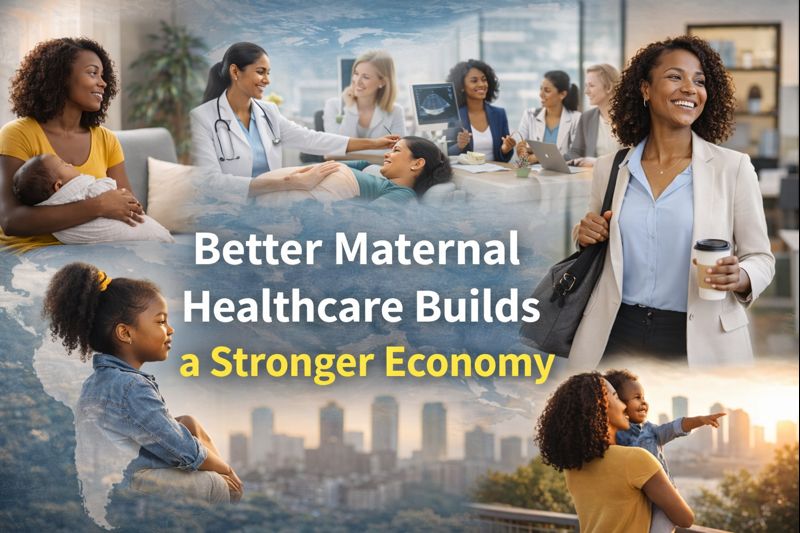
Better maternal healthcare builds a stronger economy because it protects women at a decisive moment in life. It preserves household income, sustains employment, and strengthens the foundation of future generations. Therefore, maternal health is not only a social responsibility. It is sound economic strategy.
Where Economic Strength Truly Begins
Maternal healthcare influences the earliest stage of human capital development. Healthy pregnancies reduce complications, lower mortality rates, and prevent long-term disability. As a result, women remain active contributors to the workforce and to economic life.
Moreover, accessible and affordable care protects families from crushing medical debt. Households avoid sudden financial shocks. Consequently, savings remain intact and productivity stays stable. In this way, maternal healthcare quietly safeguards national income and economic continuity.
Safe Motherhood and Workforce Stability

Pregnancy should never end a woman’s career. Yet, inadequate maternal healthcare still disrupts employment for millions of women worldwide. This outcome reflects policy gaps rather than personal choice.
When healthcare systems provide consistent prenatal, delivery, and postnatal care, women return to work healthier and more confident. As a result, businesses retain experienced employees. In addition, workforce turnover declines and productivity improves. Therefore, maternal healthcare strengthens labour markets as well as families.
Women also reinvest income into education, nutrition, and community well-being. Consequently, the economic benefits of maternal healthcare extend across generations.
The Economic Cost of Unequal Maternal Care
Maternal healthcare inequality weakens economies. Women in rural regions, low-income households, and informal work sectors face higher risks and fewer services. Consequently, economic and social inequality deepens.
When a mother experiences severe illness or death, families lose income and security. Children may leave school. Healthcare expenses rise. Over time, these losses accumulate and slow national development. Ignoring maternal health inequity is not only unjust; it is economically damaging.
Healthcare Systems as Economic Infrastructure
Maternal healthcare functions as economic infrastructure. Clinics, trained health professionals, referral systems, and affordable insurance enable women to participate fully in society.
Research consistently shows that investment in maternal healthcare delivers strong economic returns. These gains appear through higher productivity, lower emergency care costs, and healthier future workers. Therefore, healthcare spending strengthens economic resilience rather than draining public resources.
Mental Health, Dignity, and Economic Agency

Maternal healthcare extends beyond physical survival. Mental well-being, respectful treatment, and informed consent directly affect economic participation.
Postpartum depression and trauma often remain untreated. However, when healthcare systems provide compassionate mental health support, women recover faster. As a result, they return to work with confidence and stability. Dignity in healthcare strengthens dignity in economic life.
Policy Decisions That Shape Prosperity
Economic outcomes reflect policy choices. Governments that invest in maternal healthcare reduce long-term public costs and increase workforce participation. Consequently, economic growth becomes more inclusive and sustainable.

Employers also play a critical role. Companies that support maternal health through healthcare benefits and flexible work policies retain talent and improve performance. Therefore, maternal healthcare is a shared responsibility across public and private sectors.
A Global View of Growth and Care
Across regions, countries with lower maternal mortality rates often experience stronger and more stable economic growth. This pattern appears consistently across income levels.
In developing economies, better maternal healthcare accelerates poverty reduction and gender equality. In developed nations, it helps address labour shortages and productivity decline. Thus, maternal health matters everywhere.
As economist Amartya Sen observed, “Development is freedom.” Safe motherhood expands that freedom for women and societies alike.
Maternal Healthcare as Economic Strategy
Maternal healthcare deserves recognition as economic strategy, not charity. It protects labour supply, reduces poverty, and strengthens future generations.
When nations invest in maternal health, they invest in economic continuity. Growth becomes resilient, inclusive, and future-ready.
Choosing Growth Through Care

Maternal healthcare reflects a society’s priorities. Economies that value mothers value long-term stability and shared progress.
Better maternal healthcare saves lives. More importantly, it strengthens economies and secures the future. When mothers thrive, nations prosper.
“There is no greater investment than investing in those who give life.”
For more Understanding –
- World Health Organization (WHO): Maternal Health and Economic Development
- World Bank: Investing in Maternal and Reproductive Health