
Introduction
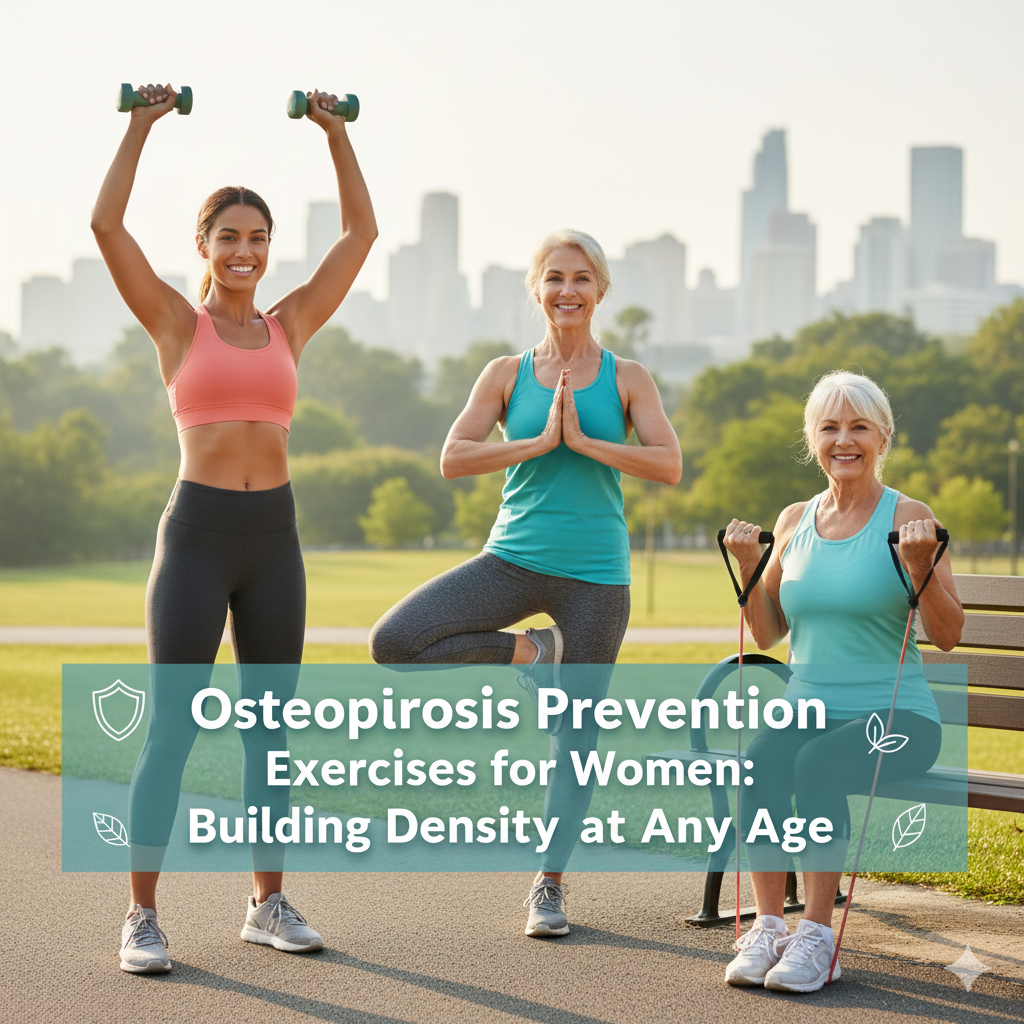
Women everywhere prioritize strong bones for a vibrant, independent life. Osteoporosis threatens that strength, often quietly, yet it is not an inevitable fate. With informed choices and purposeful movement, women can confront bone loss directly. No matter your age, you can begin strengthening your bones today.
This comprehensive guide walks you through effective exercises for osteoporosis prevention and management, while offering practical strategies to reduce fracture risk and maintain lifelong mobility. By acting early and consistently, women preserve not just bone density—but confidence and freedom.
Understanding Osteoporosis in Women
To begin with, osteoporosis weakens bones silently. It develops when bone breakdown outpaces bone formation, leaving the skeleton fragile and porous. As a result, fractures occur easily, especially in the hips, wrists, and spine.
Women face a higher risk than men, largely due to hormonal changes. Menopause accelerates bone loss as estrogen levels decline sharply, thinning bones at an alarming rate. Pregnancy and breastfeeding may temporarily draw calcium from bones, while smaller skeletal frames further heighten vulnerability. Additionally, factors such as family history, low body weight, smoking, or poor nutrition compound the risk.
🔗 https://www.niams.nih.gov/health-topics/osteoporosis
However, this is where hope enters. Bones are living tissue. They respond—remarkably—to positive stress. When challenged correctly, they adapt and strengthen. Therefore, understanding osteoporosis becomes the first step toward reversing its trajectory.
Benefits of Exercise for Bone Health
Most importantly, exercise is one of the most powerful tools for bone preservation. Movement stimulates osteoblasts—the cells responsible for building bone—leading to improved density over time.
Weight-bearing exercises activate gravity’s pull, encouraging bones to grow stronger. Meanwhile, resistance training applies muscular tension, reinforcing skeletal structure. Beyond bone density, exercise also improves posture, coordination, and muscle strength—key factors in preventing falls, the leading cause of fractures.
🔗 https://www.mayoclinic.org/diseases-conditions/osteoporosis/in-depth/osteoporosis/art-20045869
Moreover, regular physical activity enhances mood, energy, and overall resilience. Consistency, rather than intensity, yields lasting results. Begin gently, progress steadily, and always warm up to protect joints and muscles.
Weight-Bearing Exercises for Osteoporosis
To start, weight-bearing exercises form the foundation of bone health routines. These activities force the body to work against gravity, particularly strengthening the hips, legs, and spine.
Walking remains one of the most accessible and effective choices. A brisk 30-minute walk most days significantly improves lower-body bone density. To enhance results, vary speed or incline.
Next, dancing adds both joy and benefit. Styles such as line dancing, Zumba, or traditional dance incorporate stepping, hopping, and turning—gentle yet effective bone-loading movements. Additionally, group classes foster motivation and consistency.
Stair climbing offers another powerful option. Whether using household stairs or a stair machine, this activity strengthens legs and core muscles. Begin with short intervals and hold rails for balance.
Even gardening contributes meaningfully. Digging, lifting pots, and pulling weeds mimic functional movements while providing sunlight exposure for vitamin D synthesis.
🔗 https://www.bones.nih.gov/health-info/bone/osteoporosis/prevention/exercise
Strength Training Exercises
Equally important is strength training, which builds muscle mass while stimulating bone growth. These exercises apply controlled stress to bones through muscle contraction.
For instance, squats strengthen hips and thighs—critical areas for fracture prevention. Begin with bodyweight before adding resistance. Similarly, lunges enhance balance and mirror daily walking movements.
Upper-body strength matters too. Rows and push-ups reinforce the spine, shoulders, and arms, improving posture and reducing spinal compression. Resistance bands or light dumbbells work well for beginners.
For gym-goers, leg press machines offer safe, guided resistance for lower-body strength. Always prioritize proper form and gradual progression.
🔗 https://www.nof.org/preventing-fractures/prevention/exercise-for-strong-bones/
Train two to three times weekly, allowing recovery days. Remember—bones rebuild during rest, not just effort.
Balance and Flexibility Exercises
While strength builds bone, balance prevents fractures. Since most osteoporotic injuries result from falls, stability training is indispensable.
Practices such as tai chi improve coordination through slow, deliberate movements. Studies consistently show reduced fall risk among practitioners.
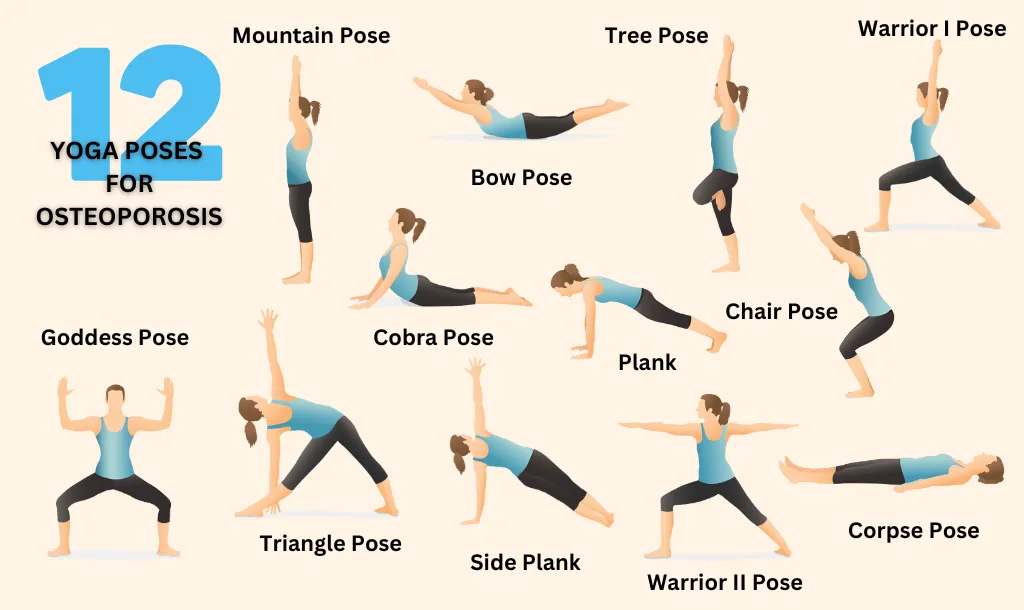
Similarly, yoga enhances balance, flexibility, and muscle control. Poses like Tree or Warrior challenge stability while strengthening the lower body. However, women with osteoporosis should avoid deep twists or forward bends.
Gentle stretching maintains joint mobility and reduces stiffness, supporting safer movement patterns.
🔗 https://www.health.harvard.edu/staying-healthy/exercises-to-improve-bone-health
Tailoring Exercises by Age
Importantly, exercise strategies should evolve with age.
- In your 20s–30s, focus on building peak bone mass with high-impact activities like running or jump rope.
- In your 40s–50s, as perimenopause approaches, combine strength training with weight-bearing cardio and stress-reducing practices.
- Over 60, prioritize safety: walking, resistance bands, chair exercises, and balance training become essential.
At every stage, listening to your body is paramount. Progress slowly, and seek professional guidance if pain or instability arises.
Nutrition and Lifestyle Support
Exercise thrives on proper nourishment. Calcium-rich foods—such as dairy, leafy greens, and fortified alternatives—form the backbone of bone nutrition. Meanwhile, vitamin D ensures calcium absorption, whether sourced from sunlight, fish, or supplements.
🔗 https://www.niams.nih.gov/health-topics/calcium-and-vitamin-d-importance-bone-health
Adequate protein supports muscle repair, while limiting caffeine, alcohol, and smoking protects bone integrity. Maintaining a healthy weight further reduces skeletal strain.
Regular health check-ups and bone density screenings help track progress and guide decisions.
Conclusion: Strength Today, Stability Tomorrow
Ultimately, strong bones are not built overnight—but they are built deliberately. By embracing targeted exercises, mindful nutrition, and consistent habits, women can build bone density at any age.
Start today. Move with purpose. Strengthen not only your skeleton, but your confidence and independence. When women move together toward health, osteoporosis loses its power.