
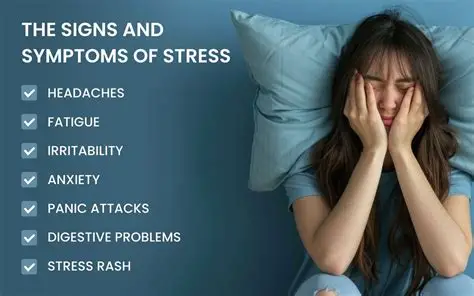
Introduction: When Stress Moves Beyond the Mind
Stress is often spoken of as a mental state, yet its most profound effects unfold within the body—especially the female body. While occasional stress sharpens focus and response, chronic stress quietly reshapes hormones, organs, immunity, and metabolism.
Women experience stress differently due to unique biological rhythms, hormonal cycles, and social roles. Consequently, stress-related symptoms in women often appear earlier, last longer, and affect multiple systems at once.
Understanding how stress physically affects the female body empowers women to recognize early warning signs rather than dismiss them as normal fatigue or emotional weakness. This article explores the science behind stress, its physical manifestations, and practical ways to restore balance.
Understanding Stress: The Body’s Survival Mechanism
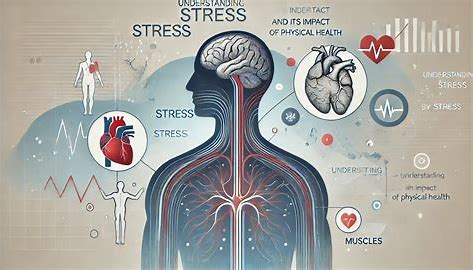
At its core, stress is a survival response. When the brain perceives danger, it activates the hypothalamic-pituitary-adrenal (HPA) axis. In response, the adrenal glands release cortisol and adrenaline.
In short bursts, this response proves useful. It sharpens alertness and mobilizes energy. However, when stress becomes chronic, the same system remains overactive, leading to widespread physical consequences.
Importantly, women’s stress responses interact closely with estrogen and progesterone, amplifying hormonal disruption over time.
Hormonal Imbalance: Stress and the Female Endocrine System
Stress directly interferes with hormonal harmony. Elevated cortisol suppresses reproductive hormones, disrupting ovulation and menstrual regularity.
As a result, many women experience irregular periods, worsened premenstrual symptoms, or missed cycles entirely. In some cases, chronic stress contributes to conditions such as polycystic ovary syndrome (PCOS).
Additionally, stress accelerates estrogen dominance, increasing the risk of fibroids, heavy bleeding, and mood swings. Over time, hormonal imbalance affects fertility, libido, and overall vitality.
Stress and the Menstrual Cycle
The menstrual cycle serves as a sensitive indicator of overall health. Stress alters communication between the brain and ovaries, delaying or suppressing ovulation.
Consequently, cycles may lengthen, shorten, or become unpredictable. Painful cramps and heavy bleeding often intensify during stressful periods.
Notably, adolescents and women approaching menopause are particularly vulnerable to stress-induced cycle disruptions.
Stress and Reproductive Health
Beyond menstruation, chronic stress affects reproductive outcomes. Elevated cortisol reduces progesterone, making implantation less likely.
Moreover, stress influences uterine blood flow, potentially complicating conception. During pregnancy, unmanaged stress increases the risk of preterm labor and low birth weight.
Therefore, stress management forms a critical component of reproductive care.
Metabolism and Weight Changes Under Stress
Stress alters how the female body processes energy. Cortisol increases blood sugar levels, encouraging fat storage—particularly around the abdomen.
At the same time, stress disrupts insulin sensitivity, raising the risk of weight gain and metabolic disorders. Some women experience unexplained weight gain, while others lose weight due to appetite suppression.
Either pattern reflects metabolic imbalance driven by prolonged stress exposure.
Stress and the Immune System
Chronic stress weakens immune defenses. Initially, cortisol suppresses inflammation; however, prolonged exposure leads to immune dysregulation.
As a result, women under constant stress fall ill more frequently and recover more slowly. Autoimmune conditions, which disproportionately affect women, often flare during stressful periods.
This connection underscores the intimate relationship between stress and immune resilience.
Digestive System Disruption
The gut-brain axis plays a central role in stress responses. Stress slows digestion, reduces nutrient absorption, and alters gut microbiota.
Consequently, women may develop bloating, constipation, diarrhea, or irritable bowel syndrome (IBS). Food sensitivities often intensify under stress.
Over time, poor digestion contributes to nutrient deficiencies, compounding fatigue and hormonal imbalance.
Cardiovascular Effects of Stress in Women
Stress increases heart rate and blood pressure. Over time, these changes strain the cardiovascular system.
Notably, women often experience atypical heart symptoms, such as fatigue, jaw pain, or nausea rather than chest pain. Chronic stress raises the risk of hypertension and heart disease.
Managing stress therefore protects long-term heart health.
Stress, Sleep, and Chronic Fatigue
Stress disrupts sleep architecture by keeping cortisol elevated at night. As a result, women struggle to fall asleep or remain asleep.
Poor sleep further increases stress hormones, creating a self-perpetuating cycle. Chronic fatigue, brain fog, and reduced concentration soon follow.
Restorative sleep becomes impossible without addressing underlying stress.
Musculoskeletal Pain and Tension
Stress causes muscles to remain in a constant state of contraction. Over time, this leads to chronic neck, shoulder, and back pain.
Headaches, including tension headaches and migraines, occur more frequently during periods of stress.
Women with fibromyalgia often report symptom flare-ups linked to emotional or psychological stressors.
Stress and Skin Health
The skin reflects internal imbalance. Stress increases oil production and inflammation, triggering acne, eczema, and psoriasis.
Additionally, stress accelerates skin aging by breaking down collagen. Hair thinning and excessive hair shedding also commonly appear.
Thus, chronic stress visibly affects appearance as well as health.
Mental Health and Physical Symptoms
Although stress originates in the brain, its physical manifestations dominate daily experience. Anxiety increases muscle tension and heart rate, while depression slows metabolism and immune function.
Importantly, physical symptoms often appear before emotional awareness, leading women to seek medical help without recognizing stress as the root cause.
Stress During Different Life Stages
Stress affects women differently across life stages. Adolescence brings hormonal sensitivity, making stress particularly disruptive.
During reproductive years, balancing career, family, and social expectations intensifies stress exposure. Menopause introduces hormonal shifts that magnify stress responses.
Recognizing these transitions helps tailor effective stress-management strategies.
Long-Term Health Risks of Chronic Stress
When left unmanaged, stress contributes to chronic illnesses including diabetes, cardiovascular disease, autoimmune disorders, and osteoporosis.
Moreover, chronic inflammation accelerates aging and reduces quality of life.
Early intervention significantly reduces these risks.
Practical Strategies to Reduce Physical Stress Impact
Effective stress management begins with awareness. Regular physical activity lowers cortisol and improves mood.
Balanced nutrition stabilizes blood sugar and supports hormone production. Mindfulness practices reduce nervous system overactivation.
Equally important, adequate sleep restores hormonal balance and immune strength.
Social connection and professional support further enhance resilience.
When to Seek Professional Help
Persistent physical symptoms without clear medical explanation warrant stress evaluation. Irregular periods, chronic pain, digestive issues, or unexplained fatigue should not be ignored.
Healthcare providers can assess hormonal, metabolic, and psychological contributors.
Conclusion: Respecting the Body’s Stress Signals
Stress leaves fingerprints across the female body. These signals serve as warnings, not failures.
By understanding how stress physically affects women, early intervention becomes possible. Through informed choices, supportive care, and intentional recovery, balance can be restored.
Listening to the body is not indulgence—it is wisdom.
Hear your body:
https://shebreaksbarriers.org/wp-admin/post.php?post=743&action=edit