
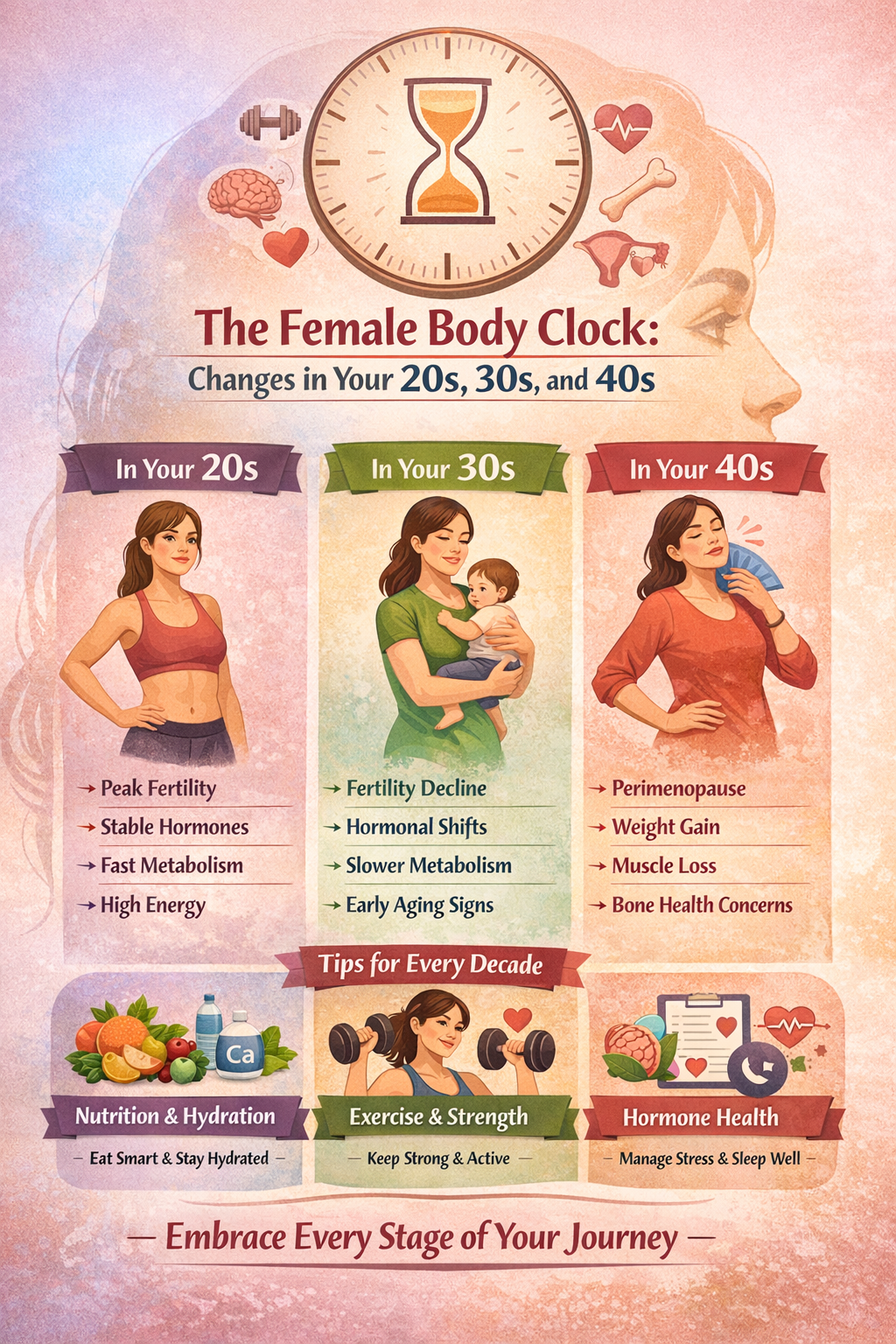
Time never stops, and the female body responds to its rhythm in ways both visible and subtle. While society often frames aging as a loss, understanding the physiological changes in your 20s, 30s, and 40s can empower women to take control of their health, fertility, and overall well-being. Each decade brings unique shifts in hormones, metabolism, and resilience. By observing these transitions carefully, women can make informed choices, embrace their bodies, and navigate life’s changes with confidence and clarity.
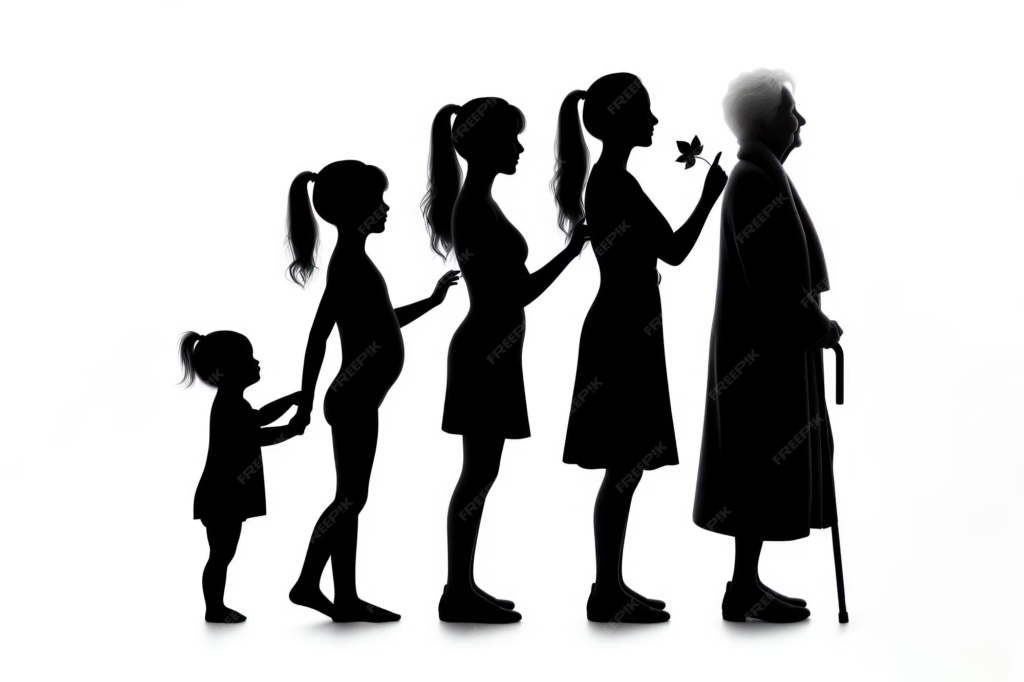
Your 20s: The Decade of Vitality and Foundation
The 20s often feel limitless. Energy levels are high, recovery is quick, and fertility is usually at its peak. However, beneath this apparent invincibility, the body begins to establish patterns that influence later decades.
Hormonal Stability and Reproductive Health
During the 20s, estrogen and progesterone levels remain relatively stable. These hormones regulate menstrual cycles, support bone health, and influence mood. Consequently, regular cycles make it easier to track fertility, and ovulation tends to be predictable. Yet, lifestyle factors such as poor sleep, high stress, or inconsistent nutrition can subtly affect hormonal balance. Therefore, it is essential to build healthy routines early, setting the foundation for long-term women’s health.
Metabolism and Body Composition
Metabolism generally functions efficiently in this decade. The body converts food into energy effectively, making weight management more straightforward for many women. Nevertheless, irregular eating habits or prolonged stress can set the stage for metabolic challenges in later years. Hence, combining a balanced diet with regular physical activity is crucial.
Mental Health and Resilience
Cognitive performance, memory, and emotional resilience peak in the 20s. Transitioning from adolescence to adulthood often brings life-altering decisions about career, relationships, and independence. Therefore, cultivating mindfulness, emotional awareness, and coping strategies in this decade has long-term benefits.
Your 30s: The Decade of Subtle Shifts
In the 30s, the body begins to change in ways that are often gradual yet significant. Fertility slowly declines, metabolism begins to shift, and hormonal fluctuations can subtly affect mood, energy, and physical endurance.
Fertility and Reproductive Changes
Ovarian reserve gradually diminishes during the 30s. While many women remain fertile, egg quality starts to decline around age 32, and the risk of chromosomal abnormalities increases gradually. Therefore, fertility awareness and regular gynecological check-ups become increasingly important for those considering pregnancy.
Hormonal Fluctuations
Estrogen and progesterone levels can fluctuate more noticeably in the 30s. Consequently, many women experience premenstrual symptoms, mild mood swings, or irregular cycles. These changes are natural, yet they can be amplified by lifestyle factors such as stress, poor sleep, and inadequate nutrition.
Metabolism and Muscle Mass
Muscle mass starts to decrease gradually, impacting metabolism. Women may notice weight redistribution, often accumulating around the abdomen. Therefore, integrating strength training and protein-rich diets becomes essential to maintain metabolic efficiency and overall vitality.
Skin, Hair, and Bone Health
Collagen production decreases slightly, leading to early signs of fine lines and reduced skin elasticity. Hair may thin, and bones begin to lose density slowly. Consequently, increasing calcium and vitamin D intake is crucial for maintaining long-term bone health.
Your 40s: The Decade of Transformation
By the 40s, hormonal changes become more pronounced. Perimenopause often begins in this decade, affecting cycles, fertility, and overall health. Understanding these shifts allows women to anticipate challenges and optimize well-being.
Perimenopause and Menstrual Changes
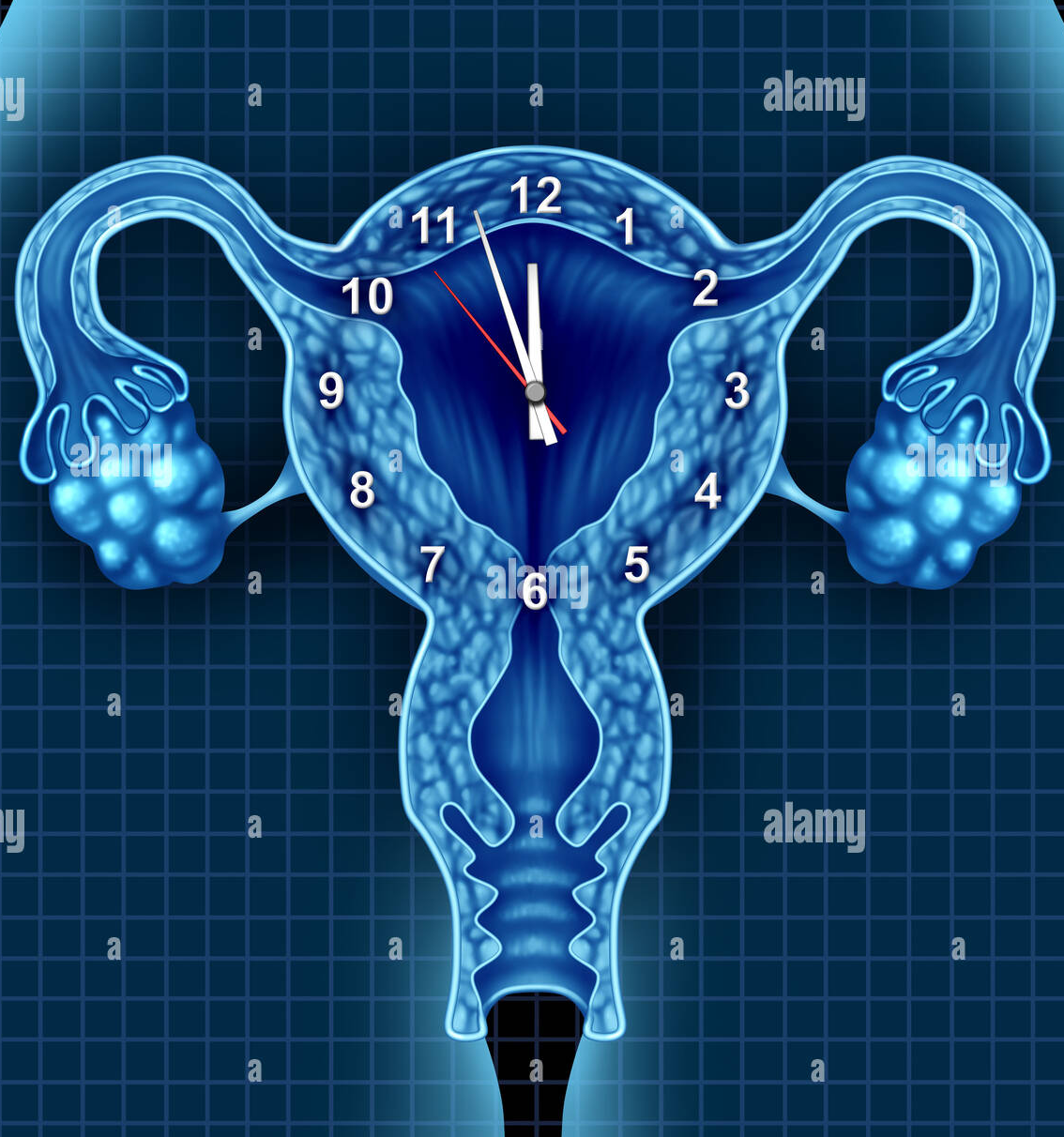
Perimenopause usually begins in the early to mid-40s. As a result, menstrual cycles may become irregular, shorter, or longer than before. Moreover, many women start experiencing hot flashes, night sweats, and mood fluctuations, which often reflect changes in estrogen and progesterone levels. Consequently, these hormonal shifts can affect sleep, energy, and overall well-being. Therefore, early recognition of these changes, along with timely intervention, can help manage symptoms more effectively, ultimately enhancing quality of life and daily functioning.
Metabolic Adjustments
In addition, metabolism slows more noticeably in the 40s, and fat tends to accumulate around the midsection. Furthermore, muscle loss accelerates during this period, requiring more intentional strength training and increased protein intake. Energy levels may also fluctuate more frequently, which underscores the importance of consistent sleep, stress management, and balanced nutrition. By adopting these proactive strategies, women can maintain vitality, support metabolic health, and navigate this decade with greater ease and resilience.
Bone, Heart, and Brain Health
Bone density declines at an accelerated pace without adequate calcium, vitamin D, and weight-bearing exercise. Cardiovascular risk increases due to hormonal shifts, making heart health a top priority. Cognitive changes, including memory lapses or reduced focus, may also appear, emphasizing mental stimulation and lifestyle interventions.
Emotional Resilience and Self-Discovery
The 40s often bring profound self-awareness. Many women reassess priorities, relationships, and personal goals. Emotional resilience is tested, yet the accumulated experience of previous decades equips women to handle challenges with maturity, wisdom, and balance.
Strategies for Every Decade
Although each decade brings unique challenges, women can adopt proactive strategies to optimize health, vitality, and well-being.
Nutrition and Hydration
- 20s: Focus on a balanced diet with sufficient protein, hydration, and nutrients to support energy, fertility, and hormonal balance.
- 30s: Introduce nutrient-dense foods, antioxidants, and fiber to sustain metabolism and hormone regulation.
- 40s: Prioritize calcium, vitamin D, heart-healthy fats, and high-quality protein while moderating processed foods and sugars.
Exercise and Strength
- 20s: Build cardiovascular fitness, flexibility, and foundational strength for long-term health.
- 30s: Incorporate resistance training and targeted exercises to counteract metabolic shifts and maintain muscle mass.
- 40s: Emphasize resistance training, balance work, and low-impact cardio to protect bones, heart, and mobility.
Hormonal and Mental Health Awareness
- Track menstrual cycles and note irregularities.
- Manage stress through mindfulness, meditation, or therapy.
- Schedule regular medical check-ups, including reproductive health, cholesterol, and bone density screenings.
Sleep and Recovery
- Adequate sleep supports hormone balance, metabolism, and cognitive function.
- Consistent sleep routines, power naps, and stress-reduction practices are essential in every decade.
Embracing Your Body Clock
Understanding the female body clock transforms aging from a source of anxiety into a tool for empowerment. Each decade carries its own rhythm, challenges, and opportunities. Women who honor these changes, adapt proactively, and embrace their evolving bodies can maintain vitality, confidence, and health far into later years.
Time is not the enemy. Instead, it becomes a guide. By observing, learning, and responding to the body’s cues, women can thrive in every decade, redefine aging, and celebrate the wisdom that comes with experience.
Conclusion
Your 20s, 30s, and 40s are chapters in a continuous journey of growth, resilience, and self-discovery. Biological changes are inevitable, but knowledge and proactive care transform them into strategies for flourishing. With consistent attention to nutrition, exercise, sleep, and mental well-being, women can navigate each decade with confidence, embrace their changing bodies, and age gracefully while thriving physically, emotionally, and mentally.
Women mental health:
https://shebreaksbarriers.org/wp-admin/post.php?post=376&action=edit