
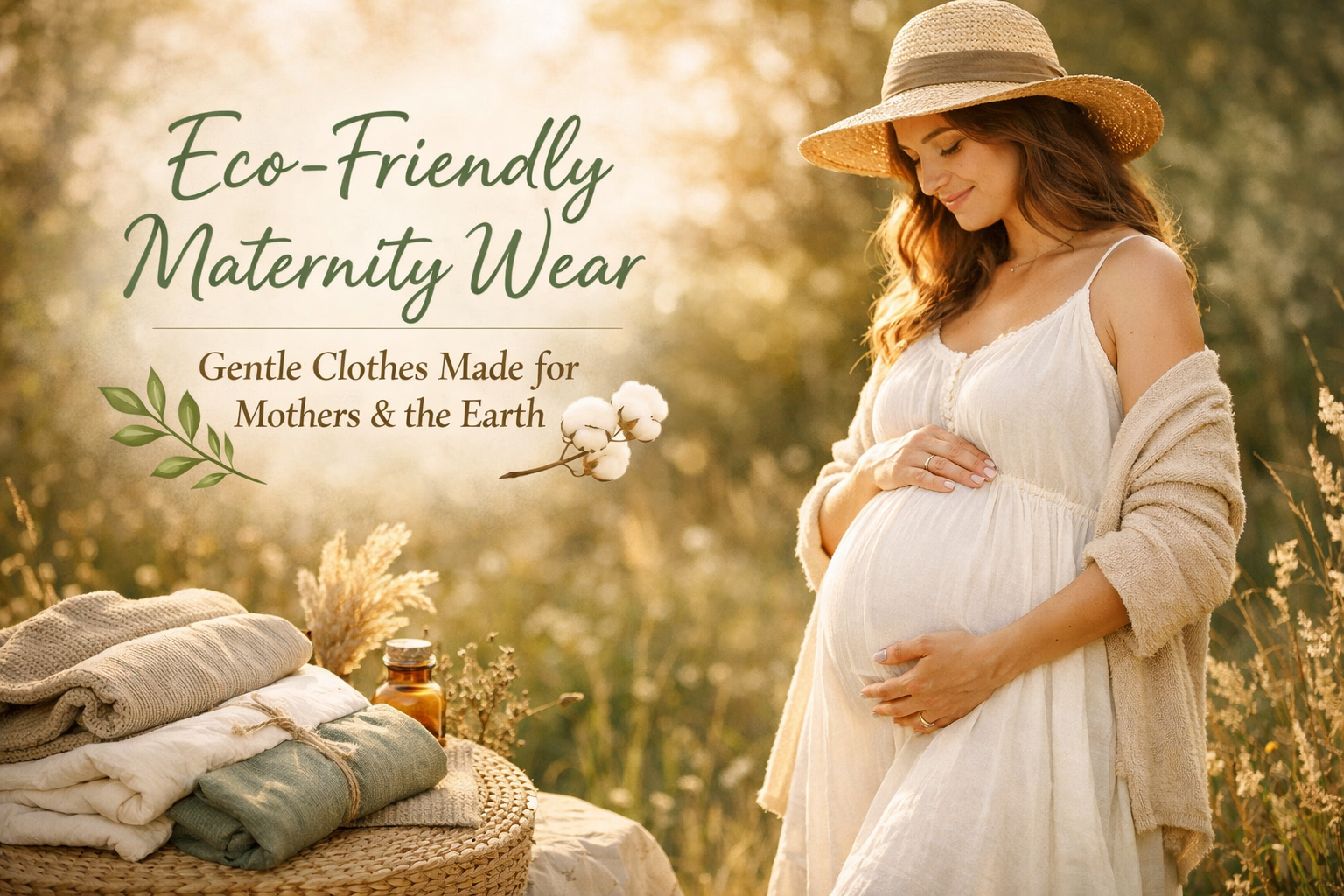
Introduction: Nurturing Life Without Harming the Earth
Pregnancy has always been a sacred passage—one that cultures across centuries have honored with care, modesty, and reverence. Traditionally, expectant mothers relied on loose cotton garments, hand-woven fabrics, and natural dyes, long before sustainability became a fashionable word. Yet, in today’s fast-paced consumer world, maternity wear has often strayed from these roots, leaning toward synthetic fabrics and short-term trends. Now, a quiet but powerful shift is underway. Eco-friendly maternity wear brands are reintroducing wisdom from the past while embracing innovation for the future.
They remind us that caring for a child begins not only with nutrition and rest, but also with conscious choices—choices that protect the planet the child will inherit. Sustainable maternity fashion, therefore, is not merely about clothing. It is about responsibility, legacy, and mindful living.
Why Sustainability Matters During Pregnancy
Pregnancy heightens awareness. A woman becomes acutely conscious of what she eats, breathes, and wears. Consequently, clothing choices deserve the same scrutiny.
Conventional maternity wear often uses chemically treated fabrics, synthetic dyes, and mass-production methods that strain the environment. These processes release toxins into water bodies, degrade soil quality, and expose workers to harmful conditions. From a skeptical standpoint, one must ask—should comfort come at such a high ecological and ethical cost?
Eco-friendly maternity wear answers this question with clarity. Sustainable brands prioritize organic materials, ethical labor, and low-impact manufacturing. As a result, they safeguard not only maternal skin but also environmental health.
Moreover, these garments align with time-tested practices. For generations, women wore breathable, natural fabrics during pregnancy—not because it was fashionable, but because it was sensible. Sustainability, in this sense, is not new. It is a return to wisdom.
What Makes Maternity Wear Truly Eco-Friendly?
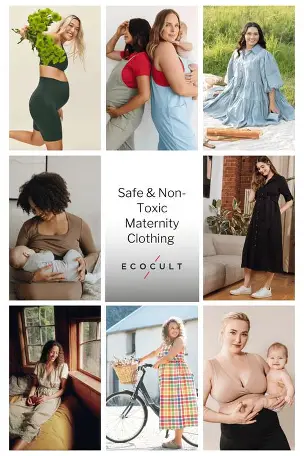
Before exploring brands, it is essential to understand what sustainability genuinely entails. Not every brand using the word “green” follows ethical practices. Therefore, informed discernment becomes crucial.
Natural and Organic Fabrics
Eco-friendly maternity wear relies heavily on organic cotton, bamboo fabric, hemp, Tencel™, and linen. These materials grow with minimal pesticides, require less water, and biodegrade naturally. Additionally, they offer superior breathability—an invaluable feature during hormonal changes.
Non-Toxic Dyes and Finishes
Sustainable brands avoid harsh chemical dyes. Instead, they use low-impact or plant-based dyes that reduce skin irritation and environmental damage. This approach respects both the mother’s body and the ecosystem.
Ethical Production
True sustainability extends beyond fabric. Ethical maternity brands ensure fair wages, safe working conditions, and transparent supply chains. This principle echoes traditional craftsmanship, where makers were valued, not exploited.
Longevity and Versatility
Fast fashion encourages disposability. In contrast, eco-friendly maternity wear emphasizes timeless designs that adapt before, during, and after pregnancy. This longevity reduces waste and honors mindful consumption.
The Rise of Sustainable Maternity Fashion
The growing popularity of eco-friendly maternity wear reflects a broader cultural awakening. Women today question excess. They challenge industries that prioritize profit over people. Furthermore, they seek harmony between comfort, aesthetics, and conscience.
Social media, conscious parenting movements, and climate awareness have amplified this shift. However, the roots run deeper. Historically, maternity clothing was designed to last, often passed down or repurposed. Sustainable fashion simply revives this principle—updated for modern needs.
Thus, eco-friendly maternity brands stand at a crossroads of tradition and innovation. They preserve what has always worked while improving what must change.
Leading Eco-Friendly Maternity Wear Brands to Know
1. Boob Design
This Scandinavian brand exemplifies minimalism, ethics, and functionality. Boob Design uses organic cotton, recycled fibers, and responsible manufacturing processes. Moreover, its garments support breastfeeding, extending usability well beyond pregnancy.
The brand’s philosophy is refreshingly practical. Rather than chasing trends, it focuses on enduring comfort. In doing so, it honors the idea that maternity wear should serve a purpose, not merely a season.
2. Seraphine Sustainable Collection
Seraphine blends elegance with responsibility. While known for royal maternity wear, its sustainable line uses eco-viscose, organic cotton, and low-impact production.
Importantly, the brand proves that sustainability need not sacrifice style. Expectant mothers can embrace grace and glamour while remaining environmentally conscious—a balance long thought impossible.
3. HATCH Collection (Sustainable Range)
HATCH approaches maternity wear with restraint and refinement. Its eco-conscious pieces emphasize durability and post-pregnancy wearability.
By designing clothing that evolves with the body, HATCH challenges the wasteful assumption that maternity clothes have an expiration date. This forward-thinking approach echoes traditional values of reuse and longevity.
4. Bumpsuit (Eco Fabrics Line)
Bumpsuit’s sustainable line prioritizes body-positive design and environmentally responsible fabrics. The brand’s minimalist silhouettes adapt seamlessly to changing bodies.
From a critical perspective, its strength lies in simplicity. There is no excess—only thoughtful design that respects both wearer and planet.
5. MAMA Earth (India-Focused Sustainable Brands)
In India, several homegrown brands champion eco-friendly maternity wear using handloom cotton, khadi, and artisanal techniques. These labels not only reduce carbon footprints but also support local artisans.
Such brands reconnect maternity fashion with cultural heritage. They remind us that sustainability thrives when communities, not factories, form the backbone of production.
Benefits of Eco-Friendly Maternity Wear
Health and Comfort
Natural fabrics reduce the risk of rashes, allergies, and overheating. During pregnancy, when skin sensitivity increases, this benefit becomes indispensable.
Environmental Protection
Sustainable clothing minimizes pollution, conserves water, and reduces landfill waste. Each garment becomes a quiet act of environmental stewardship.
Ethical Assurance
Knowing that clothing was produced ethically fosters peace of mind. Pregnancy already brings emotional complexity; ethical clarity offers grounding reassurance.
Cost-Effectiveness Over Time
Although eco-friendly maternity wear may seem expensive initially, its durability and versatility often make it more economical in the long run.
Styling Sustainable Maternity Wear: Practical Elegance
Eco-friendly maternity fashion favors understated elegance. Neutral palettes, flowing silhouettes, and functional layering dominate these collections.
Rather than excessive accessorizing, sustainable style encourages intentional choices. A well-cut organic cotton dress, for instance, paired with ethical footwear, creates a timeless look that transcends trends.
This approach resonates with traditional aesthetics, where simplicity signified grace. Yet, it also supports a modern vision—one that values authenticity over extravagance.
Challenges in Sustainable Maternity Fashion
Despite its promise, eco-friendly maternity wear faces obstacles. Limited accessibility, higher costs, and greenwashing remain pressing concerns.
However, skepticism plays a vital role here. By questioning labels, researching certifications, and supporting transparent brands, consumers push the industry toward genuine accountability.
Change, after all, has never been effortless. It has always required discernment and patience.
The Future of Eco-Friendly Maternity Wear
Looking ahead, sustainable maternity fashion appears poised for growth. Technological innovations in fabric development, circular fashion models, and rental platforms may further reduce waste.
Yet, progress must remain grounded in principle. If sustainability becomes merely a marketing trend, its essence will erode. Therefore, preserving ethical intent remains paramount.
The future belongs to brands that remember the past—when clothing respected both body and earth—while courageously shaping a better tomorrow.
Conclusion: Dressing for Two, Caring for Many
Eco-friendly maternity wear represents more than a fashion choice. It embodies a philosophy—one rooted in care, restraint, and foresight. By choosing sustainable garments, pregnant women extend their nurturing instinct beyond the womb, embracing the world their child will soon enter.
In honoring natural fabrics, ethical labor, and timeless design, these brands revive age-old wisdom while addressing modern urgency. They remind us that progress does not mean abandoning tradition; rather, it means refining it.
Ultimately, sustainable maternity fashion asks a profound question: What kind of future are we clothing our children for? The answer begins with mindful choices—made gently, worn proudly, and carried forward with hope.
Guide for yoga during pregnancy:
https://shebreaksbarriers.org/wp-admin/post.php?post=238&action=edit