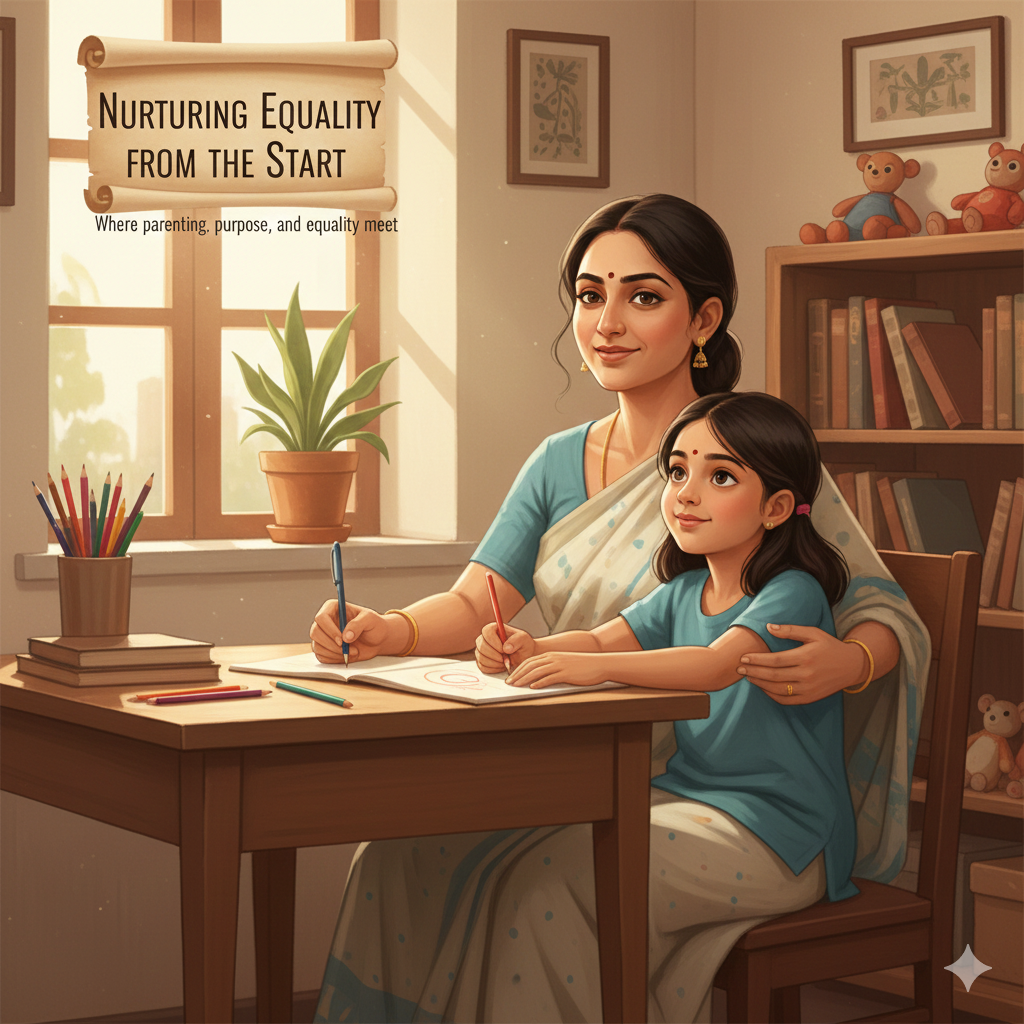
Introduction: Nurturing Equality from the Start
In contemporary India, parenting is steadily evolving from tradition-bound roles toward conscious, value-driven choices. Today’s parents increasingly seek to raise children who question stereotypes, practice fairness, and carry empathy into a complex social world. In this context, feminist parenting is not rebellion—it is responsibility. Feminist parenting books, therefore, become guides that help translate ideals of equality into daily life.
Moreover, these books do more than challenge patriarchy; they nurture emotional intelligence, consent, and self-worth in children of all genders. They gently interrogate long-held assumptions while respecting cultural roots. As these conversations begin at home, they ripple outward—reshaping classrooms, friendships, and communities.
Importantly, Indian feminist authors bring a lived understanding of intersectionality, tradition, and social conditioning. Their voices ground feminist parenting in familiar realities. With this balance of global insight and local wisdom, let us explore a curated selection of books that truly empower gender-equal parenting.
Dear Ijeawele: Chimamanda Ngozi Adichie’s Fifteen Suggestions
To establish a strong philosophical foundation, Dear Ijeawele remains indispensable. Although global in origin, its principles resonate deeply with Indian households navigating gendered expectations. Adichie’s fifteen suggestions encourage parents to raise daughters with independence, courage, and clarity.
Notably, she urges parents to move beyond appearance-based praise and instead value curiosity and strength. As a result, girls grow with inner confidence rather than conditional approval. The book’s brevity makes it accessible, while its depth ensures lasting relevance.
For book:
We Should All Be Feminists: A Universal Starting Point
Similarly, We Should All Be Feminists offers a concise yet powerful introduction to feminist thought. Through everyday experiences, Adichie highlights how gender roles silently shape ambition and behavior. For Indian families, this book often serves as a conversation starter—bridging generations with empathy rather than confrontation.
By weaving feminism into ordinary moments, the book encourages parents to normalize equality at home, long before children encounter resistance outside.
Feminist Mothering: Andrea O’Reilly’s Reframing of Care
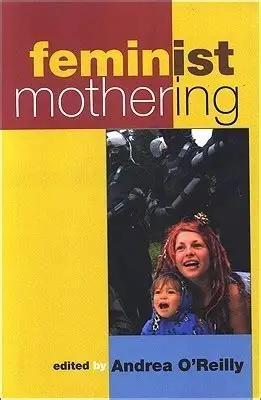
While some Western texts feel distant, Feminist Mothering offers conceptual clarity that transcends borders. O’Reilly’s emphasis on maternal agency resonates strongly with Indian mothers balancing expectation and identity.
Her critique of perfection-driven motherhood liberates parents from guilt, allowing them to center connection over compliance. Importantly, the book’s inclusive lens—embracing queer, trans, and non-traditional families—broadens the definition of care and equality.
Gender Neutral Parenting: Rituparna Chatterjee (India)
Turning now to Indian authors, Rituparna Chatterjee’s Gender Neutral Parenting offers a deeply contextual and practical guide for Indian families. Drawing from Indian social realities, she examines how everyday language, rituals, and expectations reinforce gender norms.
Through relatable examples—school uniforms, festivals, toys, and career expectations—Chatterjee encourages parents to consciously create space for choice rather than prescription. Her approach is neither radical nor dismissive of culture; instead, it is thoughtful, questioning, and humane.
As a result, children raised with this mindset grow more secure, expressive, and respectful of difference.
Because I Am a Girl: Reflections on Raising Daughters in India – Swati Jagdish
In Because I Am a Girl, Swati Jagdish offers an emotionally resonant exploration of raising daughters in India. Blending memoir with social commentary, the book captures the quiet negotiations Indian parents make between protection and freedom.
Importantly, Jagdish addresses issues such as safety, ambition, and self-worth without resorting to fear-driven parenting. Her writing reassures parents that empowerment begins with trust, conversation, and consistency.
Feminism for Everyone (Indian Context): Kamla Bhasin
No list rooted in Indian feminism is complete without Kamla Bhasin. While not strictly a parenting manual, her accessible writings on feminism provide parents with language and clarity to explain equality to children.
Bhasin’s work dismantles myths around feminism being anti-family or anti-culture. Instead, she frames it as deeply humane—concerned with dignity, justice, and shared humanity. Parents often adapt her ideas into conversations about fairness, labor, and respect at home.
Raising Boys to Be Better Men: Indian Perspectives on Masculinity
Rather than retaining multiple Western titles on boys, Indian parenting discourse increasingly addresses masculinity through essays, columns, and collectives. Indian authors and psychologists emphasize emotional literacy, consent, and vulnerability for boys growing up amid rigid norms.
By integrating these perspectives, parents help sons unlearn entitlement and embrace empathy—an essential step toward lasting gender equality.
Conclusion: Parenting with Consciousness and Courage
Together, these books—both global and Indian—offer parents a balanced, culturally sensitive framework for feminist parenting. They remind us that raising gender-equal children is not about rejecting tradition, but about questioning injustice within it.
Change unfolds slowly, often imperfectly. Yet every conversation, every book read, and every stereotype challenged plants a seed of equity. By choosing conscious parenting today, you help shape a future where equality is not taught—it is lived.
Balance work life with motherhood:
https://shebreaksbarriers.org/wp-admin/post.php?post=286&action=edit