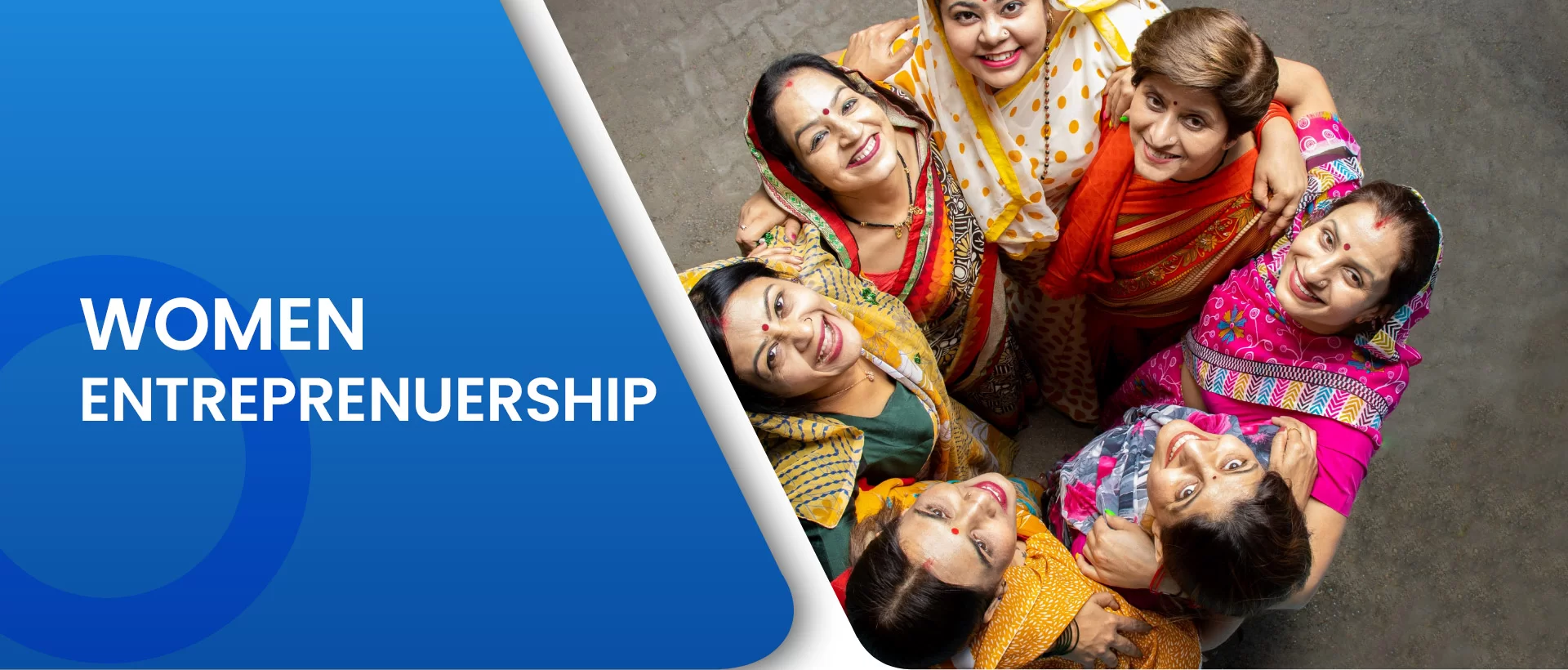
Introduction: A New Era for Women-Led Businesses
Women entrepreneurs are no longer knocking on closed doors—they are building new ones. In 2025, female founders across industries are launching startups, scaling enterprises, and reshaping economies with renewed confidence. Yet, while ambition and innovation are abundant, access to funding has historically lagged behind.
Fortunately, the funding landscape is changing. Governments, financial institutions, global organizations, and private investors are increasingly recognizing the economic and social value of women-led businesses. As a result, grants, loans, and hybrid funding models tailored specifically for women entrepreneurs are expanding in scope and accessibility.
This article explores women entrepreneurship funding in 2025, with a focused look at grants and loans designed to meet the real needs of female founders. More importantly, it explains how women can navigate these opportunities strategically and sustainably.
Why Funding for Women Entrepreneurs Still Matters in 2025
Progress has been made, but gaps persist. Despite owning a significant share of small and medium enterprises globally, women entrepreneurs still receive a smaller portion of institutional funding compared to men. Structural barriers, limited collateral, gender bias in lending, and unequal access to networks continue to affect funding outcomes.
However, the narrative is shifting. Policymakers and investors now understand that funding women-led businesses is not charity—it is sound economics. Studies consistently show that women reinvest more earnings into families, communities, and workforce development. Therefore, supporting female founders delivers long-term societal returns.
In 2025, funding initiatives increasingly reflect this understanding. Instead of one-size-fits-all solutions, programs now account for sector diversity, life stages, and business maturity.
Understanding the Funding Ecosystem for Female Founders
Before exploring specific opportunities, it is essential to understand the broader funding ecosystem. Women entrepreneurs typically access capital through three main channels: grants, loans, and blended financing options.
Each serves a different purpose. Grants offer non-repayable support, often ideal for early-stage ventures. Loans provide structured capital for growth and scaling. Meanwhile, blended models combine funding with mentorship, training, and networking—elements many women founders value deeply.
Recognizing which funding type aligns with your business stage is the first step toward successful financing.
Grants for Women Entrepreneurs in 2025: Capital Without Repayment
Grants remain one of the most empowering funding tools for women entrepreneurs. Since they do not require repayment or equity dilution, they allow founders to experiment, innovate, and stabilize operations without financial pressure.
Government Grants Supporting Women-Owned Businesses
In 2025, governments worldwide have expanded women-focused grant programs, especially in innovation, sustainability, and digital entrepreneurship. These grants often prioritize women from underserved communities, rural regions, and emerging sectors.
Typically, government grants support:
- Startup ideation and prototyping
- Business formalization and registration
- Technology adoption and digital tools
- Green and social impact initiatives
While application processes may be competitive, they are increasingly transparent and structured to reduce bias.
International and NGO-Led Grant Programs
Global organizations and non-profits continue to play a crucial role in funding women entrepreneurs. In 2025, more than ever before, many of these programs place strong emphasis on economic inclusion, climate resilience, and women-led social enterprises. As global challenges intensify, these institutions increasingly recognize women as key drivers of sustainable and community-centered growth.
Notably, however, the support offered through such initiatives extends well beyond financial assistance alone. In addition to capital, many grants now include leadership training, international exposure, and structured peer-learning opportunities. For women entrepreneurs seeking holistic and long-term growth, these programs therefore provide not only funding but also a strong sense of community, mentorship, and global belonging.
Corporate Grants and Innovation Challenges
Alongside non-profits, corporations are also stepping decisively into the women entrepreneurship funding space. Through innovation challenges, accelerator partnerships, and CSR-driven initiatives, companies are actively supporting women-led startups that align with their industry vision and sustainability goals.
In 2025, in particular, corporate grants frequently focus on:
- Women in technology and STEM
- Creative and cultural enterprises
- Health, wellness, and care-based businesses
Beyond immediate financial support, these grants often unlock access to corporate networks, supply chains, and strategic partnerships. Over time, such opportunities can evolve into long-term contracts and collaborative ventures—benefits that extend far beyond initial funding.
Loans for Women Entrepreneurs: Structured Capital With Flexibility

While grants often provide a strong starting point, loans remain essential for women entrepreneurs looking to scale operations or expand into new markets. The encouraging news, however, is that In 2025, loan options designed for women-owned businesses are increasingly flexible, affordable, and structured to support long-term growth. Loan options designed for women-owned businesses https://yourwebsite.com/women-business-loans
Government-Backed Loan Schemes for Women
Across many regions, governments now offer subsidized loan schemes specifically tailored for women-owned businesses. Compared to traditional financing, these programs reduce interest rates, relax collateral requirements, and offer longer repayment timelines.
As a result, women entrepreneurs commonly use such loans for:
- Purchasing equipment and inventory
- Expanding operations or facilities
- Hiring and investing in workforce development
Equally important, government-backed loans help women build strong credit histories. Over time, this improved financial standing makes future funding easier to access, reinforcing long-term business sustainability and independence. improve women’s credit profiles, making future financing easier.
Bank Loans Designed for Female Founders
Traditional banks have evolved. In 2025, several financial institutions offer women-centric loan products that recognize different business realities.
These loans often feature:
- Lower interest rates for women-led enterprises
- Simplified documentation
- Advisory support alongside financing
Moreover, banks increasingly train loan officers to evaluate women-owned businesses more equitably, reducing unconscious bias in approval processes.
Microfinance and Small Business Loans
For early-stage entrepreneurs and small-scale founders, microfinance remains a powerful tool. In 2025, digital micro-lending platforms make access faster and less intimidating.
These loans work especially well for:
- Home-based businesses
- Rural and semi-urban enterprises
- First-time women entrepreneurs
Although loan amounts may be smaller, the impact is often transformative.
Blended Finance and Support Programs: Beyond Money
Funding alone does not guarantee success. Recognizing this, many 2025 programs combine capital with mentorship, skill-building, and networking.
Accelerators and incubators focused on women founders now integrate seed funding with:
- Business coaching
- Legal and financial literacy
- Market access and investor connections
This approach addresses a long-standing challenge women face: lack of access to influential networks. By embedding support systems into funding programs, these initiatives improve long-term outcomes.
Sector-Specific Funding Opportunities for Women in 2025
Another notable trend in 2025 is sector-specific funding. Rather than generic programs, many grants and loans now target industries where women entrepreneurs are making strong inroads.
These include:
- Technology and digital platforms
- Sustainable and green businesses
- Healthcare, wellness, and femtech
- Education and skill development
- Creative industries and social enterprises
By aligning funding with sector growth, these programs increase both relevance and impact.
How Women Entrepreneurs Can Improve Funding Success
While opportunities are expanding, preparation remains crucial. Women entrepreneurs who approach funding strategically improve their chances significantly.
First, clarity matters. A clear business model, defined revenue streams, and realistic growth plans strengthen applications.
Second, documentation builds trust. Maintaining accurate financial records and compliance signals professionalism.
Third, storytelling counts. Women founders often underestimate the power of their journey. In 2025, funders increasingly value purpose-driven narratives alongside profitability.
Finally, persistence pays. Rejection is part of the process. Each application strengthens understanding and sharpens strategy.
Addressing Persistent Challenges in Women Entrepreneurship Funding
Despite progress, challenges remain. Gender bias has not disappeared entirely. Time constraints, caregiving responsibilities, and limited exposure still affect many women founders.
However, 2025 also brings stronger advocacy. Women entrepreneur networks, policy reforms, and digital platforms are amplifying voices and sharing resources.
By supporting one another and engaging with these ecosystems, women entrepreneurs can navigate barriers more effectively.
The Bigger Impact of Funding Women Entrepreneurs
Funding women-led businesses does more than create individual success stories. It fuels job creation, strengthens local economies, and drives inclusive growth.
When women thrive as entrepreneurs, communities benefit. Children gain stability, innovation increases, and economic resilience improves. This ripple effect explains why women entrepreneurship funding is now seen as a strategic investment rather than a niche initiative.
Conclusion: Moving Forward With Confidence
Women entrepreneurship funding in 2025 reflects a long-overdue shift. Grants and loans tailored for female founders now recognize real challenges while nurturing real potential. Although obstacles remain, opportunities have never been more diverse or accessible.
The path forward requires awareness, preparation, and courage. With the right funding tools and support systems, women entrepreneurs can not only sustain their businesses but lead industries into the future.
Ultimately, empowering women founders is not just about capital—it is about confidence, choice, and collective progress. And in 2025, that progress is well underway.