Feeling exhausted despite “doing everything right”? Explore 15 surprising Hashimoto’s flare-up triggers—from your morning coffee habit to your workout routine—and learn how to find balance.
The Flickering Flame: 15 Surprising Triggers for a Hashimoto’s Flare-Up
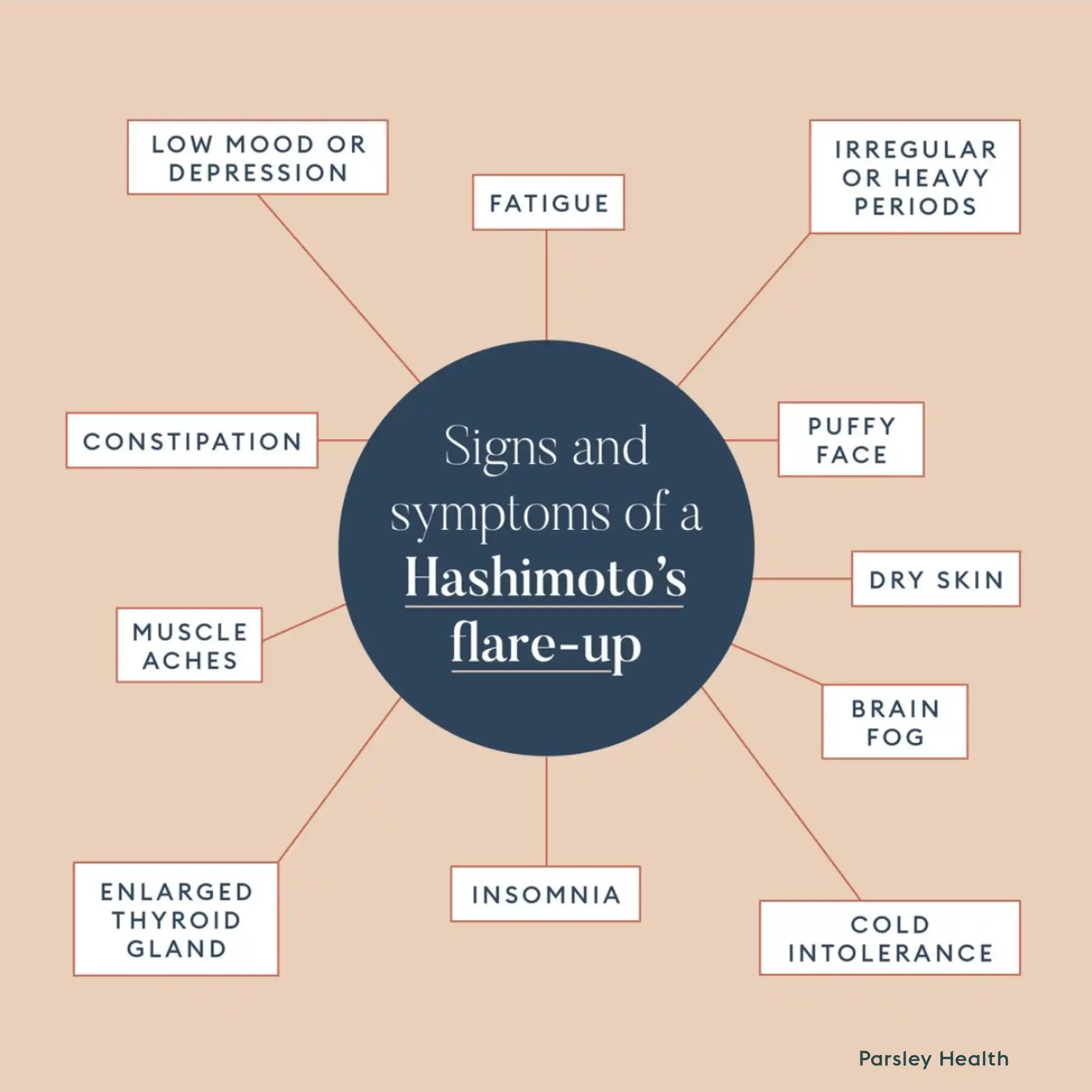
If you’re living with Hashimoto’s, you know the “invisible” weight of it. Some days you feel like yourself—energetic, focused, and capable. Then, seemingly out of nowhere, the fog rolls in. The joint pain returns, the fatigue becomes bone-deep, and you feel like a stranger in your own skin.
This is a Hashimoto’s Flare-Up.
When your immune system is attacking your thyroid, your body is essentially in a state of internal conflict. Often, we feel like we are doing “all the right things,” yet we still crash. The truth is, many common habits—even the ones labeled as “healthy”—can act as hidden triggers for an autoimmune response.
Today, we’re going to look at 15 surprising things that might be sabotaging your progress. My goal isn’t to give you a list of “no-nos,” but to help you understand the why so you can navigate your health with more grace and less frustration.
1. High-Intensity Interval Training (HIIT)
We are told to “push harder” to lose weight, but for a woman with Hashimoto’s, HIIT can be a disaster. Intense exercise spikes cortisol. If your thyroid is already struggling, your body perceives this as a major stressor, causing your immune system to ramp up its attack. If you feel “wiped out” for two days after a workout, your exercise is a trigger.
2. Coffee on an Empty Stomach
I know, I know—we love our morning latte. But caffeine on an empty stomach triggers a sharp rise in cortisol. This signals to your body that you are in “fight or flight” mode. This metabolic stress can interfere with thyroid hormone conversion and irritate your gut lining. Try eating a small amount of protein before your coffee.
3. The “Healthy” Raw Kale Salad
Cruciferous vegetables (kale, broccoli, cauliflower) are amazing, but in their raw form, they contain goitrogens. These are substances that can interfere with iodine uptake in the thyroid. For a healthy person, it’s fine; for a woman in a flare-up, it can slow the thyroid down further. Always steam or cook these veggies to deactivate the goitrogens.
4. Scented Candles and Synthetic Perfumes
Your thyroid is highly sensitive to endocrine disruptors. Most scented candles and perfumes contain phthalates and synthetic fragrances that mimic hormones and confuse your endocrine system. If you’re in a flare, switch to essential oils or beeswax candles to lower your “toxic load.”
5. Sleep Procrastination
“Revenge bedtime procrastination” is real—we want that hour of quiet after the kids are in bed. But the thyroid follows a strict circadian rhythm. Missing the 10 p.m. to 2 a.m. window for deep repair can cause a surge in inflammatory cytokines, leading directly to a flare-up the next day.
6. The “Hidden” Gluten
Many women with Hashimoto’s go gluten-free, but gluten hides in places like soy sauce, salad dressings, and even lip balm. Because the molecular structure of gluten is very similar to thyroid tissue (a phenomenon called molecular mimicry), even a “tiny” bit can trick your immune system into attacking your thyroid for weeks.
7. Overdoing the Iodine
While the thyroid needs iodine, taking high-dose iodine supplements (or eating massive amounts of seaweed) can be like throwing gasoline on a fire for someone with Hashimoto’s. It can over-stimulate the thyroid and actually trigger a more aggressive autoimmune attack. Always test your levels before supplementing.
8. Blue Light After Dark
Strolling through Instagram before bed does more than just keep your brain awake. Blue light suppresses melatonin. Melatonin is a powerful antioxidant that actually helps protect the thyroid gland from oxidative stress. When you skip melatonin, you leave your thyroid vulnerable to inflammation.
9. Sugar Alcohols and “Keto” Treats
Many “sugar-free” foods use erythritol or xylitol. These can disrupt the delicate balance of your gut microbiome. Since 70-80% of your immune system lives in your gut, a “leaky gut” or imbalanced microbiome is a fast track to an autoimmune flare.
10. Taking Your Medication with Food (or Calcium)
Your thyroid medication (levothyroxine or similar) is very picky. If you take it with your morning yogurt or even a coffee with milk, the calcium and iron can bind to the medication, meaning you only absorb a fraction of the dose. Always wait at least 30–60 minutes before eating or drinking anything but water.
11. Fluoride and Chlorine Exposure
Fluoride (in toothpaste/water) and Chlorine (in pools/tap water) are “halogens,” just like iodine. Because they look similar to iodine, they can block the receptors in your thyroid, preventing the gland from getting the iodine it actually needs to make hormones. Consider a high-quality water filter for your drinking and shower water.
12. Emotional “Holding”
This sounds less “medical,” but it is deeply physiological. When we suppress anger, grief, or chronic stress, our sympathetic nervous system stays “on.” This constant state of “high alert” keeps inflammatory markers high. Many women find that their biggest flares happen during or immediately after a period of intense emotional “holding.”
13. Low Selenium and Zinc
Think of Selenium and Zinc as the “bodyguards” of your thyroid. Selenium helps convert T4 (inactive) to T3 (active) and protects the gland from damage. If you are stressed or eating a highly processed diet, you may be depleted, leaving your thyroid without its defense system.
14. Inconsistent Meal Times
The thyroid thrives on stability. When you skip meals or practice “extreme” intermittent fasting, your blood sugar crashes. Blood sugar instability is a major internal stressor that can trigger the “Pregnenolone Steal” (where your body makes stress hormones instead of thyroid-supporting hormones).
15. Ignoring “Small” Infections
Sometimes a Hashimoto’s flare-up is actually your immune system reacting to something else—like a lingering tooth infection, a UTI, or even an overgrowth of yeast (Candida) in the gut. If your immune system is busy fighting a “hidden” battle elsewhere, it often becomes hyper-reactive and increases the attack on the thyroid.
How to Quiet the Flare-Up
If you realize you’ve been hitting several of these triggers, don’t panic. That’s just more stress! Instead, try the “Rule of One.” Pick one thing to shift this week. Maybe it’s switching to steamed veggies, or maybe it’s moving your coffee to after breakfast.
Small, gentle shifts tell your body that the environment is safe. When your body feels safe, the immune system can finally lower its guard.
A Note on Self-Compassion
Hashimoto’s is a journey of listening to your body’s whispers before they become screams. If you are in a flare right now, be kind to yourself. You aren’t “failing” at your health; you are simply learning a new language—the language of your own unique biology.
Sources & References: Dr. Izabella Wentz, PharmD (The Thyroid Pharmacist) – Research on Hashimoto’s Triggers and Root Causes.
The Journal of Clinical Endocrinology & Metabolism – Studies on the impact of stress and cortisol on T3/T4 conversion.
American Thyroid Association – Guidelines on iodine intake and autoimmune thyroiditis.