
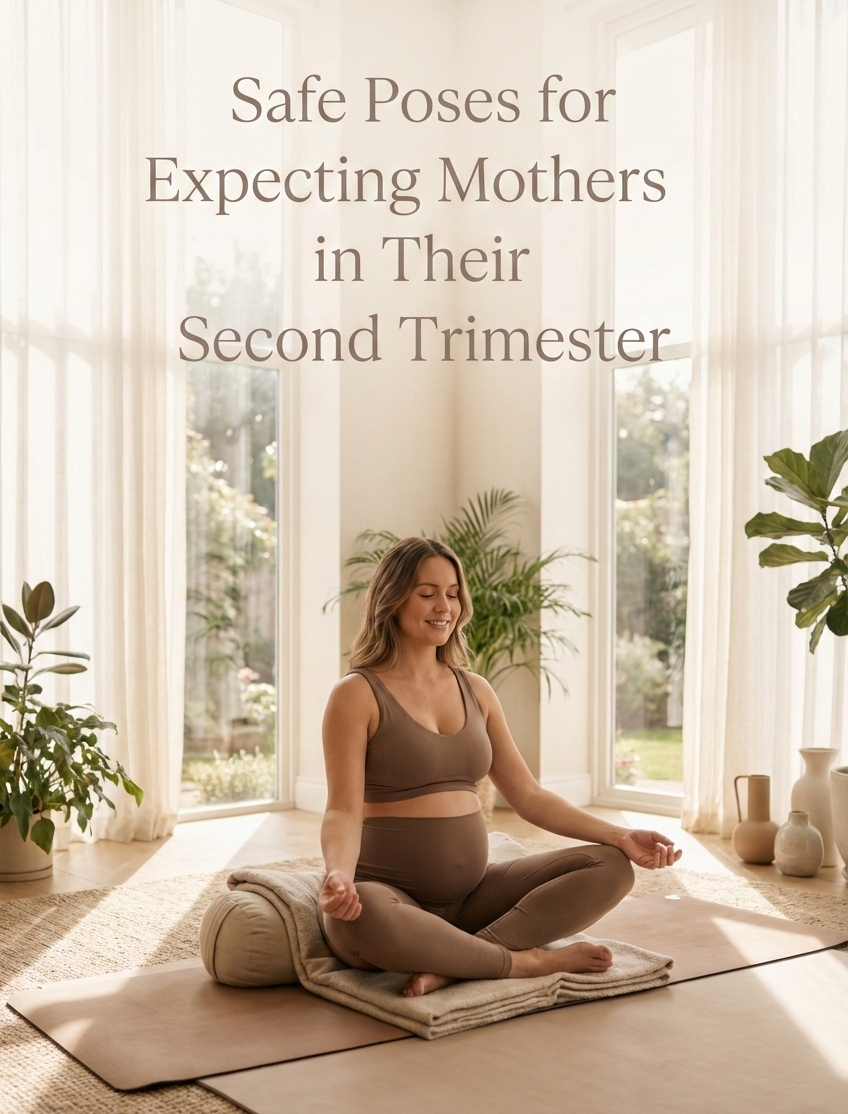
- Prenatal Yoga
- Second Trimester Pregnancy
- Prenatal Yoga Benefits
- Pregnancy Yoga
Pregnancy is not merely a biological event; it is a profound transformation of body and mind. During the second trimester, many expecting mothers turn to prenatal yoga as energy returns, nausea subsides, and the body begins to settle into a new rhythm. This phase offers an ideal window for gentle movement, mindful breathing, and renewed physical confidence.
Prenatal yoga in the second trimester is more than exercise. Rooted in ancient practice and supported by modern medical insight, it promotes strength, balance, and emotional calm. However, discernment is essential. Not every yoga pose is safe during pregnancy, and informed choices matter.
This article explores the benefits of prenatal yoga for expecting mothers in their second trimester and highlights safe, supportive poses that respect both traditional wisdom and medical guidance.
Understanding the Second Trimester Body
Before discussing poses, one must understand the terrain.
The second trimester, spanning weeks 13 to 26, is often called the “golden period” of pregnancy. Hormonal storms calm. The uterus rises out of the pelvis. Balance shifts subtly. Ligaments loosen under the influence of relaxin.
“Hormonal Changes in Pregnancy and Their Impact”/pregnancy-hormones-explained
This is a body in adaptation, not fragility—but also not invincibility.
Therefore, prenatal yoga during this phase must focus on stability, breath control, and gentle strength. The goal is not flexibility for its own sake. Rather, it is awareness, resilience, and calm preparation.
Why Prenatal Yoga Matters Now
Yoga has always been more than physical exercise. Traditionally, it was a discipline of alignment—between body, breath, and consciousness. In pregnancy, this alignment becomes essential.
During the second trimester, prenatal yoga:
- Supports spinal health as posture changes
- Reduces lower back and hip discomfort
- Improves circulation and oxygen delivery
- Encourages mindful breathing
- Calms anxiety and emotional fluctuations
More importantly, it fosters trust—trust in the body’s wisdom and its capacity to carry life.
Yet, benefits only arise when yoga is practiced correctly and cautiously.
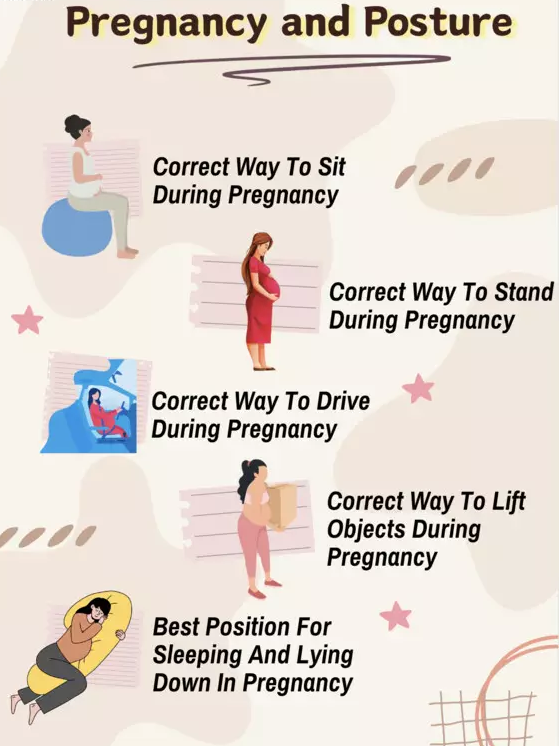
Safety First: Foundational Principles
Before stepping onto the mat, a few non-negotiable rules must be respected.
First and foremost, medical clearance is essential. Even in uncomplicated pregnancies, professional oversight provides safety, reassurance, and informed boundaries.
Second, comfort must remain the guiding compass. Therefore, any yoga pose that creates strain, dizziness, or breath-holding should be stopped immediately and without hesitation.
Third, competition has no place in prenatal yoga. This practice is not about achievement or endurance. Instead, it is about awareness, presence, and respectful listening to the body.
Once these principles are firmly established, safe and mindful practice can truly begin.
Breathing: The Quiet Anchor
Before movement comes breath.
Deep Diaphragmatic Breathing (Pranayama)
This foundational technique involves slow inhalation through the nose, gently allowing the belly to expand, followed by a soft, unforced exhalation.
Through this steady rhythm, the breath:
- Enhances oxygen supply to the fetus
- Gradually reduces stress hormones
- Effectively prepares the body for labor breathing
Traditionally, controlled breathing has been regarded as the bridge between body and mind. In pregnancy, therefore, it becomes a quiet lifeline of calm, grounding both mother and child.
For this reason, forceful breathing or breath retention should be avoided. Instead, softness, ease, and natural flow must always guide the practice.
Standing Poses: Building Strength and Balance
Standing poses form the backbone of second trimester prenatal yoga. They cultivate endurance and grounding without compressing the abdomen.
Mountain Pose (Tadasana)
This simple stance teaches alignment.
Standing tall with feet hip-width apart, shoulders relaxed, and breath steady, Tadasana:
- Improves posture
- Strengthens legs
- Encourages body awareness
Though it appears modest, tradition teaches that mastery begins in stillness.
Warrior II (Virabhadrasana II – Modified)
With a wider stance and bent front knee, this pose builds lower-body strength.
Benefits include:
- Improved stamina
- Stronger thighs and hips
- Enhanced confidence
Using support, such as a wall or chair, ensures safety. The pose should feel empowering, not exhausting.
Seated Poses: Opening Without Strain
Seated postures during the second trimester must prioritize spinal length and hip comfort.
Easy Pose (Sukhasana)
Sitting cross-legged with cushions under the hips allows the spine to rise naturally.
This pose:
- Encourages relaxation
- Supports meditation and breathwork
- Reduces pelvic tension
In traditional practice, Sukhasana was used for contemplation. During pregnancy, it becomes a refuge of stillness.
Bound Angle Pose (Baddha Konasana – Supported)
With the soles of the feet together and knees gently supported by cushions, this pose carefully opens the pelvis.
In addition, it helps:
- Improve circulation
- Ease groin discomfort
- Prepare hips for childbirth
Importantly, no pressure should be applied to the knees; instead, gravity alone is sufficient.
Gentle Spinal Movements: Relieving Back Tension
As the uterus grows, the spine bears increasing responsibility, so gentle mobility becomes essential.
Cat-Cow Pose (Marjaryasana–Bitilasana)
Performed on hands and knees, this flowing movement alternates spinal flexion and extension.
Through this gentle rhythm, it provides:
- Relief from back stiffness
- Improved spinal flexibility
- Enhanced coordination with breath
Traditionally, this pose honors a fundamental yogic truth: movement and breath must always converse. Therefore, avoid deep rounding and keep movements slow, mindful, and deliberate.
Side-Lying Poses: Restorative Support
Restorative yoga is essential during pregnancy, not optional.
Side-Lying Savasana
Since traditional Savasana is avoided after the first trimester due to pressure on major blood vessels, lying on the left side with cushions provides safe and deep rest.
This posture gently:
- Improves blood flow to the placenta
- Reduces swelling
- Promotes relaxation
Ultimately, rest in this position is not passive—it actively supports maternal and fetal well-being.
Side-Lying Savasana
Traditional Savasana is avoided after the first trimester due to pressure on major blood vessels. Instead, lying on the left side with cushions provides deep rest.
This position:
- Improves blood flow to the placenta
- Reduces swelling
- Promotes relaxation
Rest, after all, is productive during pregnancy.
Squatting Poses: Preparing for Birth
When practiced safely, squatting can be profoundly beneficial.
Malasana (Yogic Squat – Supported)
Using blocks or a wall for support, this pose gently opens the pelvis.
Benefits include:
- Strengthening pelvic floor muscles
- Enhancing hip mobility
- Encouraging optimal fetal positioning
Historically, squatting has been a natural birthing posture across cultures. Yoga simply reintroduces this forgotten wisdom—carefully.
Poses to Avoid in the Second Trimester
Wisdom lies not only in what to practice, but also in what to avoid.
During the second trimester, expecting mothers should avoid:
- Deep backbends
- Intense twists
- Strong abdominal contractions
- Inversions
- Lying flat on the back for extended periods
These restrictions are not limitations. They are protections—born from experience and evidence.
NHS (UK) – Exercise in Pregnancyhttps://www.nhs.uk/pregnancy/keeping-well/exercise
Emotional Benefits: Beyond the Physical
Prenatal yoga does more than stretch muscles. It steadies the inner world.
Regular practice can:
- Reduce prenatal anxiety
- Improve sleep quality
- Strengthen emotional resilience
- Enhance maternal-fetal bonding
In a world that rushes pregnancy as a checklist, yoga invites reverence. It slows time. It reminds a mother that her breath shapes another life.
Creating a Sustainable Practice
Consistency matters more than duration.
Even 20 minutes, practiced mindfully, yields benefits. Practicing three to four times a week is sufficient.
Equally important is environment. A quiet space, soft lighting, and minimal distractions reinforce calm.
Tradition valued ritual. Modern life needs it even more.
Final Reflections: A Balanced Path Forward
Prenatal yoga during the second trimester is not a cure-all. It does not guarantee an effortless pregnancy or birth. Skepticism is wise.
Yet, when practiced safely, respectfully, and consistently, it becomes a powerful ally.
It honors the past—where movement, breath, and motherhood were sacred. It embraces the future—where evidence guides practice and safety leads the way.
Above all, it teaches expecting mothers to trust their bodies. And in that trust lies strength, grace, and quiet courage.
For postpartum journey go through:
https://shebreaksbarriers.org/wp-admin/post.php?post=152&action=edit