
#weightloss #pcosawareness #fertility#pcod #cyst #ttccommunity #kista #fibroid #ikhtiarhamil #infertilityawareness #chronicillnes #fertilityjourney #ivfjourney
In the landscape of Indian households—where relatives diagnose your health before any doctor does, and where menstrual dates are discussed with the same urgency as railway timings—PCOS often enters not quietly, but with the flair of a villain straight out of an evening television serial. Its arrival is rarely subtle. One day, life flows in a neat, rhythmic order; the next, the ovaries, usually disciplined and poised like classical dancers at a temple festival, decide to stage their own rebellion.
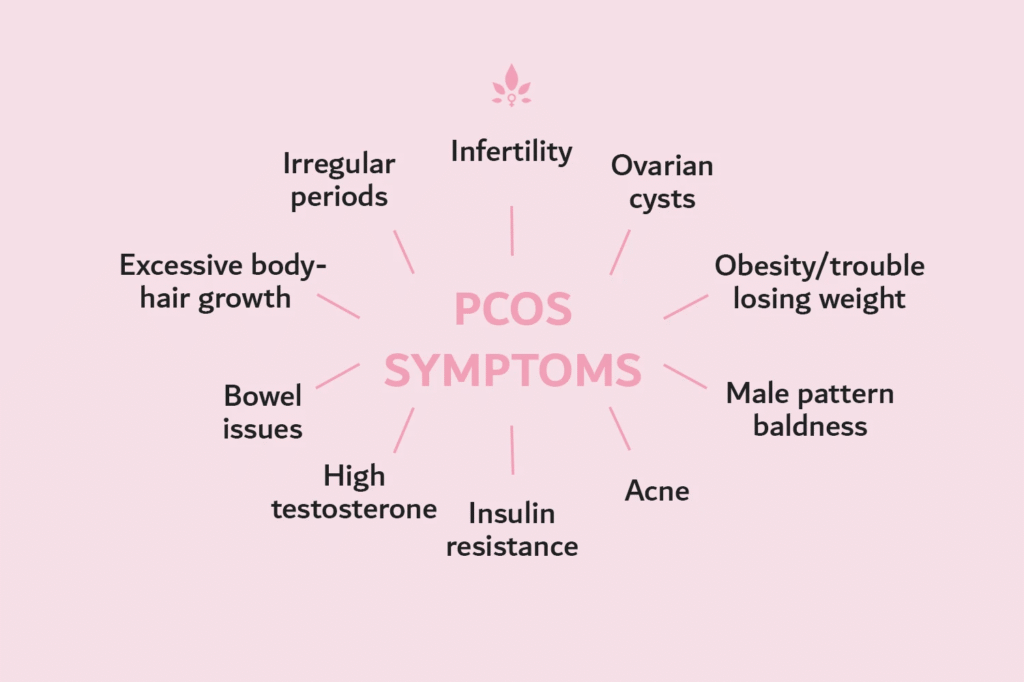
Suddenly, ovulation becomes irregular. Cysts begin to appear like stubborn tenants refusing to vacate. Insulin—the loyal messenger of energy—develops a strange resistance. Testosterone steps onto the scene, uninvited and overconfident. Acne blooms, weight creeps in with quiet insistence, hair begins to thin at the crown, and emotions sway like monsoon winds shifting directions without warning.
And amidst all this, society offers its timeless commentary.
“Drink haldi doodh, beta.”
“Do yoga, everything will be fine.”
“Have you tried neem? Have you tried karela juice? Have you stopped eating rice?”
As though the intricate hormonal dance inside your body can be corrected by a single cup of turmeric milk or a lecture about marriage prospects from a deeply concerned aunty.
Yet beneath this noise—beneath the melodrama—lies the earnest truth: PCOS is not an indictment of womanhood, laziness, or willpower. It is a legitimate metabolic and hormonal condition shaped by genetics, lifestyle, inflammation, and sheer biological complexity. And unlike the dramatic villains of Indian soaps, this one cannot be defeated by a sudden plot twist.
However, every compelling story finds its turning point.
And in the PCOS narrative, the heroine—the woman herself—steps forward. She chooses knowledge over fear, consistency over chaos, and balance over confusion. She leans on nature’s gentler remedies while embracing modern science with discernment. She becomes, quietly and steadily, the director of her own hormonal symphony.
This guide is written for her—for every woman seeking natural, effective, culturally rooted, and scientifically sensible remedies to support hormonal harmony.
Understanding the PCOS Story Beneath the Drama
Before exploring natural remedies, it is essential to understand the storm brewing beneath the surface.
PCOS, or Polycystic Ovary Syndrome, is a multifaceted disorder marked by:
- Irregular or absent ovulation
- Elevated androgens (male hormones)
- Insulin resistance
- Cysts in the ovaries (in some cases)
Its symptoms range from weight gain to mood swings, from acne to infertility. Yet each woman’s experience is unique—shaped by her genetics, lifestyle, and environment.
In India, where dietary patterns, beauty expectations, and family pressures interweave tightly, the emotional burden of PCOS often becomes heavier than its medical symptoms. But at its core, PCOS is not a moral failure—it is a metabolic imbalance that requires understanding, patience, and thoughtful care.
And that care can begin with nature’s time-tested remedies, harmonized with modern insights.
Natural Remedies That Support Hormonal Balance
Natural remedies do not promise miraculous overnight transformations—no true solution ever does. But when practiced with consistency and supported by informed lifestyle changes, these remedies help create an environment where hormones can regain their rhythm and the body can restore its innate equilibrium.
Below are the most effective, culturally rooted, and scientifically supported options.
1. Spearmint Tea: A Calming Breeze Against Androgens
Spearmint tea, often found in Middle Eastern and Ayurvedic traditions, has recently gained attention for its ability to reduce elevated androgens.
For women facing excess facial hair, acne flare-ups, or scalp thinning—issues intensified by high testosterone—spearmint offers a gentle, natural ally.
A cup or two daily has been shown in studies to reduce androgen levels modestly, bringing relief without harsh side effects. Its soothing aroma alone feels like a small act of self-kindness, a calm inhalation amidst hormonal turbulence.
2. Cinnamon: The Wise Elder of the Indian Kitchen
Cinnamon, a beloved spice across Indian culinary traditions, carries powerful metabolic benefits. It supports:
- Improved insulin sensitivity
- Stabilised glucose levels
- More regular ovulation
In PCOS, where insulin resistance often drives weight gain, cravings, and fatigue, cinnamon’s steadying effect can be transformative. A half-teaspoon daily—added to warm water, oatmeal, or herbal tea—can nudge the body’s metabolic balance gently but effectively.
It is a reminder that sometimes the most profound healing lies in everyday traditions.
3. Balanced Eating: A Return to the Thoughtful Thali
In a world of packaged snacks and late-night food deliveries, the Indian thali stands as a symbol of nutritional wisdom—balanced, varied, and deeply intentional.
For PCOS, an ideal plate includes:
- Whole grains like millets, brown rice, or multigrain rotis
- Two portions of vegetables
- Lean protein such as dal, paneer, eggs, or legumes
- Healthy fats from nuts, seeds, or ghee
- Limited refined sugars and deep-fried foods
Contrary to popular advice, rice is not the enemy. The imbalance lies not in one food item but in excess, inconsistency, and stress-eating. A balanced, home-cooked meal works as an anchor, grounding hormonal instability through nourishment that feels both comforting and consistent.
4. Yoga & Movement: Where Ancient Wisdom Meets Modern Biology
Yoga is not merely exercise—it is a philosophy of alignment. For women with PCOS, asanas like Surya Namaskar, Bhujangasana, and Setu Bandhasana help regulate cortisol, enhance insulin sensitivity, and improve blood flow to the reproductive organs.
Combined with a brisk daily walk—an underrated gift to metabolism—movement becomes medicine. These traditional practices act not as quick fixes but as long-term stabilisers of hormonal health.
5. Seed Cycling: Nature’s Whisper to the Hormones
Though still debated scientifically, seed cycling—using flax, pumpkin, sunflower, and sesame seeds at different phases of the cycle—provides:
- Omega-3 fatty acids
- Lignans
- Vital micronutrients
These nutrients support estrogen-progesterone balance gently. Even if the exact mechanism remains under investigation, the nutritional benefits are undeniable. Seeds scattered over salads, smoothies, or rotis can become small but meaningful steps toward hormonal restoration.
6. Sleep: The Forgotten Healer
In the drama of daily life, sleep is often the neglected character.
Late-night scrolling, exam stress, shift work, or emotional exhaustion quietly disrupts the hormonal orchestra—raising cortisol, destabilizing insulin, and disturbing appetite rhythms.
A consistent sleep schedule—7 to 8 hours of quiet, uninterrupted rest—acts as a foundation for every natural remedy. Without it, even the most diligent routines struggle to leave an imprint.
7. Stress Reduction: A Sacred Ritual of Self-Preservation
Stress is the silent architect of hormonal chaos. It pushes cortisol upward, worsens insulin resistance, and intensifies androgen production.
Simple, grounded practices like:
- meditation
- journaling
- breathwork
- mindfulness
- gentle music
help soothe the nervous system. They are not indulgences—they are forms of health preservation. In a country where women often carry emotional labour silently, stress management becomes both a necessity and an act of self-respect.
The Harmonious Conclusion: Rewriting the PCOS Story
PCOS may begin like a dramatic Indian serial—full of unwanted twists, hormonal villains, and unsolicited advice from every direction. But the story need not remain chaotic.
When a woman embraces nature’s remedies with quiet discipline, listens to her body with patience, and seeks medical guidance where needed, she shifts the narrative. She discovers that healing is not a single act but a series of steady choices—small, consistent, intentional.
Through these choices, she moves from confusion to clarity, from imbalance to harmony. She becomes the author of her own story—a story shaped by tradition yet open to innovation, skeptical but hopeful, lyrical in its resilience.
In this journey, she learns that PCOS does not define her identity; it simply asks her to know her body more deeply, honour her rhythms more consciously, and trust that balance, once nurtured, always finds its way home.