
#Perimenopause Mental Health #Emotional Wellness During Perimenopause #Hormonal Mood Swings Support #Women’s Midlife Health
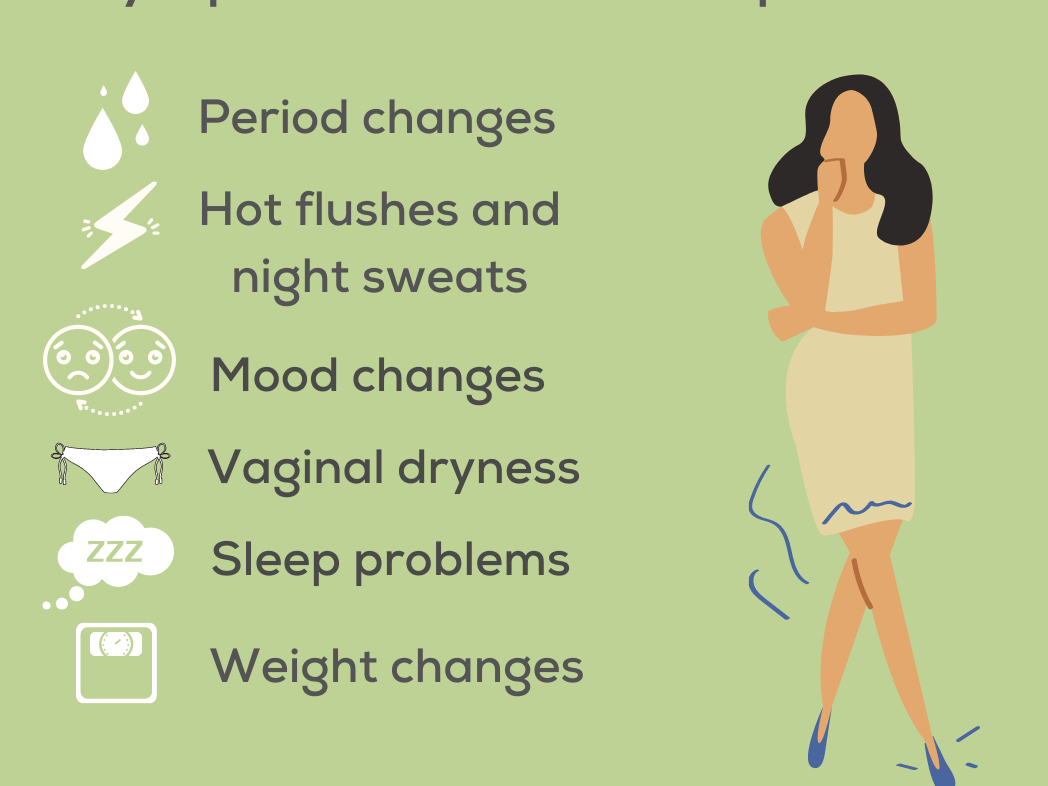
Perimenopause marks the transition before menopause. Hormones fluctuate wildly. Estrogen and progesterone rise and fall unpredictably. These shifts affect your brain as much as your body. Mood swings, anxiety, irritability, brain fog, and even depression can appear suddenly. You feel like a stranger in your own skin.
The good news? You can regain control. Small, intentional steps protect your mental health and restore emotional balance. Here are seven proven strategies that actually work.
1. Track Your Cycle (Yes, Even When It’s Chaos)
Know your patterns. Track symptoms daily. Use a simple app or notebook. Mark mood changes, sleep quality, energy levels, and physical signs.
Spot triggers fast. Notice which weeks bring rage or tears. See how poor sleep predicts anxiety the next day. Knowledge replaces helplessness.
Act early. When you see a rough phase coming, schedule lighter days. Warn your family. Protect your peace before the storm hits.
2. Prioritize Sleep Like Your Sanity Depends on It (Because It Does)
Hormones disrupt sleep. Hot flashes wake you. Night sweats soak the sheets. Poor sleep fuels every emotional symptom.
Create a rock-solid bedtime routine. Cool the room to 60–67°F (15–19°C). Use breathable sheets. Skip screens an hour before bed.
Try magnesium glycinate 30–60 minutes before sleep. Many women swear by it. Add blackout curtains and a fan.
Guard sleep fiercely. Say no to late plans. Nap if you must. Seven to nine hours isn’t negotiable.
3. Move Your Body Every Single Day
Exercise balances mood naturally. It boosts serotonin and endorphins. It cuts anxiety and depression risk by up to 25%.
Choose movement you enjoy. Walk briskly with a friend. Lift weights. Dance in your living room. Do yoga flows for hormonal balance.
Keep it short and consistent. Twenty to thirty minutes beats an hour you dread. Strength training twice a week protects bones and mood.
Sweat out the rage. Physical movement discharges pent-up emotions that words can’t touch.
4. Feed Your Brain the Right Fuel
Diet guide:
https://sites.google.com/view/shebreaksbarriers/seed-cycling-and-hormone-friendly-foods
Blood sugar swings worsen mood swings. Skip meals and you crash hard.
Eat protein and healthy fat at every meal. Add fiber-rich vegetables. Choose complex carbs like sweet potato or quinoa.
Limit sugar and caffeine after noon. Both spike then crash your mood. Alcohol disrupts sleep and deepens depression—cut back dramatically.
Consider seed cycling. Rotate flax, pumpkin, sesame, and sunflower seeds with your cycle phases. Many women report stabler moods.
Stay hydrated. Dehydration mimics anxiety. Keep a water bottle nearby all day.
5. Master the 4-7-8 Breath (Your Free Anxiety Off Switch)
Anxiety hits hard in perimenopause. Racing thoughts steal your peace.
Learn the 4-7-8 technique now:
- Inhale quietly through your nose for 4 counts
- Hold your breath for 7 counts
- Exhale completely through your mouth for 8 counts (make a whoosh sound)
- Repeat four rounds
Use it anywhere. Calm a panic wave in the grocery line. Fall back asleep at 3 a.m. Stop rage before you snap at your kids.
Practice twice daily. Make it automatic. Your nervous system will thank you.
6. Build a “No” Habit and Protect Your Bandwidth
Energy feels precious now. Overcommitment leads to meltdown.
Say no without guilt. Decline extra projects. Skip draining social events. Cancel plans when you need rest.
Set boundaries early. Tell your partner, “I need 30 minutes alone when I get home.” Teach teens to knock before barging in.
Create micro-retreats. Lock the bathroom door for ten minutes of silence. Sit in your parked car with music. Guard these moments fiercely.
You’re not selfish. You’re preserving the best version of yourself for the people who matter.
7. Get Professional Help Before You Think You Need It
Therapy isn’t just for crises. A menopause-informed therapist changes everything.
Find someone trained in perimenopause. They understand hormonal mood changes aren’t “all in your head.” They teach coping tools specific to this phase.
Consider short-term medication if needed. Low-dose antidepressants or anti-anxiety meds help many women sail through the worst years. Hormone therapy (HRT) can stabilize mood dramatically for some.
Join a support group. Hearing “me too” from other women fights isolation. Online forums and local groups exist everywhere.
You don’t have to tough this out alone. Asking for help is strength, not weakness.
The Truth About This Phase
Perimenopause feels endless when you’re in the thick of it. But it isn’t forever. Most women feel significantly better within two to five years after their final period.
You’re not broken. You’re not crazy. Your hormones are simply rewriting the rules for a while.
Use these seven tools daily. Track. Sleep. Move. Eat. Breathe. Set boundaries. Seek help.
You possess more wisdom and resilience now than ever before. This transition can become a powerful rebirth—if you protect your mental health along the way.
You’ve got this. One grounded day at a time.
For guide to perimenopause journey :
https://shebreaksbarriers.org/wp-admin/post.php?post=147&action=edit