
#SeasonsOfHerStrength #WhispersOfRenewal#SoulLitVitality#EnduringFeminineGrace
Radiant Renewal
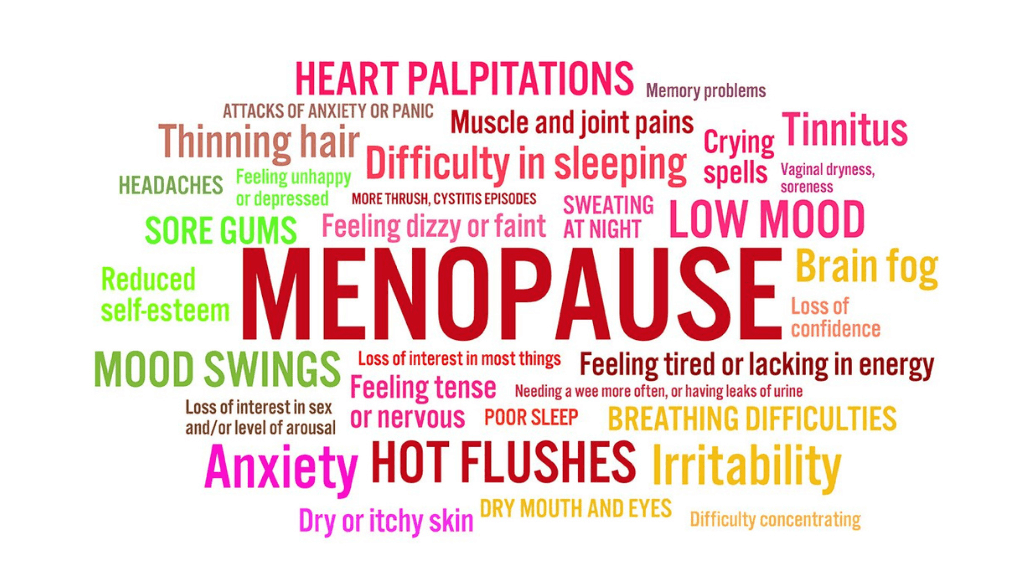
Across her lifetime, a woman endures more than three decades of cyclic changes, meeting each month’s demands with unwavering resilience. Yet, even when menstruation ceases, comfort is not guaranteed. Menopause ushers in its own constellation of challenges—bone fragility, visual strain, sleep disturbances, mood fluctuations, hot flashes, and moments of deep emotional weariness. Far from a period of decline, however, this transition holds the potential for renewal. By embracing structured, mindful fitness routines, women over forty-five can reclaim vitality, strengthen their bodies, and anchor their spirits with renewed confidence. This article presents ten carefully tailored menopause-focused fitness routines designed to support energy, stability and well-being during this profound and transformative stage.
A Personal Glimpse Into the Trials and Triumphs of Menopause
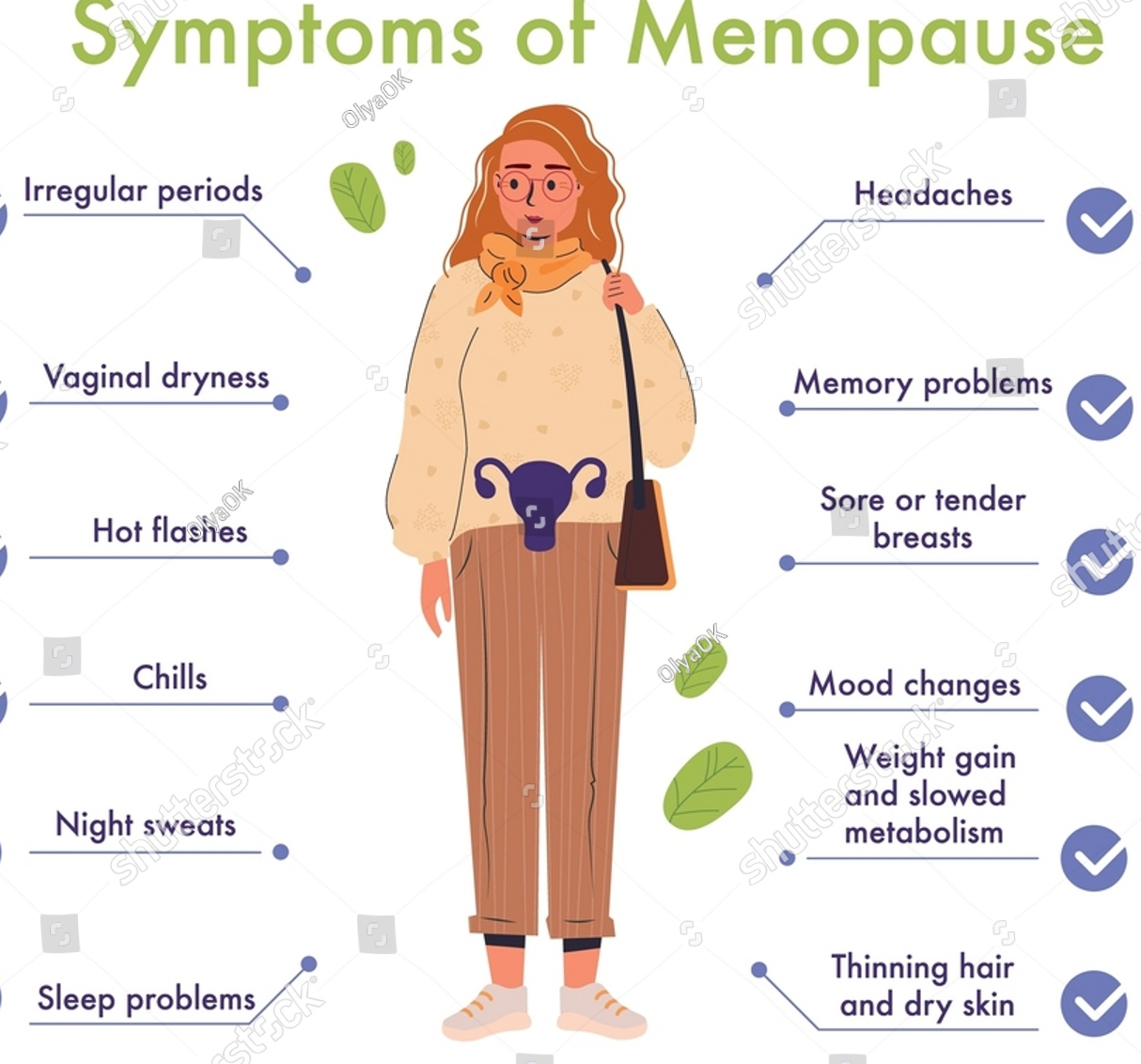
Drawing from my own experience, I have watched my mother navigate the many burdens of menopause—sudden sweating, chilling spells, bone fragility, memory slips, and a host of other troubling changes. With a scientific lens, I recognize how these symptoms can shape long-term health. Out of both concern and curiosity, I set out to design a simple, evidence-informed daily routine to support women through this transition. I am not a nutritionist or clinician, but I sought to gather essential, practical steps that can gently strengthen overall well-being in everyday life.
“A Science-Guided Routine for Postmenopausal Health”
1. Begin the Day Calmly
To begin with, a slow and mindful awakening sets the tone for the hours ahead. Rather than rushing into activity, a composed start gently tempers early-morning cortisol surges. Research consistently indicates that cortisol imbalance may intensify anxiety, hot flashes, and fluctuations in blood pressure. Therefore, cultivating calm at dawn serves as a quiet shield—protecting emotional equilibrium and preparing the body for the day’s demands.
2. Drink Warm Water
Following this gentle start, drinking warm water acts as a subtle internal awakening. Not only does it promote hydration, but it also stimulates digestion and eases bloating. Long revered in traditional healing systems, this practice now finds support in modern science, which associates morning hydration with improved metabolic efficiency and enhanced gut motility.
3. Spend a Few Minutes in Natural Sunlight
Thereafter, stepping briefly into natural sunlight offers profound physiological benefits. Sun exposure initiates Vitamin D synthesis in the skin—a nutrient crucial for bone health, immune strength, and emotional resilience. Since Vitamin D deficiency is closely linked to osteoporosis, mood disturbances, and weakened immunity after menopause, this small ritual quietly supports hormonal harmony, circadian rhythm, and skeletal integrity.
4. Perform Gentle Stretching, Yoga, or Breathing Exercises
Subsequently, gentle movement—whether through stretching, yoga, or mindful breathing—helps the body transition smoothly into activity. These practices improve flexibility, reduce joint stiffness, and ease hot flashes. Moreover, scientific studies emphasize their role in activating the parasympathetic nervous system, thereby lowering stress, expanding lung capacity, and fostering emotional steadiness.
5. Consume a Balanced, Protein-Rich Breakfast
In continuation, a nourishing breakfast anchors energy levels for the day. Protein, in particular, becomes essential after the age of forty, as muscle mass naturally declines. A balanced morning meal stabilizes blood sugar, curbs mid-day fatigue, and supports healthy weight management—key pillars in reducing postmenopausal metabolic risk.
6. Take Doctor-Recommended Supplements
At this stage, attention must turn inward, toward micronutrient support. Calcium, Vitamin D3, Omega-3 fatty acids, and Vitamin B12 are often necessary to address age-related deficiencies. When taken under medical guidance, these supplements safeguard bone density, enhance nerve function, and fortify immune defences, thereby supporting long-term vitality.
7. Engage in a Daily Walk or Light Cardio Activity
As the day progresses, incorporating movement through walking or light cardio becomes invaluable. Such activity strengthens the heart, regulates body temperature, and diminishes the intensity of hot flashes. Furthermore, aerobic exercise improves insulin sensitivity, lowers cholesterol, and elevates mood through the natural release of endorphins.
8. Choose a Wholesome Lunch
Midday nourishment, therefore, should be intentional and balanced. A meal rich in vegetables, whole grains, and lean protein sustains energy without inducing lethargy. Scientific evidence increasingly underscores the role of nutrient-dense diets in reducing inflammation—a root contributor to joint discomfort, metabolic disorders, and age-related cognitive decline.
9. Take a Short Rest or Mindful Pause
Thereafter, allowing a brief pause becomes not a luxury but a necessity. A moment of mindful rest restores mental clarity and softens accumulated stress. Such intervals enhance memory retention and reduce cognitive overload—an often-overlooked concern during postmenopause due to hormonal fluctuations.
10. Engage in Mentally Stimulating Activities
In the same spirit of preservation, mental engagement must not be neglected. Reading, solving puzzles, or learning new skills actively builds cognitive reserve. Research strongly suggests that consistent intellectual stimulation delays memory decline and supports neuroplasticity well into later life.
11. Include Light Strength Training or Resistance Exercises
As evening approaches, incorporating light strength or resistance training offers enduring benefits. With declining estrogen levels, the risk of osteoporosis rises sharply. Resistance exercises counteract this by stimulating bone remodelling, preserving muscle mass, and enhancing joint stability—quietly fortifying the body against fragility.
12. Maintain Hydration and Use Herbal Teas if Desired
Throughout the day, and especially into the evening, sustained hydration supports thermoregulation and may ease hot flashes. Herbal teas such as chamomile or tulsi can be soothing companions, offering antioxidant protection and gentle calming effects, though individual responses may vary.
13. Prefer a Light Dinner
Consequently, the evening meal should be light and easily digestible. Lighter dinners reduce nocturnal hot flashes, prevent acid reflux, and promote restorative sleep. Research consistently shows that heavy late meals interfere with melatonin secretion and disrupt deep sleep cycles.
14. Limit Screen Time Before Bed
Finally, as the day closes, reducing screen exposure becomes essential. Artificial light suppresses melatonin—the hormone that governs sleep-wake rhythms. By limiting screens before bedtime, the body is allowed to return to its natural circadian cadence, improving sleep quality that is so often disturbed after menopause.
15. Follow a Relaxation Ritual
Simple rituals such as warm foot baths, deep breathing, or reflective journaling lower sympathetic nervous system activity. These practices calm the mind, prepare the body for rest, and improve emotional resilience.
16. Maintain a Consistent Sleep Schedule
A stable sleep-wake rhythm regulates mood, supports memory, and enhances hormonal harmony. Regular sleep also helps reduce night sweats and supports the body’s natural healing processes.
Weekly Scientific Priorities
17. Strength Training Two to Three Times a Week
In addition to daily movement, structured strength training two to three times a week becomes essential. This practice directly counters bone thinning and helps preserve metabolic rate—two physiological shifts that demand particular attention after menopause. Moreover, by reinforcing muscular strength, it enhances balance and reduces the risk of fractures, supporting long-term independence.
18. Consume Calcium- and Iron-Rich Foods
Alongside physical activity, nutrition must remain deliberate and restorative. Calcium-rich foods strengthen bones, while iron supports efficient oxygen transport throughout the body. Consequently, adequate intake of these nutrients reduces persistent fatigue and guards against anaemia, a condition that can quietly erode vitality if overlooked.
19. Practice Stress-Relief Activities
Equally important, emotional regulation deserves mindful care. Through meditation, traditional prayers, or conscious breathing, stress hormones such as cortisol are gently regulated. Over time, these practices reduce cardiovascular strain, stabilise mood, and foster emotional resilience—qualities that grow increasingly valuable in this life phase.
20. Maintain Social Connections
Beyond individual practices, human connection plays a profound role in well-being. Regular social interaction has been shown to reduce the risk of depression, strengthen cognitive health, and support longevity. Thus, maintaining meaningful relationships nourishes not only the heart but also the mind, anchoring women in shared purpose and belonging.
21. Attend Regular Medical Checkups
Finally, consistent medical monitoring brings all efforts into balance. Routine assessments of bone density, thyroid function, cholesterol, and blood pressure enable early detection of postmenopausal conditions. In this way, prevention becomes proactive rather than reactive—honouring both modern medicine and prudent foresight.
Closing Reflection
Ultimately, a woman’s life after menopause is not a descent, but a profound transformation—a quiet turning of seasons marked by wisdom rather than loss. When daily habits are guided by scientific awareness and grounded in time-honoured traditions, this stage unfolds with dignity and strength. Indeed, each intentional choice becomes an act of self-preservation, a gentle assertion of wellness, and a living testament to resilience, continuity, and grace.
Chat
For perimenopause guide visit
https://shebreaksbarriers.org/wp-admin/post.php?post=147&action=edit
It was really helpful